
The Honest Answer Up Front
Here is the part most homeowners never find out: the CleanBC Better Homes program pays two different amounts for the same job. Same heat pump, same contractor, same assessment, same paperwork. If your household income is under the program's threshold, you file through the income-qualified stream and the rebates are larger, often dramatically so. The catch is that the qualification is based on your previous tax year's income and household size, verified against your CRA Notice of Assessment, and most people assume they do not qualify without ever checking the number.
The stack matters more than any single program. On an eligible heat pump conversion, CleanBC plus BC Hydro plus FortisBC plus a municipal top-up can reach $16,000 combined, and income-qualified households sit at the top of that range. Limited-time bonuses of up to $1,000 appear in some seasons. On our price list, a single-zone ductless heat pump installs for $3,800 to $5,500 and a ducted cold-climate system for $6,500 to $14,000, which tells you what the stack can do to the net number: at the income-qualified end, a modest project can land close to fully covered.
The one rule that outranks everything else in this guide: the pre-retrofit energy assessment must happen before you sign a contract or buy equipment. Start work out of sequence and the rebate dies, and no contractor can revive it. We verify every program at booking, handle the CleanBC, BC Hydro, FortisBC and municipal submissions on eligible jobs, and quote the net number in writing.
0 jobs since 2010
Every rebate lesson in this guide was learned on a real Metro Vancouver kitchen table.
Same job, bigger rebates
The income-qualified stream pays more for identical equipment and identical workmanship.
Up to $16,000 combined
The full CleanBC, BC Hydro, FortisBC and municipal stack on eligible installs. Amounts change; we verify at booking.
Assessment first, always
The pre-retrofit energy assessment precedes any contract or purchase, or the rebate is gone.
Bottom line
Check the income threshold before you assume you do not qualify. Book the pre-retrofit assessment before you buy anything. And never accept a rebate number quoted from memory, because these programs change faster than the internet updates.
What the Income-Qualified Stream Is
CleanBC Better Homes is the province's retrofit rebate program, and it deliberately runs two streams side by side. The standard stream is open to every eligible homeowner. The income-qualified stream exists because energy poverty is real in this province: the households that would benefit most from a $14,000 heat pump conversion are often the ones least able to finance it, especially in older baseboard-heated housing stock across Surrey, New Westminster and the North Shore. So the program pays those households more for the same upgrade, funded through the same application machinery.
The equipment, the contractor licensing requirements, the energy assessments and the timeline are identical between streams. The only differences are the rebate size and the income verification step. That symmetry is worth internalizing: you are not applying for a different program or settling for different equipment. You are the same customer, buying the same Carrier or Daikin cold-climate heat pump from the same Red Seal crew, and the program simply pays a bigger share of your invoice.
Why we keep repeating that we verify at booking: program cycles change, thresholds adjust, bonus windows open and close, and funding pools exhaust. A guide published today, including this one, can only teach you the structure. The numbers have to be confirmed on the day you book, which is exactly what we do, in writing, as part of the quote. For the standard-stream side of the program, our CleanBC rebates 2026 guide is the companion read.
Do You Qualify
The test has three moving parts. First, household income: the combined income of every adult in the home from the previous tax year, established by the line 15000 amount on each person's CRA Notice of Assessment. Second, household size: the threshold rises with the number of people living in the home, so a family of five qualifies at a higher income than a single person. Third, the home itself: it generally must be your principal residence and an eligible building type, a house, duplex, rowhouse or similar, not a new construction project.
What trips people up is usually documentation rather than eligibility. If one adult in the household cannot locate their Notice of Assessment, the application stalls; the fix is a request through the CRA's online account, which is usually quick. Separated or recently divorced households should confirm whose income counts. Self-employed households sometimes assume they cannot qualify because their net income fluctuates; the program uses the assessed line 15000 figure, not gross revenue, so the answer is often better than expected.
We deliberately do not publish threshold numbers in this guide, because quoting a stale threshold is worse than quoting none. When you call, we check the current rules with you, tell you which documents to gather, and the eligibility answer is usually settled in one conversation. If you do not qualify, the standard stream plus the utility layers still applies, and the math in chapter 8 changes less than you would think.
What Upgrades Qualify
The upgrade menu is broader than most people expect, and the heat pump is the headline for a reason: converting from fossil-fuel heating, gas, oil or propane, to an eligible heat pump is where the largest money sits, and it is the conversion the climate policy is actually trying to buy. Here is the menu with our install ranges where we price them.
| Upgrade | Our installed range (CAD) | Rebate reality |
|---|---|---|
| Heat pump conversion from fossil fuel | $6,500-$14,000 ducted | The headline event; biggest rebates, biggest stack potential |
| Ductless single-zone heat pump | $3,800-$5,500 | Smaller project, smaller invoice, strong net effect after rebates |
| Insulation and air sealing | quoted per project | Qualifies; often pairs with the heat pump in one assessment cycle |
| Windows and doors to high efficiency | $650-$950/unit double-pane | Eligible upgrades must meet program specs; our windows team installs to them |
| Heat pump water heater | $2,500-$4,500 tankless range for comparison | Frequently rides along; the electrical work often already exists |
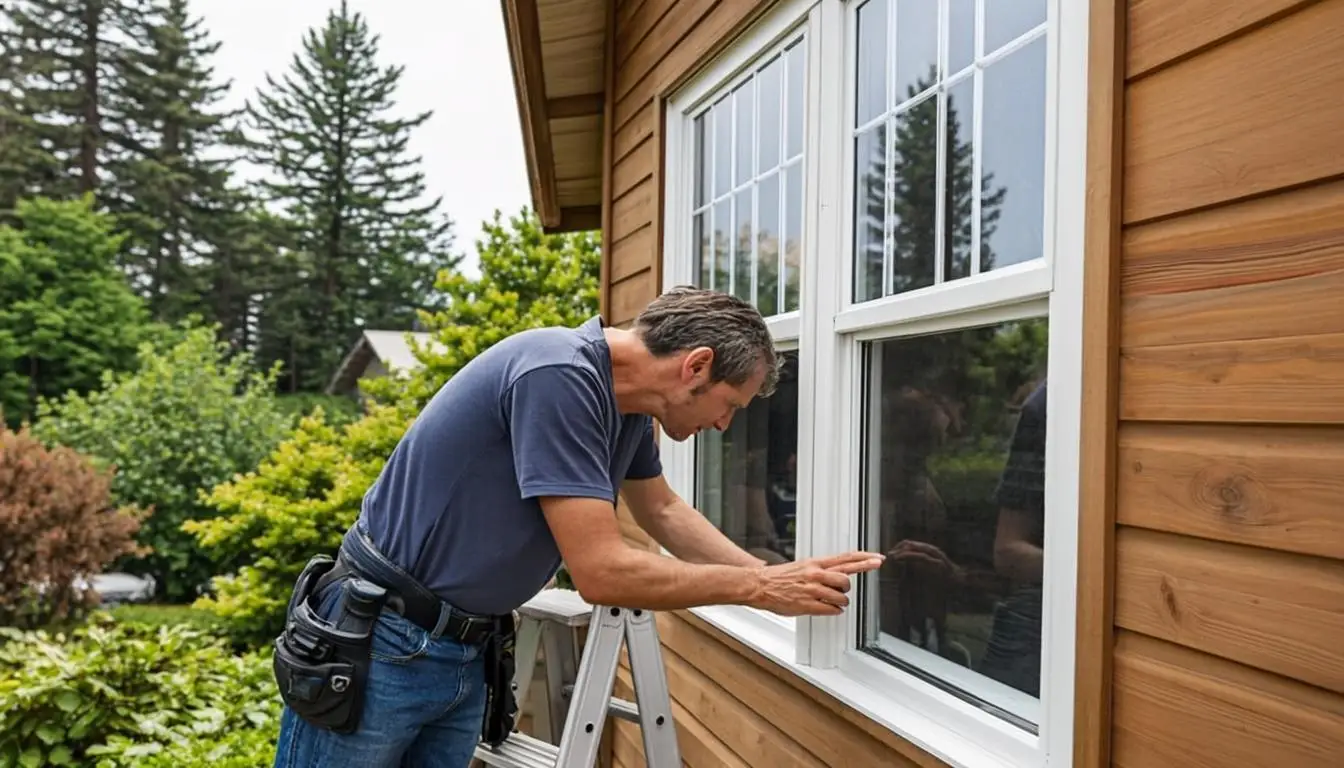
Two fine-print items that decide eligibility on the equipment side: the heat pump must meet the program's efficiency and cold-climate specifications, which the major manufacturers' current cold-climate lineups do, and it must be installed by a licensed contractor with the permits pulled, which is exactly how every job leaves our shop. A cheap non-compliant unit installed without a permit earns zero rebate and a warranty headache, which is the most expensive kind of bargain in this business. Our windows and doors service and water heater service cover those upgrades in depth.
The Assessment-First Rule
The home energy assessment is the backbone of every CleanBC claim. A qualified energy advisor, an independent professional, not us, spends a few hours measuring your home's envelope, its insulation levels, its airtightness with a blower door, its heating system, and produces an EnerGuide report. That report is what the rebate programs use to establish the before picture. After your upgrades are installed, a second assessment verifies the after picture, and the delta between the two is what gets paid.

The sequencing rule is absolute: the pre-retrofit assessment comes before the contract and before the equipment purchase. Not before the install, before the purchase. We have watched a customer order a heat pump online on a Sunday to hold stock, watched the program decline the claim on Monday, and watched the entire discount evaporate over a technicality with a two-day shelf life. The advisor's schedule runs a week or two out in busy seasons, so the assessment is the first appointment in every rebate project we run, before the quote is even finalized.
Assessments carry their own fees, and several programs help offset them, which is part of the arithmetic we run at booking. The report you get is genuinely useful beyond the rebate: it is a prioritized map of your home's envelope, and it usually confirms or corrects what you assumed about your insulation. Homeowners who read theirs tend to spend their retrofit money more accurately, whatever they end up buying. The BC energy upgrades guide covers how to act on it.
Stacking the Money
The provincial rebate is the anchor, but it is not the whole stack. On an eligible heat pump conversion, up to four layers can combine: CleanBC as the base, a BC Hydro layer for electric-territory conditions, a FortisBC layer tied to your gas relationship, and a municipal top-up if your city is running one. Combined, the stack can reach $16,000, and limited-time bonuses of up to $1,000 appear in some seasons. Income-qualified households sit at the generous end of every provincial line in that sum.
Stacking is where sequencing rules and exclusions live, and it is why the check has to be done as a whole rather than line by line. Some utility offers exclude each other for the same measure; some municipal top-ups require the CleanBC application number first; funding pools exhaust first-come-first-served, which is how a program that existed in March is gone in May. Our municipal rebate guide covers the city-by-city layer, and the FortisBC HVAC rebates guide covers the gas-side layer. What no guide can do is freeze the amounts, which is why the verification happens at booking, every time, in writing.
Paperwork Done Right
A rebate claim is a paper trail, and the trail gets built correctly by starting it correctly. The file we hand you at quote time contains: the pre-retrofit EnerGuide report once the advisor files it, the itemized invoice with the program-required details spelled out, the permit numbers, equipment model and serial documentation, photographs of the installed equipment, and your income documents for the income-qualified submission. Every piece exists before the claim is filed, which is the only reason our claims get approved at the rate they do.
Who submits what: we prepare and submit the CleanBC, BC Hydro, FortisBC and municipal paperwork on eligible jobs as part of the work, at no extra charge, and you sign and provide the income documents. The rebate money is paid to you, the homeowner, which keeps the transaction clean and keeps your incentives aligned with ours. Payout timelines run weeks to a few months depending on the program and the season; we quote the net number with the timing attached, so your cash flow plan matches reality.
The unglamorous advice in this chapter matters more than any rebate table: keep the file. Warranty claims, insurance questions, a future sale, a future second upgrade, all of them get easier with an organized folder, and every one of them gets harder without it. We keep our copies; you should keep yours.
The Honest Math Example
Here is a realistic composite: a 1,800 square foot 1970s house in New Westminster, baseboard heated, modest insulation, household of four that clears the income-qualified threshold. The project: convert to a ducted cold-climate heat pump, seal the worst of the envelope leaks, and add a heat pump water heater while the electrician is already there.
| Line | Number | Note |
|---|---|---|
| Ducted cold-climate heat pump, installed | $6,500-$14,000 | From our price list; scope and electrical work move the number |
| CleanBC income-qualified stack | verified at booking | Largest single layer; up to $16,000 combined across all programs |
| Limited-time bonus, when offered | up to $1,000 | Seasonal windows; never guaranteed until booked |
| Operating shift, baseboards to heat pump | bill drop, case by case | We run it against your actual BC Hydro bills at quote time |
| Net position after the stack | a fraction of the invoice | In income-qualified cases, small projects can approach fully covered |
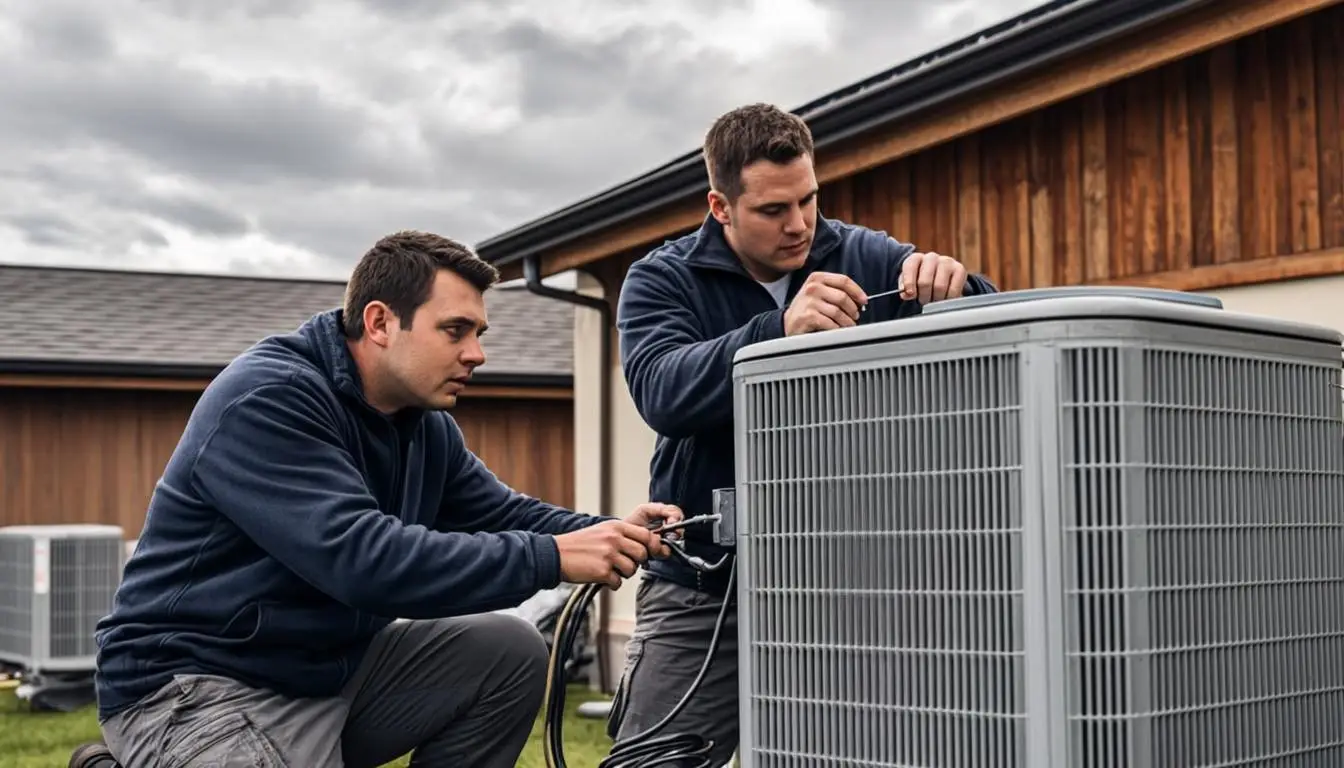
Notice what this example deliberately does not do: it does not invent a precise rebate dollar figure, because quoting one from a guide would be exactly the malpractice this article exists to prevent. What it does show is the shape of the decision. The invoice is real and comes off our published ranges. The stack is real and gets verified the day you book. The operating shift is real and gets run against your actual bills. When all three land on one page in writing, the decision makes itself, and that is the entire point of our quote process.
Bottom line
The income-qualified stream exists to make projects like this one happen. If the threshold question is the only thing between you and a heat pump, spend the ten minutes it takes to answer it with us on the phone.
Financing the Gap
Even a generous stack rarely covers one hundred percent on the larger projects, and the rebate arrives after the invoice, not at the till. That gap is what financing is for. We offer financing from 7.99 percent with approved credit, arranged before the work starts, so the project can proceed on the day the crew is available instead of the day the savings account catches up. Some households run financing for the gap month or two until the rebate cheque lands and then clear it; others prefer the fixed schedule. Both are fine; what matters is that the plan is made on purpose.
The order of operations we recommend: eligibility check and current program verification, then the pre-retrofit assessment booking, then the quote with the net number in writing, then financing if wanted, then the work, then the post-retrofit assessment, then the payouts. Every step exists for a reason, and the sequence is the cheapest insurance in the entire process. Details on the mechanics live on our financing page, and heat pump equipment guidance lives in the Vancouver heat pump guide.
Mistakes That Kill Rebates
These are the claims we could not save, in rough order of frequency. One: starting work, or buying equipment, before the pre-retrofit assessment and the eligible contract sequence. Two: using an unlicensed or unregistered installer, because the programs check, and an ineligible contractor voids the claim regardless of the equipment quality. Three: skipping the permit, because the claim requires it and so does your insurance. Four: buying equipment that misses the program's efficiency or cold-climate specification, usually because a deal looked good online.
Five: missing the post-retrofit assessment window, which is the quiet one, because people assume the job ends at the invoice. Six: income documents that do not match the application, a name inconsistency or a missing adult's Notice of Assessment, which stalls claims for months. Seven: budgeting on a rebate number from a friend's project last year, in a different city, under a different program cycle. Every one of these is avoidable, and none of them is complicated to avoid. The sequence in this guide, assessment first, verified numbers in writing, licensed contractor, permits pulled, is the whole defence.
The Cheat Sheet
The whole guide, compressed into the order of operations we actually run.
| Step | What happens |
|---|---|
| 1. Eligibility call | Income threshold checked against current rules, documents listed, ten minutes |
| 2. Pre-retrofit assessment | Booked before any contract or purchase; the EnerGuide baseline |
| 3. Written quote | Equipment, permits and the verified rebate stack, net number in writing |
| 4. Install and permits | Licensed crew, permitted work, 2-year workmanship warranty |
| 5. Post-retrofit assessment | Verifies the upgrades; do not let this window slip |
| 6. Payouts | We submit CleanBC, BC Hydro, FortisBC and municipal paperwork; cheques follow in weeks to a few months |
We serve 17 cities across Metro Vancouver, from heat pump installs in Surrey to Burnaby and every city between, with the same flat-rate quotes, the same Red Seal crews and the same rebate paperwork handled on every eligible job. The eligibility call is free, takes minutes, and is the only step that costs you nothing to start. 604-615-2212, or the form below.
Frequently Asked Questions
Services That Solve This Faster
Heat pump installation
The upgrade the income-qualified stream pays most for, with the paperwork handled end to end.
Financing and rebates
Financing from 7.99 percent with approved credit, quoted net of the rebate stack we verify for you.
Heat pumps in Surrey
Baseboard-heated Surrey homes are the classic conversion story; the rebate math usually decides it.
Water heater service
Heat pump water heaters often ride along with the same rebate package and electrical work.
Related Guides From Our Team
CleanBC rebates in 2026 — the full program walkthrough, standard stream included.
Municipal heat pump rebates in Metro Vancouver — the city-by-city layer that stacks on top of CleanBC.
FortisBC rebates for HVAC — the gas-side layer of the stack, explained.
The Vancouver heat pump guide — what to actually buy, once the rebate question is answered.
Energy-efficient upgrades for BC homes — the full retrofit menu ranked honestly, rebates included.
Red Seal certified, licensed gas fitters (BC-PL-2019-4421), $2M insured, 15-plus years on the tools, 12,000-plus jobs across Metro Vancouver since 2010, 4.9 stars from verified reviews. We wrote this guide because Metro Vancouver homeowners deserve the numbers, the code references and the honest trade-offs before anyone touches a wrench or a wallet.
More about our team →Talk to a Real Technician About This Today
Book a visit with a Red Seal technician: a real diagnostic, a written flat-rate quote before any work starts, honest repair-versus-replace math, CleanBC rebate paperwork handled and financing from 7.99 percent with approved credit. Emergencies answered 24/7 at 604-615-2212.
Do not start work before the paperwork.
The pre-retrofit assessment has to happen before a contract or equipment purchase, or the rebate usually dies. We verify every program at booking, handle the CleanBC, BC Hydro, FortisBC and municipal submissions, and quote you the net number after the stack, with financing from 7.99 percent on approved credit.
Call 604-615-2212 WhatsApp Us