The Honest Answer Up Front
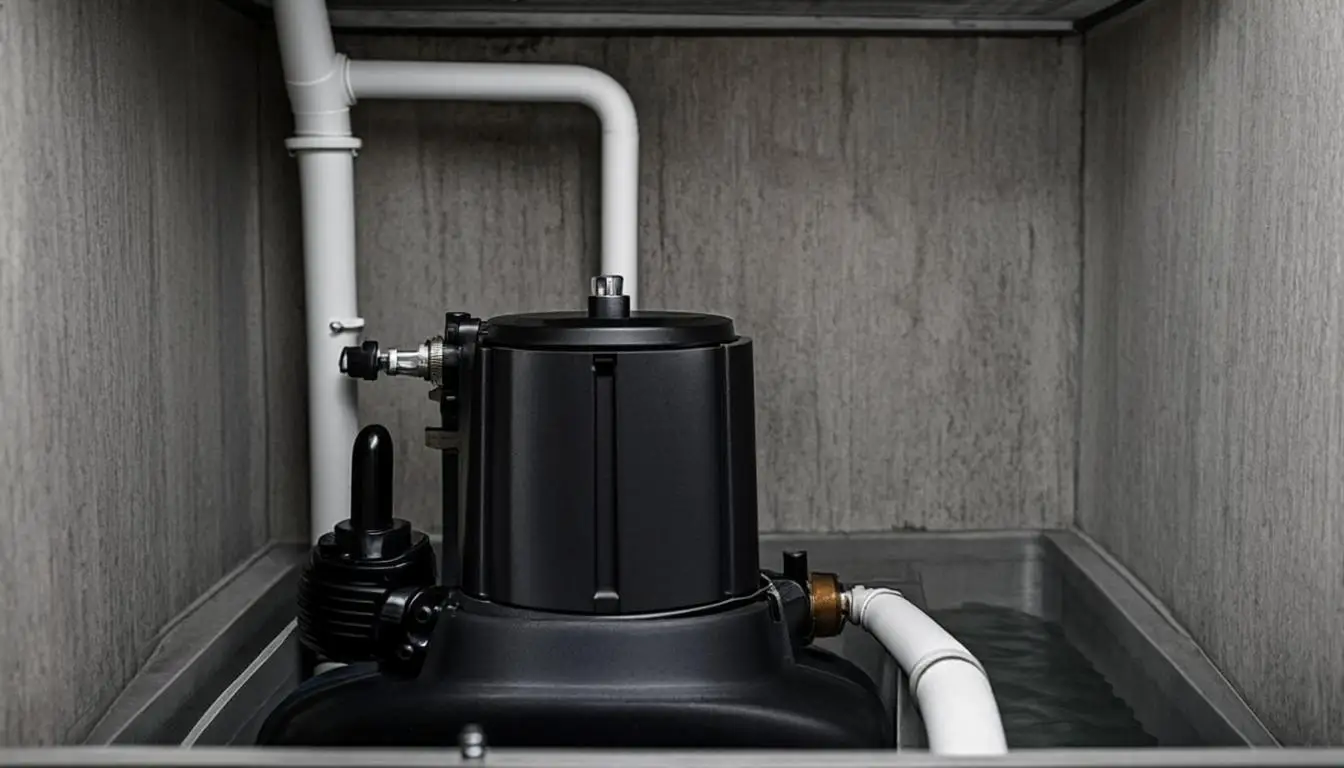
Sump pump installation in BC costs $650 to $1,400 installed. The low end of that range is a like-for-like pump swap in an existing, well-formed pit: the pump, a check valve, discharge connection, float setup and a fill-and-cycle test, done in a one-to-two hour visit. The top end is a full project: cutting a new pit in a concrete slab, setting the basin in gravel, connecting perimeter drainage, routing new discharge and installing a premium submersible pump under a sealed lid.
Why the range is honest rather than negotiable: the pit is the price. Homes built with sump pits and weeping tile are a swap; homes that need a pit created are a construction project with plumbing attached. Between those sit the middle cases — an existing pit with no pump, a serviceable pit with a failed discharge line, or a backup system being added to a working pump. Chapter 5 breaks down which situation you are in and what each costs.
The context that makes this money well considered: Metro Vancouver takes well over a metre of rain a year, concentrated into a wet season that runs roughly October through March, and the November 2021 atmospheric river is still the reference event for what a lowland lot can absorb in three days. A working sump pump is the cheapest piece of flood protection a basement can own. The plumbing services hub covers the full install list, and the first-60-minutes flood playbook is the companion read for what to do when water is already coming in.
0 installed range
Pump swap at the bottom, new pit and premium submersible at the top; flat-rate, in writing, tested before we leave.
0 pump lifespan
Duty cycle decides the real number; switches and check valves are the cheap first failures.
0 jobs since 2010
Installs, flood response and prevention work across Metro Vancouver, Red Seal crews.
0 star rated
Verified reviews across 17 cities, with a 2-year workmanship warranty behind every install.
Does Your Basement Need One?
First, the mechanics, because they explain the diagnosis. A sump pump sits in a basin at the lowest point of the basement floor. Perimeter drainage — the weeping tile or drain rock around the foundation — collects water that heads for the footing and delivers it to that basin, and the pump lifts it outside, away from the house. It is not a sewage device and not a dehumidifier; it is the exit pump for ground water that would otherwise push up through the slab or the wall-floor joint.
The honest indicators that you need one: a pit that already exists and gathers water after rain; a basement that has taken water, or smells damp each November; a lot graded flat or, worse, toward the house; a location on lowland near creeks, the Serpentine lowlands, the Fraser floodplain edges or anywhere the water table sits high; and older or unknown perimeter drainage. Two or three of those together is the profile of a home that will eventually need a pump — the only question is whether it gets installed on a Tuesday or during a February emergency at flood-prone prices.
What a sump pump is not: a fix for sewer backup through floor drains and toilets — that is a backwater valve and drainage conversation — and not a substitute for gutters that actually carry water away. Chapter 9 covers the full stack honestly, because selling a pump to a house whose real problem is a downspout dumping at the foundation is the kind of thing that gives this trade a bad name.
What Is Inside the $650-$1,400
A sump pump quote is a short stack of components and one hour or one day of skilled labour, depending on the pit question. This is the anatomy, priced honestly.
| Component | What it does | The honest note |
|---|---|---|
| The pump | Moves the water; sized to the basin and lift height | Horsepower is marketing; lift capacity and switch quality decide |
| Check valve | Stops discharged water from falling back into the basin | Cheap insurance against double-cycling and switch wear |
| Basin and lid | Collects water; sealed lids block soil gases and moisture | A sealed lid matters more than most homeowners expect |
| Discharge piping | Carries water out and away from the foundation | Routed to storm or safe surface, never the sanitary sewer |
| Electrical | A protected, ideally dedicated outlet at the basin | Shared circuits are how pumps fail silently |
| Labour and testing | Set, connect, level, and prove it with a fill-and-cycle run | The test is the difference between installed and working |
Two honest notes on the pump itself. First, brand-tier matters less than switch type and float design, because the switch is what fails first on almost every pump ever made. Second, the lid: a sealed, gasketed lid with a one-way vent keeps soil moisture and gases out of the basement air, and it costs a fraction of what the comfort difference is worth. Every quote we write includes both, specified by name.
Submersible, Pedestal and Battery Backup
The equipment conversation is really three products. The submersible sits at the bottom of the basin under the lid: quiet, hidden, better for finished basements, usually the longest-lived choice, and the default in our installs. The pedestal keeps its motor on a column above the water: cheaper, easy to service from the top, louder, and the honest answer where a basin is narrow, shallow or awkward. Both move water; the difference is noise, access and fit.
| Type | Strengths | Trade-offs |
|---|---|---|
| Submersible | Quiet, hidden, sealed motor, finished-basement friendly | Slightly higher price; service means pulling the pump |
| Pedestal | Cheapest, motor above water, easy top access | Louder, visible, suits narrow or shallow basins |
| Battery backup system | Runs through power outages; alarm on takeover | Adds cost and a battery that is a consumable |
| Backup-capable primary | One basin, primary plus backup on a bracket | Needs basin diameter to fit both; worth planning |
The honest sizing note: the number on the box is horsepower, but what matters is lift — how high the pump must push water to reach the discharge point — and capacity at that lift. A pump oversized for a small basin short-cycles itself to death, and a pump undersized for the lift runs without winning. We size from the basin depth and the actual discharge run, not from the shelf.
New Pit vs Pump Swap
This is the chapter that decides where in the $650-to-$1,400 range you land. A pump swap — existing basin, serviceable discharge, protected outlet nearby — is the low end and a one-to-two hour visit. A new basin in an existing rough opening sits mid-range. Cutting a brand-new pit in a concrete slab is the top end: layout of the lowest point, breaking and removing concrete, excavation, gravel bed, basin set, tie-in to perimeter drainage where it exists, new discharge through the rim or under the slab, and concrete patching and cure time.
What moves the new-pit number: slab thickness and reinforcement, the distance to a sensible discharge exit, whether perimeter drainage exists to tie into (on older homes it sometimes does not, and the honest conversation becomes about the drainage as well as the pump), and the electrical run to the basin. None of it is exotic; all of it is real work with real tools, which is why the pit is the price.
The upgrade-that-pays from day one, whichever scenario you are in: add the battery backup bracket during the installation rather than after. Doing it later means a second visit and sometimes a second basin; doing it now is a line item on the install you are already paying for. It is the single best-value decision in this entire guide.
Backup Power: When Outages and Storms Arrive Together
Here is the uncomfortable physics of Metro Vancouver weather: the storms that fill your sump are the same storms that bring down trees and power lines. A pump on a dead circuit during a windstorm is a bucket with ambition. That correlation — peak demand meeting peak outage risk — is the entire argument for backup power on any home where the sump actually cycles in the wet season.
The standard answer is a battery backup system: a dedicated deep-cycle battery, a charger and controller, and a secondary pump mounted above the primary. When the power drops or the primary fails, the backup takes over and an alarm tells the house it happened — that alarm matters, because silent failure is the failure mode that costs a finished basement. The battery is a consumable with a service life of a few years, and testing it is part of the annual maintenance list in Chapter 8.

Bottom line
Outages and sump demand arrive on the same wind. If your pit cycles through the wet season, a battery backup with an alarm is not an upgrade; it is the part of the system that works during the storm that knocks out the part that usually does.
Install Day and the Discharge Rules
A swap visit is short: isolate the power, pull the old pump, check the basin and clean it, set the new pump level, replace the check valve, confirm the float travel, run the fill test. A new-pit project is a day-plus: cutting, excavating, setting, connecting, routing discharge, and patching concrete that needs its cure time before the floor takes traffic again. Either way, we leave with the answer proven: water in, pump on, water out, pump off.
The rules that govern the work: discharge goes to a storm drain connection or a safe surface point away from the foundation — never into the sanitary sewer, which municipal bylaws across Metro Vancouver prohibit because pumping clean ground water into the wastewater system overwhelms treatment capacity exactly when storms peak. The line exits well away from the foundation, buried or insulated against freeze in an outflow cold snap, because a discharge line that freezes in January turns a working pump into a very confident fountain in a basin.
On permits: a like-for-like pump swap generally needs none; a new pit, foundation penetrations or new discharge generally does, and where it applies we take it out as part of the job. It is worth asking your insurer about flood-prevention documentation once the work is done, too — an invoice and photos of a properly installed system with battery backup are the kind of file that answers questions before they are asked.
Maintenance and Lifespan
A quality sump pump serves roughly 7 to 10 years, and the duty cycle writes the real number: a pump that cycles all winter on a lowland lot is a pump working double shifts. The honest maintenance schedule is small enough to be inexcusable to skip. Quarterly, pour a bucket of water into the basin and watch the float cycle the pump on and off — this one test catches most failure modes before they matter. Annually, pull the pump, rinse the silt from the basin, check the check valve and the discharge exit, and test the backup battery while you are there.
The failure order on almost every pump is switches first, check valves second, motors last — which is good news, because the first two are inexpensive repairs and the motor is the one that ends the service life. The pattern to avoid is the ten-year-old pump that has never been tested discovering its retirement during the first week of November. Replace on schedule, not on failure; the difference is a planned line item versus a wet carpet with an emergency premium attached.
One winter habit worth adopting regardless of pump age: before the wet season each October, walk the discharge line and make sure it is clear, connected and pointed away from the house, and check that gutters and downspouts are doing the same. The pre-winter drain maintenance guide and the winter prep checklist cover the rest of the October list, and ten minutes of it protects the machine doing the heavy lifting under the floor.
The Full Flood-Prevention Stack
A sump pump stops one specific water path: ground water rising toward and through the slab. That path is the most common one in Metro Vancouver basements, but it is not the only one, and the honest flood strategy is a stack, not a single appliance. Water coming up through floor drains and fixtures during heavy rain is sewer backup, and the answer there is a backwater valve. Water at the wall-floor joint can be perimeter drainage, grading or both. Water tracking down a foundation wall is gutters, downspouts and the soil slope away from the house.
The order we recommend spending in, because each layer protects the next: clean gutters and extended downspouts first — the cheapest intervention in the entire stack; grading that sheds water away second; the sump pump third, because it handles what the first two cannot; and a backwater valve on homes where municipal storm surges have shown up in fixtures. The 2021 atmospheric river is the event everyone in this region prices risk against now, and homes that had the full stack came through it measurably better than homes that had any single piece missing.
Insurance context worth knowing: policies differ on ground water versus sewer backup, and flood mitigation documentation is increasingly part of the conversation with underwriters. An invoice showing a properly installed, permitted sump system with battery backup sits well in that file. If you are mapping your own home's risk, our teams serve the whole region — the Langley plumber and Surrey plumber pages cover two of the most flood-exposed geographies, and the service areas list has all 17.
How to Get a Fair Sump Pump Quote
A sump pump quote should answer five questions in writing: what pump (brand, model and switch type), what basin work is included, where the discharge goes and how it is protected, what electrical work is included, and what warranty stands behind the install. The answers we give: a named submersible by default, basin prep and sealed lid included, discharge routed to bylaw with freeze protection, an electrical check on every job, and our 2-year workmanship warranty alongside the manufacturer coverage.
The red flags are consistent: a pump quoted by horsepower with no mention of lift, a quote that never mentions where the water goes, no test before the crew leaves, and any reluctance to put the discharge routing in writing. Sump installs are also a favourite of the pressure sale after a heavy rain event — a legitimate sense of urgency exists, but a company that will not let you take a day to compare quotes is telling you what the second quote would have shown. The hidden leak detection guide and the 2026 plumber cost guide give you standard rates to compare against any number you are handed.
The Sump Pump Budget Cheat Sheet
Find your situation, read the honest number, and remember that every install is tested with a fill-and-cycle run before the crew leaves.
| Your situation | Honest 2026 number | Watch for |
|---|---|---|
| Pump swap, existing pit | $650 end of the range | Check valve replaced in the same visit; fill test before leaving |
| Pit exists, no pump installed | Mid-range | Basin condition and discharge routing decide the number |
| New pit cut in the slab | $1,400 end of the range | Concrete, gravel, basin, drainage tie-in and discharge |
| Add battery backup | Quoted with the install | Cheaper on install day than as a second visit; alarm included |
| Pump older than 10 years | Replace on schedule | Switches fail first; a planned swap beats a November failure |
| Basement flooding right now | 24/7 line first | 604-615-2212; stop the water, then install the prevention |
The one-sentence version of this guide: $650 to $1,400 installed with the pit deciding most of it, battery backup worth it on any pit that cycles, discharge to storm never to sewer, and the cheapest basement insurance in this climate is ten minutes of maintenance a year. For a walkthrough on your basement, the form below reaches a Red Seal technician, and 604-615-2212 answers 24/7.
Frequently Asked Questions
Services That Solve This Faster
Plumbing Services
Sump installs, basin work and flood-prevention plumbing across Metro Vancouver.
Plumber Langley
Sump pump installs and flood response for Langley's lowland lots and high water tables.
Plumber Surrey
The same install model across Surrey, from the Serpentine lowlands to Panorama Ridge.
24/7 Emergency Service
Flooding right now? The 24/7 line answers around the clock, with a flat $150 after-hours premium.
Related Guides From Our Team
Burst Pipe: The First 60 Minutes — the shutoff and triage playbook for the moment water is already coming in.
How to Detect Hidden Water Leaks — finding the slow failures that weaken a foundation long before a flood.
Drain Cleaning Before Winter — seasonal drainage maintenance that keeps the storm system working.
Winter Prep for Vancouver Homes — the October checklist for gutters, discharge lines and downspouts.
Plumber Cost in Vancouver 2026 — standard rates to sanity-check any sump or drainage quote.
Red Seal certified, licensed gas fitters (BC-PL-2019-4421), $2M insured, 15-plus years on the tools, 12,000-plus jobs across Metro Vancouver since 2010, 4.9 stars from verified reviews. We wrote this guide because Metro Vancouver homeowners deserve the numbers, the code references and the honest trade-offs before anyone touches a wrench or a wallet.
More about our team →Talk to a Real Technician About This Today
Book a visit with a Red Seal technician: a real diagnostic, a written flat-rate quote before any work starts, honest repair-versus-replace math, CleanBC rebate paperwork handled and financing from 7.99 percent with approved credit. Emergencies answered 24/7 at 604-615-2212.
Water in the basement?
If water is coming in right now, call the 24/7 line at 604-615-2212 first. For installations, a Red Seal technician assesses the pit, the drainage and the discharge, then quotes flat-rate: $650 to $1,400 installed, tested with a fill-and-cycle run, backed by our 2-year workmanship warranty.
Call 604-615-2212 WhatsApp Us