
The Honest Answer Up Front
We install and service both of these brands, so we will say what a one-brand shop cannot: there is no wrong choice between Trane and Carrier, and the differences that matter live inside each lineup, not between the logos. Both companies build furnaces that carry a 96 percent AFUE rating through a BC winter, both register around 10-year parts warranties when the paperwork is done at install, and both have excellent parts availability in this province. A two-stage 96 percent unit from either maker, sized by load calculation and commissioned with a combustion analyzer, will outperform a top-tier unit from either maker installed by rule of thumb.
The honest buying advice compressed: pick the shop first, the tier second, the badge last. Within that, our default recommendation for most Metro Vancouver gas-heated homes is the 96 percent two-stage tier, $5,500 to $9,000 installed, which is where efficiency, comfort and price intersect. The 80 percent single-stage tier from $3,800 exists for tight budgets and short-horizon ownership. Modulating equipment earns its premium in specific homes with comfort complaints, which chapter six describes honestly. Rebates on gas equipment run smaller than the heat-pump stack and change seasonally; we verify them at booking.
And one framing note before the detail: any furnace conversation in 2026 BC should include the heat-pump question, because cooling is now required in new construction, Step Code 3 pushes new multiplexes toward heat pumps, and the combined rebate stack can reach $16,000. A furnace may still be the right answer for your house; it should be the right answer after the question was asked.
0 AFUE
The efficiency floor we recommend from either brand; the tier the rebate programs are built around.
From 0
High-efficiency two-stage installs, to $9,000 depending on venting, condensate and duct condition.
0 written workmanship warranty
From us on every install, on top of manufacturer parts coverage we register at install.
0 jobs since 2010
Furnaces installed, serviced and rescued across 17 Metro Vancouver cities.
The Two Companies Behind the Logos
Carrier has the founding myth of the entire industry: Willis Carrier invented modern air conditioning in 1902, and the company that carries his name has been a pillar of North American HVAC ever since. Today Carrier Global is an enormous enterprise across residential, commercial and transport refrigeration, with a residential lineup that runs from builder-grade to premium modulating equipment. In BC, Carrier distribution is deep, dealer support is mature, and parts availability is a phone call and a same-day drive.
Trane, part of the same corporate family as American Standard, built its reputation on heavy-duty construction and the famous durability marketing, the units that survive absurd abuse in commercials. Behind the advertising is a genuinely conservative engineering culture: heavier cabinets, robust heat exchangers, and a product ladder that mirrors Carrier's almost tier for tier. Trane's BC distribution is equally strong, and its parts network is organized around independent dealers, which suits our service model fine.
What the symmetry means for you: both brands are priced within a few hundred dollars of each other at equivalent tiers, both carry comparable warranty structures, both are serviceable anywhere in Metro Vancouver within a day, and both will outlive the mortgage conversation that selected them if maintained. For readers who want the model-level view, our Trane brand page and Carrier brand page list the lines we carry, and our three-way Carrier, Lennox and Trane comparison widens the field.
Tiers and Installed Prices
Both brands sell three furnace tiers, and the tiers matter more than the brand. Here is the ladder with our flat-rate installed pricing across Metro Vancouver; both badges sit inside the same bands.
| Tier | Installed range (CAD) | Who it suits |
|---|---|---|
| 80 percent single-stage | from $3,800 | Tight budgets, short ownership horizons; no meaningful rebate eligibility |
| 96 percent two-stage | $5,500-$9,000 | Our default recommendation: efficiency, comfort and price intersect here |
| 97-98 percent modulating | top of the $9,000 band | Homes with real temperature swings and cold spots; a comfort purchase |
| Furnace repair (either brand) | $180-$650 | The first question before any replacement math; diagnostic $89-$129 credited |
| Annual tune-up | $129 | Every tier, every brand, every year |
What moves the number inside the band: venting rework, because a condensing furnace needs PVC or polypropylene side-wall venting and older homes with masonry chimneys need that path built; condensate drainage to a floor drain or pump; duct condition and static pressure; and access, the difference between an open Burnaby basement and a Vancouver Special crawl space. The line items behind these ranges are itemized in our Vancouver furnace cost guide.
Efficiency: The Real Numbers on Your Gas Bill
AFUE is the percentage of gas burned that becomes heat in your ducts. An 80 percent furnace sends 20 cents of every gas dollar up the chimney; a 96 percent unit sends 4 cents. The jump from 80 to 96 percent cuts gas consumed per unit of heat by about 17 percent: on a home spending $1,600 a year on gas for space heating, roughly $250 to $280 a year back, before the hot water share, which a furnace swap does not change. The further jump from 96 to 97 or 98 percent saves another rounding error; it is not why anyone should buy the modulating tier.
Two honesty notes. First, the savings depend on your actual gas spend, which depends on your envelope; the same furnace in a sealed new build and a drafty Vancouver Special produces different bills, which is why the envelope work in our energy upgrades guide belongs in the same conversation as the equipment. Second, a two-stage furnace spends most of its run time at low fire, where it is quieter, gentler and closer to its rated efficiency than a single-stage unit that is either fully on or fully off.
The brand conclusion on efficiency: at equivalent tiers, Trane and Carrier post AFUE ratings within a point of each other, and both hit 96 to 98 percent at the top. Any claimed efficiency winner between them is smaller than the variance introduced by duct sealing and thermostat habits. Buy the tier, commission it properly, and the gas bill follows.
Warranty Structures, Compared
Both makers structure warranties the same way: around 10 years of parts coverage on registered equipment, with extended heat exchanger terms on the higher tiers, and a registration deadline that the homeowner almost never meets and the installer should always handle. We register every unit we install, both brands, because an unregistered furnace can drop to a fraction of its coverage, and we have seen the sad arithmetic that produces in year eight.
Where the fine print differs between them: the heat exchanger terms by tier, the specifics of what counts as owner neglect, and the labour allowance on covered parts, which is where a warranty looks generous on paper and thin in practice. Those change with model years, so we verify the current terms at booking and print them on the quote rather than reciting them from memory. Treat any warranty description in an article, including this one, as the shape of the thing, not the current numbers.
The layer that matters more than the brand terms: workmanship coverage. Manufacturer warranties cover parts; nobody's factory warranty covers a brazed joint, a leaking condensate line or a duct connection that whistles. Our 2-year written workmanship warranty covers the installation on every job, whichever badge is on the cabinet, and it is printed on the quote before you sign. When a furnace fails early, the cause is usually in that second layer, which is why it should be in writing.
Noise and Comfort: Single, Two-Stage, Modulating
The comfort differences between furnace tiers are real and worth understanding before you pay for them. A single-stage furnace is a light switch: full blast or nothing, with temperature saw-toothing between cycles. A two-stage unit runs mostly at low fire, about 65 to 70 percent capacity, which means longer, gentler, quieter cycles, better mixing of the air in the room, and smaller temperature swings. A modulating furnace adjusts in small increments and can run at a trickle for hours, which flattens the swings almost completely.
Noise follows the same curve: a two-stage unit at low fire with an ECM variable-speed blower is dramatically quieter than any single-stage unit, and the modulating tier at minimum fire can be hard to identify from the living room. Both Trane and Carrier use ECM blowers through their mid and upper tiers, and the measured differences between the brands at equivalent tiers are small; the tier jump is audible in a way the brand jump is not.
The honest buying rule: if your current furnace leaves the house at 22 by the thermostat and 18 by the window seat, the two-stage tier fixes most of it and modulation fixes the rest. If the house is already even, the two-stage tier is the smart spend and the modulating premium buys a spec sheet. Homes with tall foyers, sunrooms or poorly-balanced duct runs are where modulation genuinely earns its price, and a zoning conversation sometimes beats an equipment upgrade entirely.
Parts and Service in BC
This is the least dramatic chapter and the most useful one: both brands are excellent to service in British Columbia. Carrier and Trane parts are stocked by multiple distributors in the Lower Mainland, igniters, flame sensors, blower motors, control boards, pressure switches, and a competent shop can have a common failure part on a van the same day in Vancouver, Burnaby, Surrey or the Tri-Cities. Warranty claims for both are processed through the local supply channel without drama when the installer files them properly.
Our position: we stock and service both, along with Lennox, Goodman, Rheem and Daikin, which means when we recommend one over the other for your house, the recommendation is not inventory pressure. What actually differentiates service speed is the shop: van stock, dispatch coverage across the 17 cities we serve, and a live 24/7 emergency line at 604-615-2212, with after-hours work at a flat, disclosed $150 premium. A furnace is a 15-to-20-year relationship with whoever maintains it; the brand is the furniture, the shop is the marriage.
For readers comparing the wider field, our 2026 furnace brand guide ranks all the major makers on the same criteria, tiers, warranty, parts and honest value, and the HVAC company checklist covers how to vet whichever shop you eventually call.
Costs and Rebates in 2026
The rebate picture for gas furnaces in 2026, stated honestly: the incentives are real but modest. High-efficiency gas equipment has historically attracted a few hundred dollars into the low thousands through the FortisBC side of the programs, and those amounts change seasonally, which is why we verify the live figures at booking rather than printing numbers that expire with the program cycle. Eligibility wants condensing equipment on the current list, licensed installation under permit, and invoices with model and serial numbers, all of which we produce as standard practice.
The number that reframes the whole decision: heat-pump conversions can reach $16,000 in combined support across CleanBC, BC Hydro, FortisBC and municipal programs, with limited-time bonuses of up to $1,000 in some seasons. That is why every furnace quote we write includes the hybrid math: a heat pump paired with the new furnace, where the stack can apply and the furnace becomes the cold-snap backup instead of the whole system. Sometimes the furnace-only answer still wins; it should win on paper, with the numbers shown.
Bottom line
A 96 percent two-stage furnace from Trane or Carrier at $5,500 to $9,000 installed is a fifteen-year purchase of quiet, even heat with a modest seasonal rebate attached. Before you sign for one, let us show you the hybrid numbers with the $16,000 stack on the table. Whichever way the math lands, the paperwork should show both.
Which Basement: Homes, Venting and Ducts
The house decides more than the badge does. Vancouver Specials and 1960s-70s ranchers usually have the furnace in an open basement with room to work and a masonry chimney that a condensing unit abandons in favour of side-wall PVC, which is the venting-rework line item in your quote. Character homes with cramped crawlspaces cost more to work in, full stop, and honest quotes say so in advance. Homes with ductwork in good condition land at the low end of the band; ducts that leak a third of their air into the crawlspace need sealing before any furnace, from anyone, will deliver its rated numbers.
Basement height matters for the coil conversation: if you are planning to add cooling later, the condensing coil adds height to the plenum, and low basement ceilings sometimes force a horizontal configuration or a decision now rather than later. With BC's building code requiring cooling in new construction and the 2021 heat dome fresh in the region's memory, we recommend at least keeping the cooling path open: a furnace cabinet and coil that accept an AC or heat pump later costs nothing extra now and saves a compatibility conversation in five years.
For local numbers by city, our Surrey furnace installation page and the heating services hub carry the same flat-rate structure with local scheduling detail.
Why the Install Beats the Badge
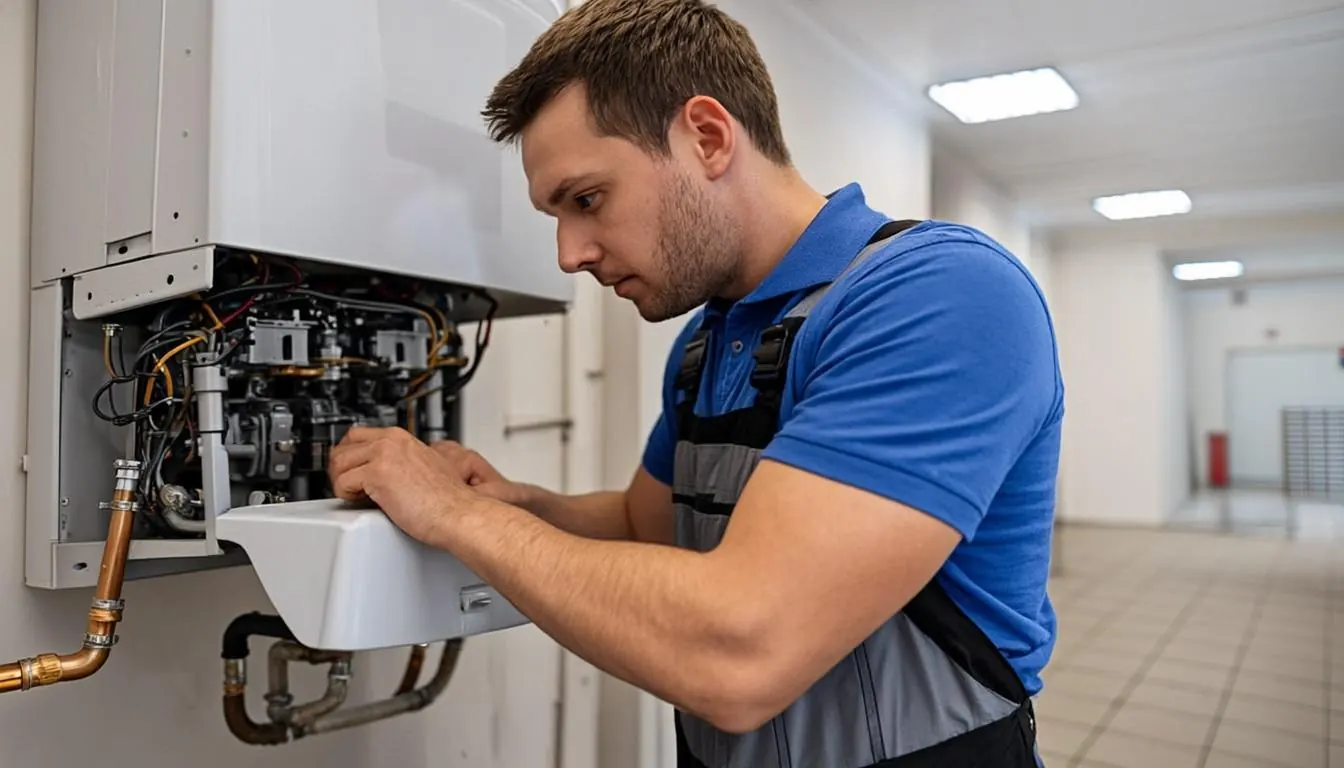
After 12,000-plus jobs, the pattern is unambiguous: the same furnace model performs brilliantly or terribly depending on the work around it. A proper installation starts with a load calculation, because oversizing is the original sin of this trade and half the furnaces in older Metro Vancouver homes are oversized relics replaced with equally oversized successors. It continues with duct evaluation and sealing, because a furnace pushing against high static pressure works like a runner breathing through a straw. It ends with commissioning: gas pressure set, temperature rise verified within the rating plate range, combustion analysis with a calibrated instrument, and the numbers recorded.
The permit is part of quality, not paperwork theatre: gas appliance work in BC requires a permit through the proper channels, and the inspection trail is what protects you at resale and at claim time. A shop that skips the permit to save a fee is telling you what else it skips. Ours pulls the permit on every job, with our licence number, BC-PL-2019-4421, on the paperwork.
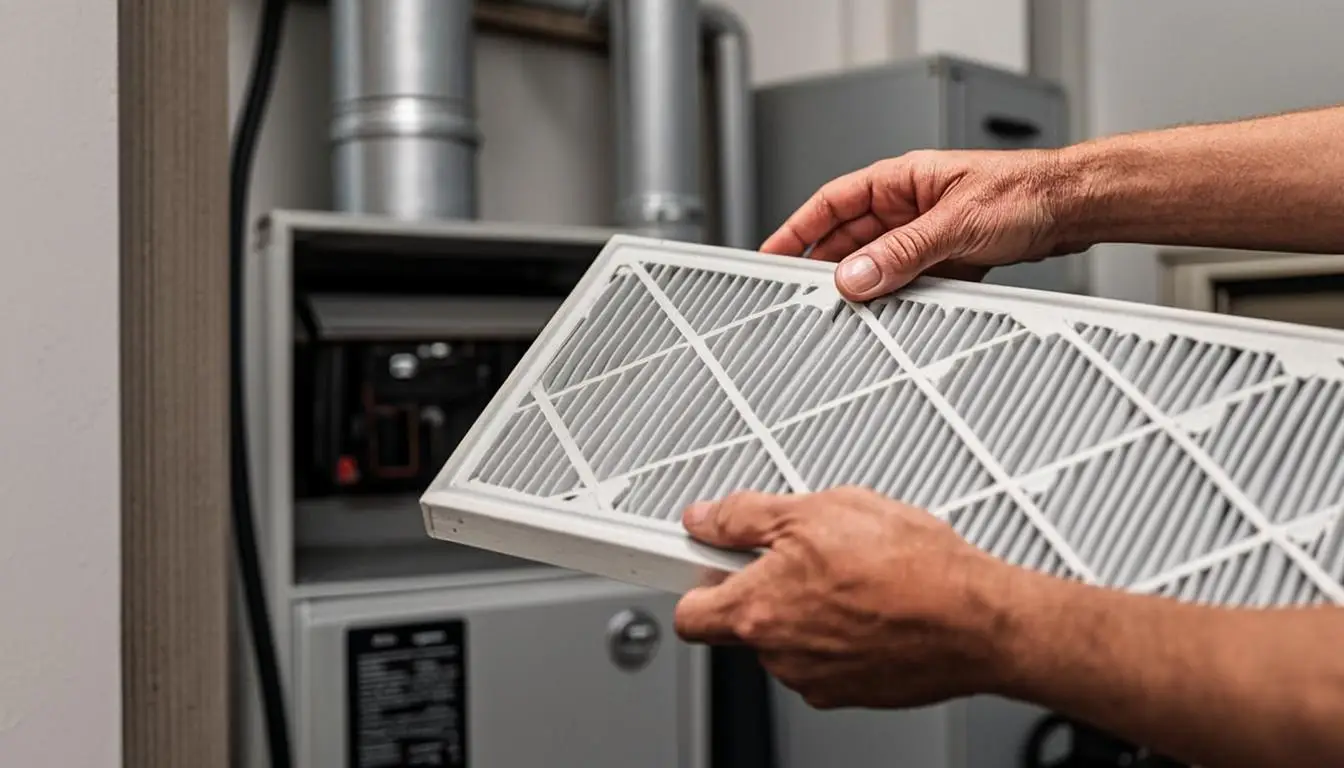
What premature furnace death looks like in service records: filters clogged for years, return air choked by a renovated basement, condensate lines that never got flushed. None of that is the brand's fault, and all of it is why the maintenance chapter of this guide is the one that saves you the most money. Our tune-up at $129 exists precisely because the install-quality discipline has to be renewed yearly to keep paying out.
The Decision, Compressed
Where the whole guide lands, by the situations we actually see on furnace calls across the region.
| Your situation | The honest move | Why |
|---|---|---|
| Furnace at 18-plus years, repairs stacking | 96 percent two-stage from either brand, $5,500-$9,000, rebate file opened before install | Repairs approaching replacement value; efficiency and rebates close the gap |
| Working 12-year-old furnace | Keep it, tune it at $129 yearly, plan the hybrid conversion for the failure year | No rebate justifies pulling working equipment |
| Comfort complaints, cold rooms and swings | Two-stage or modulating, decided by the load calc and a zoning conversation | The tier fixes comfort; the badge does not |
| Tight budget or short ownership | 80 percent single-stage from $3,800, with eyes open about the trade-off | Legal, reliable, and honest about what it gives up |
| Any replacement, 2026 edition | Get the hybrid heat-pump numbers with the $16,000 stack shown on paper | The stack can change the answer; it deserves the question |
And the safety note that closes every heating guide we write: if you ever smell gas, leave the house and call FortisBC at 1-800-663-9911 or 911, never a trades company. For everything else, from a no-heat emergency to a planned replacement, the line is 604-615-2212, answered 24/7. If your furnace is acting up right now rather than eventually, start with our furnace-not-working troubleshooting guide or the first-cold-snap failure guide, and call us when the numbers there point to a professional.
Frequently Asked Questions
Services That Solve This Faster
Furnace and Heating Services
Trane and Carrier installs, repairs from $180, tune-ups at $129, flat-rate quoted in writing.
Trane Brand Page
The Trane lines we carry, tier by tier, with warranty terms and model-level detail.
Carrier Brand Page
The Carrier lineup we install and service, from builder-grade to modulating.
Heat Pumps
The hybrid path and the $16,000 stack that belongs in every 2026 furnace conversation.
Financing and Rebates
Financing from 7.99 percent with approved credit and rebate paperwork filed by us.
Related Guides From Our Team
Furnace Cost in Vancouver 2026 — every line item inside the installed ranges quoted here.
Carrier vs Lennox vs Trane — the same honest comparison widened to a third brand.
Best Furnace Brands in Canada 2026 — tiers, warranties and value across the whole market.
Furnace Repair vs Replace — the arithmetic that comes before any brand question.
Why Furnaces Fail on the First Cold Snap in BC — the November call we take every year, explained.
Red Seal certified, licensed gas fitters (BC-PL-2019-4421), $2M insured, 15-plus years on the tools, 12,000-plus jobs across Metro Vancouver since 2010, 4.9 stars from verified reviews. We wrote this guide because Metro Vancouver homeowners deserve the numbers, the code references and the honest trade-offs before anyone touches a wrench or a wallet.
More about our team →Talk to a Real Technician About This Today
Book a visit with a Red Seal technician: a real diagnostic, a written flat-rate quote before any work starts, honest repair-versus-replace math, CleanBC rebate paperwork handled and financing from 7.99 percent with approved credit. Emergencies answered 24/7 at 604-615-2212.
AC humming instead of cooling?
Diagnostics across Metro Vancouver, usually same-day in cooling season, credited to any repair, with the verdict delivered with gauges attached. Heat-wave emergency? The 24/7 line is answered around the clock, priority for maintenance-plan customers, flat $150 after-hours premium.
Call 604-615-2212 WhatsApp Us