Boiler vs Furnace: Which Heating Is Best for Your Vancouver Home?
The two systems heat completely differently, cost differently, and pair differently with air conditioning and hot water. This guide compares them honestly across 12 factors - with Metro Vancouver pricing, the real efficiency numbers, and a decision matrix that matches the system to your house, not to a sales target.
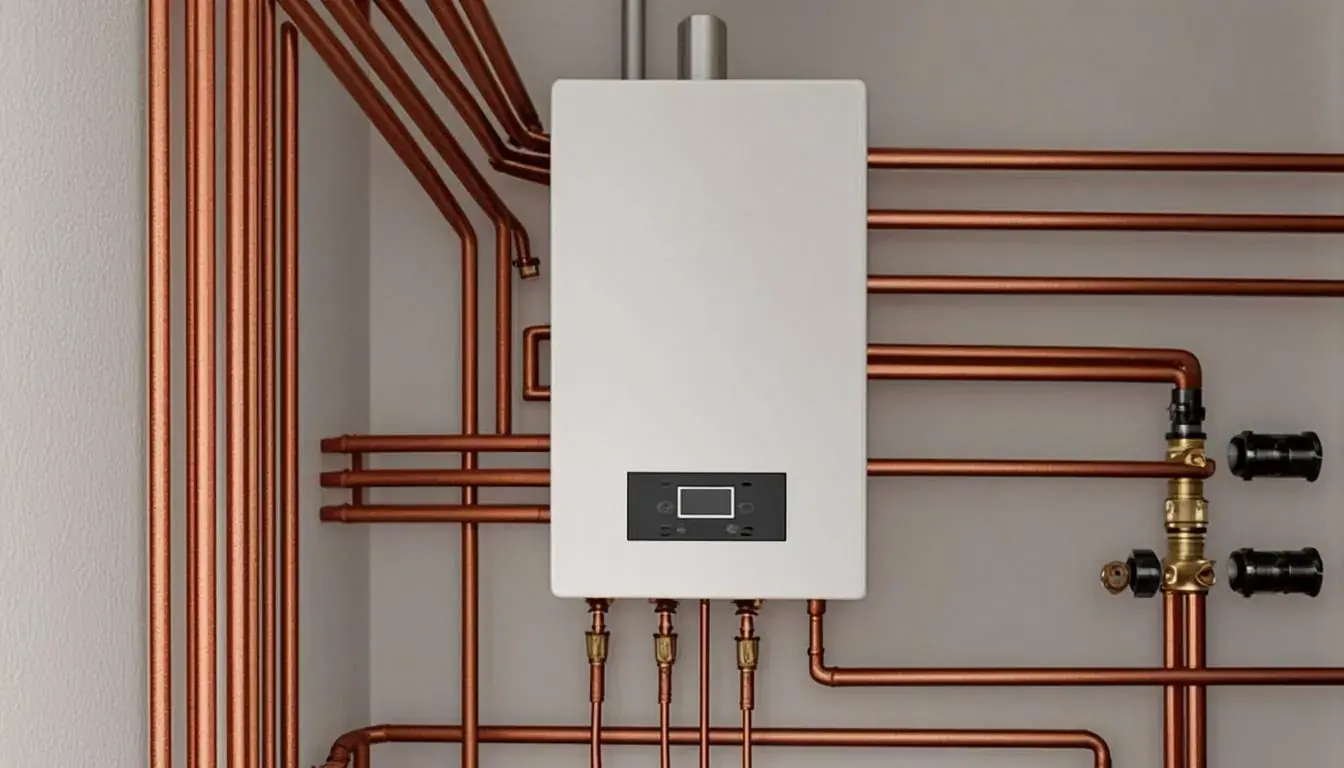
Ask five Vancouver homeowners which system they prefer and you will hear five confident answers - because both boilers and furnaces genuinely work well here. The honest comparison is not about which technology wins on paper. It is about which one fits your building's bones: the radiators or ducts already in the walls, the floor plan, the hot water strategy, and whether air conditioning is on your roadmap. Here is the full picture we walk every customer through.
How Each System Actually Heats Your Home
A furnace is a forced-air system. Natural gas burns in a sealed combustion chamber, a heat exchanger captures that energy, and a powerful blower pushes warmed air through ductwork to registers in every room. The house heats by convection: air circulates, warms the surfaces it touches, returns through cold-air returns, and cycles back to the furnace. Everything the furnace needs - burner, exchanger, blower, filter - sits in one cabinet, usually in a basement, crawl space or mechanical closet.
A boiler is a hydronic system. Instead of heating air, it heats water. A pump circulates that water through a closed loop to cast-iron radiators, baseboard convectors, in-floor tubing, or fan coils, and the rooms warm by radiation and gentle convection from those emitters. Modern condensing boilers squeeze extra energy from exhaust gases by condensing water vapour out of them - which is why drain lines and neutralizers are part of a boiler install.
The distinction matters more than most buyers expect. Forced air is one integrated system that also moves, filters and humidifies air. Hydronic is two systems in one - heat distribution (water) and combustion - that keep the air in your home still. Nearly every comfort, cost and renovation difference between the two traces back to that single design split.
Comfort: Radiant Even Heat vs Warm-Air Blasts
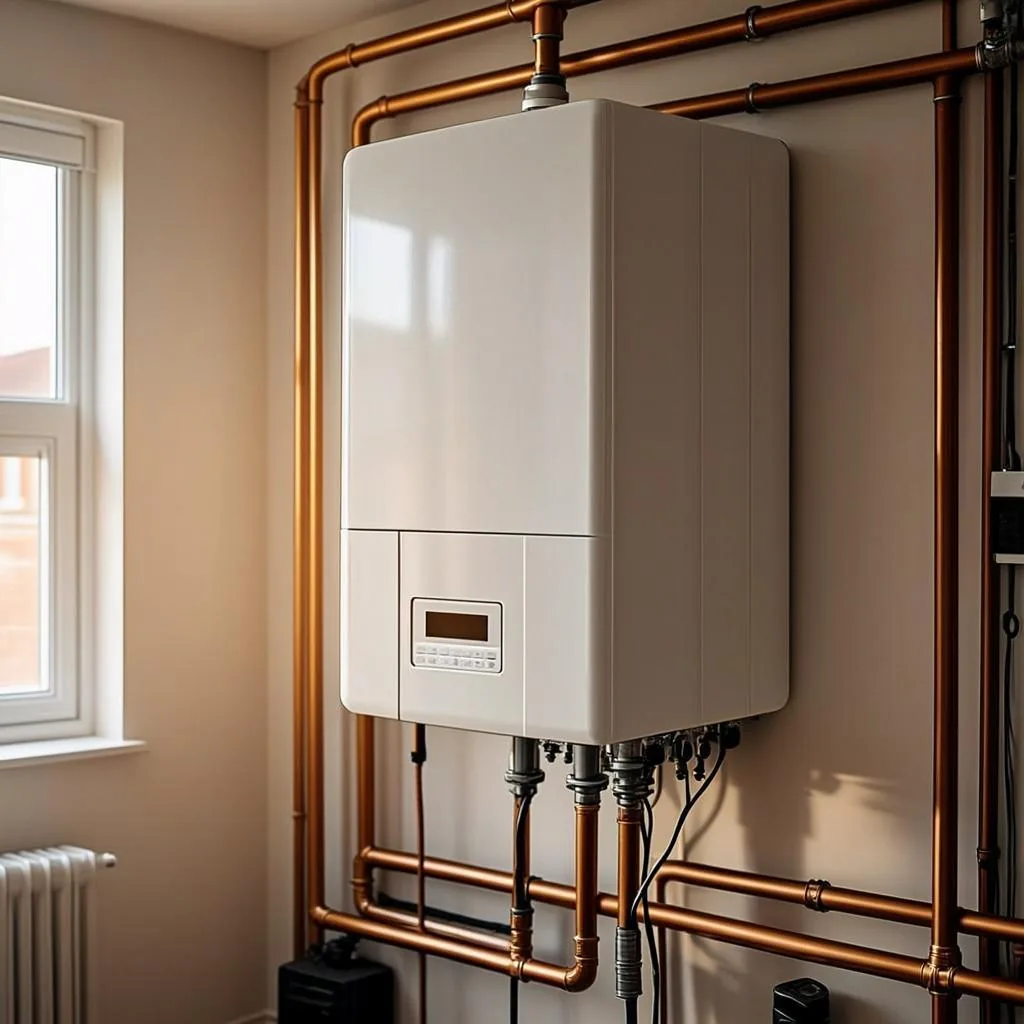
This is where hydronic loyalists earn their stripes, and their argument is physically sound. Radiant and hydronic heat delivers energy from warm surfaces - a radiator at 60 degrees Celsius or a floor at 27 - which warms every object and person in the room directly. Warm-air heating warms the air itself, and air gives up its heat quickly. The felt differences:
- Temperature swing: furnaces cycle on, drive the air 2 to 4 degrees above the setpoint, then let it drift back down. Hydronic systems coast on thermal mass, holding room temperature within about a degree. People who sleep badly with temperature swings notice immediately.
- Floor-level warmth: in-floor radiant heat puts the warmth underfoot, where bodies are. Forced-air registers stratify heat at the ceiling, leaving floors cooler - a real complaint in Vancouver's slab-on-grade ranchers and laneway homes.
- Air movement and dust: blowing air stirs dust, dander and cooking residues. Households with allergies or asthma often report calmer winters after switching to hydronic - the heat arrives without transporting anything.
- Noise: a quality furnace is quiet; a boiler system is quieter still. The loudest hydronic event is an occasional expansion tick or a circulator starting.
- Zoning: both systems zone, but hydronic zones (one circulator or valve per loop) are simpler and cheaper per zone than ducted dampers and controls.
- Recovery speed: the furnace's one clear comfort win. Blast a cold house with 45-degree air for 20 minutes and it feels warm; radiant floors take hours to come up from a deep setback. Setback schedules should be gentle on hydronic systems.
The balanced verdict: for pure, steady, draft-free warmth - especially in Vancouver's shoulder seasons where we run heat 10 months a year at low intensity - hydronic has the edge. For fast response to a house that sits cold all day, forced air recovers quicker.
Efficiency Showdown: 95% Boiler vs 96-98% Furnace
Here is the comparison most homeowners get wrong: modern equipment on both sides is remarkably efficient, and the gap between the technologies has nearly closed. A current condensing boiler runs at 95% to 98% thermal efficiency in ideal conditions. A current condensing gas furnace carries an AFUE (Annual Fuel Utilization Efficiency) of 96% to 98% for the top-tier two-stage and modulating models. On paper, the furnace is marginally ahead; in practice, distribution losses decide the real result.
Ducts that run through unheated crawl spaces, attics or outside walls can leak 10 to 25% of a furnace's output before it reaches the room - poorly sealed ductwork is the quiet efficiency killer in older East Vancouver and Burnaby forced-air homes. Hydronic piping loses far less on the way to a radiator. Conversely, boilers idle with small standby losses (pump power, jacket loss, pilot-free electronics) and short-cycle losses when oversized. Sizing quality matters more than brand on both sides: an oversized furnace or boiler cycles off before reaching steady condensing operation and never achieves its rated efficiency.
The climate case is also worth understanding. Vancouver's mild winters - the heating season is long but shallow, with design temperatures around -5 to -7 degrees Celsius and only occasional colder snaps - keep both systems in their efficient condensing range almost all season. Neither technology pays a cold-weather penalty here the way it would in Prince George.
Choose the distribution system that fits your home, then buy the best efficiency tier within it. Fighting your house to install the "other" technology wastes more energy than the 1 to 3 percent difference between 95% and 98% ever will.
Cost Comparison: Installation, Repairs and Maintenance
Installed cost is where the furnace's advantage is clearest. These are the honest 2026 brackets for Metro Vancouver, assuming a straightforward swap at existing equipment location, venting to code, gas work and permit included.
| Project | Typical installed cost (2026) | Notes |
|---|---|---|
| High-efficiency gas furnace (96-98% AFUE) + coil or AC-ready plenum | $4,200 - $7,500 | Uses existing ductwork; one-day install typical |
| Condensing boiler, radiator/baseboard system | $6,500 - $11,000 | Includes circulators, near-boiler piping, venting, condensate |
| Combi boiler (heat + domestic hot water) | $6,500 - $11,000 | Eliminates the separate hot water tank; ideal for condos and laneway homes |
| Boiler-to-furnace conversion (adds ductwork) | $12,000 - $25,000+ | Only worth it during major renovation; see AC section |
| Furnace annual tune-up | $149 - $229 | Filter changes $20-$40, homeowner DIY |
| Boiler annual safety service | $189 - $289 | Includes combustion analysis, pressure and safety valve checks |
| Typical mid-life repair (either) | $189 - $780 | Furnace parts cheaper; boiler labour heavier on hydronic side |
Three cost patterns matter over the life of the equipment. First, furnaces are cheaper to buy but their ducts must be sealed and balanced to deliver rated comfort - duct sealing is cheap ($300 to $900) and pays back fast on old systems. Second, boiler repair labour runs higher because hydronic work means draining, cutting and re-soldering pipe, while many furnace repairs are cabinet-level part swaps. Third, a combi boiler replaces two appliances at once, which is why it prices like a boiler but saves the cost of a future water heater replacement.
Space, Venting and Where the Equipment Lives
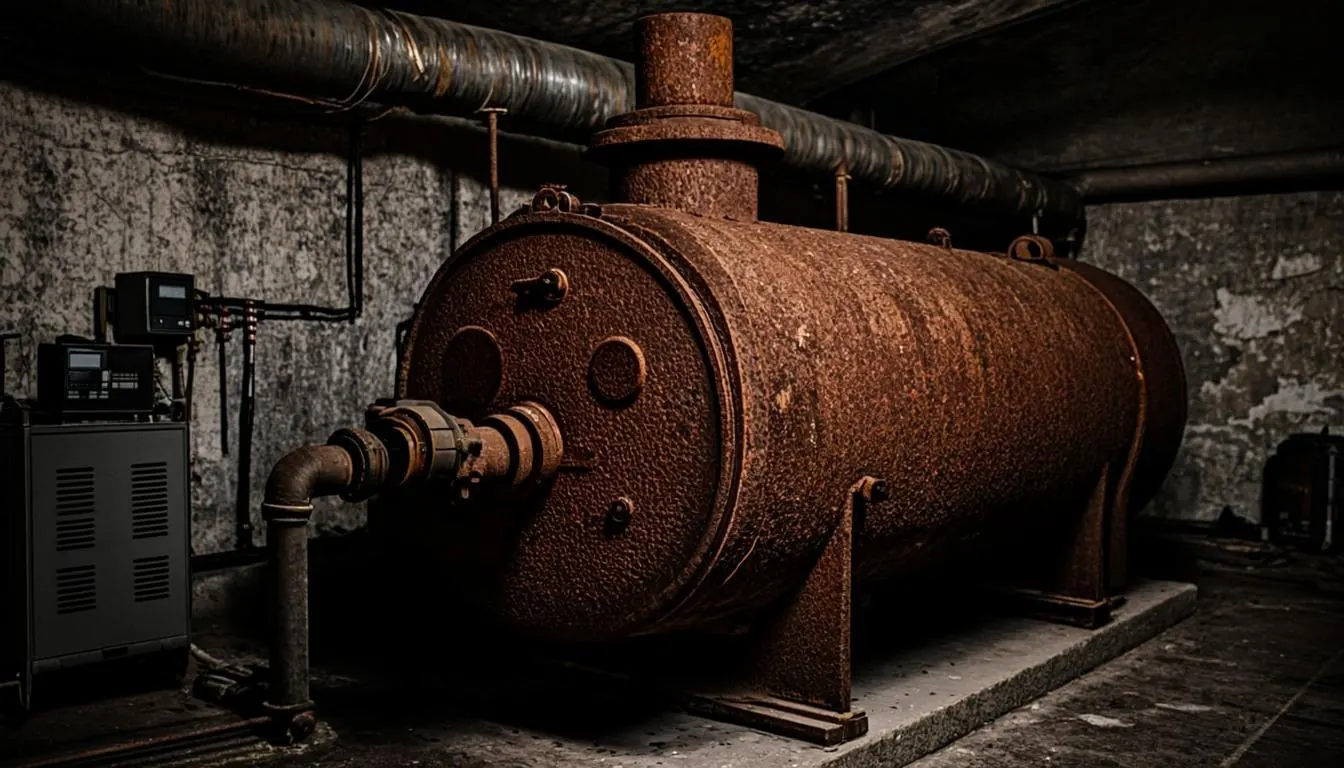
A furnace cabinet needs roughly 60 by 90 centimetres of floor plus clearance, plus space for a filter rack and (often) a future AC coil on top. It needs return-air ducting, supply plenums, and combustion air or sealed direct venting. In homes with full basements - most of pre-1980 Vancouver, Burnaby and New Westminster - this is trivial. In slab homes, crawl-space homes and condos, finding duct routes is the real constraint.
A wall-hung condensing boiler occupies as little as 60 by 40 by 30 centimetres on a wall, vents horizontally through a side wall with concentric pipe, and needs no ductwork at all. That footprint is the reason combi boilers dominate Vancouver condos, laneway houses, and the basement-suite conversions of Mount Pleasant and Riley Park: a mechanical closet the size of a bookshelf replaces an entire utility room. Piping runs are smaller than ducts, and can often be routed through existing service spaces.
- Radiators: cast-iron radiators are furniture - beautiful in heritage homes, and they hold heat beautifully, but they consume wall space and dictate furniture placement.
- Baseboard convectors: the slim compromise; they run along the base of exterior walls and are barely intrusive.
- Ductwork: invisible inside walls and floor cavities in well-designed homes, but soffits and bulkheads appear when retrofitting.
- Venting: both modern systems can side-wall vent; older chimneys work for some non-condensing equipment but condensing units need plastic venting - a factor on heritage homes with shared chimneys.
Which System Fits Your Vancouver Home Type
Metro Vancouver's building eras basically pre-load this decision. Pre-1950 character homes in Kitsilano, Strathcona, Shaughnessy, New Westminster's Queens Park and Grandview overwhelmingly have hot-water radiators fed from an aging boiler - the emitters are in place and in good condition, so replacing the boiler is a fraction of the cost of installing ductwork. Homes from the 1970s - North and West Vancouver hillside builds, Surrey and Langley ranchers - often have either in-slab or overhead radiant/hydronic heat or early forced air. From the mid-1980s onward, almost everything built in Surrey, Coquitlam, Maple Ridge, Langley and the Tri-Cities is forced air, because builders standardized ductwork for cheaper installs and future air conditioning.
| Your home | Best choice | Why |
|---|---|---|
| Pre-1950 house with working radiators (Kitsilano, Strathcona, Queens Park) | Condensing boiler (or combi) | Radiators are already excellent emitters; boiler swap keeps the comfort and the character, at lower cost than ducting |
| Home with in-floor radiant heat (West Van, North Van, 1970s ranchers) | Boiler - no contest | Radiant loops need warm water; replacing with forced air means abandoning the system in the slab |
| 1980s+ house with existing ducts (Surrey, Coquitlam, Langley) | High-efficiency furnace | Ducts are installed and paid for; furnace swap is fastest and cheapest, and AC-ready |
| Condo, townhouse, laneway home | Combi boiler | One wall-hung unit delivers heat and endless hot water with no ducts and no tank |
| New build or full gut renovation | Forced air (or hydronic + ductless) | Ducts are easy during framing, and they future-proof AC, heat pumps and fresh-air ventilation |
| Electric baseboard home, any era | Heat pump first | Neither gas system is the right first move - see our heat pump guide for the CleanBC math |
One extra local note: homes in Richmond, parts of North Delta and other areas without natural gas service, or households planning to electrify, should weigh the heat-pump path before investing in any new gas appliance. The CleanBC rebate guide covers how fuel-switching rebates change the equation.
Adding Air Conditioning: The Furnace's Biggest Win
Since the June 2021 heat dome, air conditioning has moved from luxury to expectation across Metro Vancouver, and this single factor now drives more heating decisions than it used to. Here the furnace holds a structural advantage: the same ductwork that delivers heat can carry cool air in summer. A central air conditioner or ducted heat pump connects to the furnace's blower and coil, and every register becomes a cooling outlet. One distribution system, two seasons, one filter change location.
A boiler has no air-side infrastructure. Cooling a hydronic home means adding a separate system: ductless mini-split heat pumps (the most popular choice in Vancouver's older radiator homes - one to four wall heads, no ducts, independent zoning), a compact attic or closet ducted split, or hydronic fan-coil units chilled by an air-to-water heat pump. None of these are inferior engineering; they simply cost money the furnace home does not have to spend.
- Furnace home + central AC: equipment adds roughly $5,500-$9,000 installed, using existing ducts.
- Furnace home + ducted heat pump: the strongest all-season play; the furnace becomes backup in a dual-fuel arrangement.
- Boiler home + ductless mini-splits: typically $4,500-$6,500 for the first single-zone head, $8,000-$16,000 for a multi-zone home - and each bedroom gets its own control.
- Boiler home + air-to-water heat pump: the premium path that can even feed the radiators with low-temperature water in winter; highest cost, lowest carbon.
The practical planning rule we give customers: if you know you want whole-home air conditioning and you already have ducts, keep forced air as the backbone. If your home is radiator-heated, keep the boiler for its winter comfort and add ductless cooling in the rooms that matter - do not rip out a good hydronic system for ductwork during a heating replacement; the economics never recover.
Replacing Your Heating This Season?
Book a free in-home assessment and get written pricing for both paths - boiler, furnace or combi - with the FortisBC and CleanBC rebates applied, honest guidance on your home's existing radiators or ducts, and financing from 7.99% APR with $0 down.
The Combi Bonus: Heating and Hot Water in One Unit
Ask a boiler owner in a small Vancouver home what they love most and the answer is often not the heat - it is the combi boiler ("combination") doing double duty. A combi heats the house like any boiler, but when a tap opens, a diverter valve instantly routes the burner's full power through a plate heat exchanger, producing continuous domestic hot water on demand. No tank, no storage, no waiting for a 40-gallon recovery.
The benefits compound in exactly the housing types Metro Vancouver is full of:
- Space: a single wall unit replaces both a boiler and a hot water tank - decisive in condos, laneway homes, and character homes with tiny basements already full of laundry and storage.
- Endless hot water: back-to-back showers and deep baths never drain a tank. A properly sized combi delivers 3 to 5 gallons per minute of continuous hot water - enough for two simultaneous showers in most models.
- Efficiency: no tank standby losses; you heat water only when you use it.
- One service visit: one annual service covers both heat and hot water.
The honest trade-offs: very large households with simultaneous multi-shower demand can outrun a combi's flow rate; incoming Vancouver water is cold in January, slightly reducing winter flow; and combis are technically sophisticated - buy quality (Navien, Viessmann, IBC and Lochinvar are our staple brands) and service them annually. Our water heater guide compares combis against tankless and tank options in full.
The Radiant Floor Luxury Case
If any heating experience justifies choosing hydronic from scratch, it is in-floor radiant heat. Warm water (typically 30 to 40 degrees Celsius, remarkably low) circulates through tubing embedded in a gypsum "wet" pour over the subfloor or stapled beneath it in a "dry" plate system. The entire floor becomes a gentle radiator, and warmth arrives from the ground up - the direction human bodies prefer.
In Vancouver, radiant floors shine in three settings. Bathroom renovations are the classic entry: tile over a heated floor on a January morning is the single most requested comfort upgrade we install, as a one-room zone from the main boiler. Full-home wet-pour radiant suits new builds, major additions and gut renovations in West Vancouver, North Vancouver and the newer builds of South Surrey - anywhere the floor assembly is open anyway. Dry-plate retrofits make radiant feasible on upper floors of existing homes without pouring concrete.
Budget reality: a single heated bathroom zone runs roughly $1,200 to $2,500 tied into an existing boiler; whole-home wet systems add $4,000 to $9,000 per zone over conventional alternatives. Radiant is a comfort investment, not a payback calculation - but paired with a low-temperature condensing boiler (or an air-to-water heat pump, which loves low water temperatures), it is also among the most efficient comfort delivery systems available. Our boiler and radiant service page covers the wet versus dry decision in detail.
Lifespan, Maintenance and Repair Complexity
Both systems, properly maintained, serve 15 to 20 years; cast-iron boilers routinely exceed 20 and some vintage Vancouver radiators-and-boiler plants cross 30 with component replacements along the way. Condensing boilers trend toward the lower end (12 to 17 years) because their heat exchangers work harder extracting condensation heat, and water chemistry matters.
| Maintenance item | Furnace | Boiler |
|---|---|---|
| Homeowner routine | Filter every 1-3 months ($20-$40) | Watch pressure gauge (12-20 psi typical); keep vents clear |
| Professional annual service | $149-$229 tune-up: burners, flame sensor, heat exchanger inspection, combustion check | $189-$289 service: combustion analysis, relief valve, pressure, circulators, expansion tank, low-water cutoff |
| Common repairs | Flame sensor $220, igniter $250-$380, blower motor $450-$780, control board $380-$650 | Circulator pump $380-$650, zone valve $280-$480, expansion tank $280-$420, pressure relief valve $189-$260 |
| Repair complexity | Mostly electrical cabinet part swaps; diagnostics fast | Often involves draining and pipework; diagnosis slower, labour heavier |
| Safety inspection focus | Cracked heat exchanger (CO risk) - included in tune-up | Pressurized system and gas safety - Technical Safety BC regulated |
One reliability nuance: the furnace's air filter is also its Achilles heel. A neglected filter starves the blower, overheats the heat exchanger and shortens the whole appliance's life - the cheapest maintenance in your home prevents the most expensive failure. Boilers demand less of homeowners but more of their annual technician; skipping a boiler service risks missing a failing safety component in a pressurized system. Book either service in October, before the November rush: our heating tune-up page has the full checklist.
Both systems burn gas indoors. Working CO detectors on every sleeping floor are code-smart in BC and non-negotiable in our book - test them with your October heating service.
Rebates: FortisBC and CleanBC Apply to Both
Money is available whichever path you choose, through different programs. FortisBC offers furnace replacement rebates on qualifying high-efficiency gas furnaces (96%+ AFUE tier) and up to roughly $3,000 on qualifying boiler upgrades, with bonus top-ups when work is bundled with other measures or completed by a program-registered contractor (we are one). Boiler-to-combi and tank-to-combi conversions frequently qualify as boiler upgrades plus water-heating measures, stacking two streams.
CleanBC Better Homes focuses on fuel switching rather than gas-to-gas upgrades: replacing a gas furnace, oil boiler or propane system with an electric heat pump earns the headline amounts - $6,000 to $16,000 depending on the fuel being left behind and household income - which is why the rebate conversation belongs before you commit to either new gas appliance, not after. The Canada Greener Homes Loan and our Financeit plans ($0 down, 7.99-12.99% APR) stack on any path to spread costs over 12 to 84 months.
The sequencing rule: rebates must be validated before equipment is ordered, with pre-upgrade EnerGuide evaluations booked first where programs require them. Our coordinators do that validation for every quote - the financing and rebates page lists every current stream.
The Hybrid Future: Heat Pumps and Dual-Fuel Setups
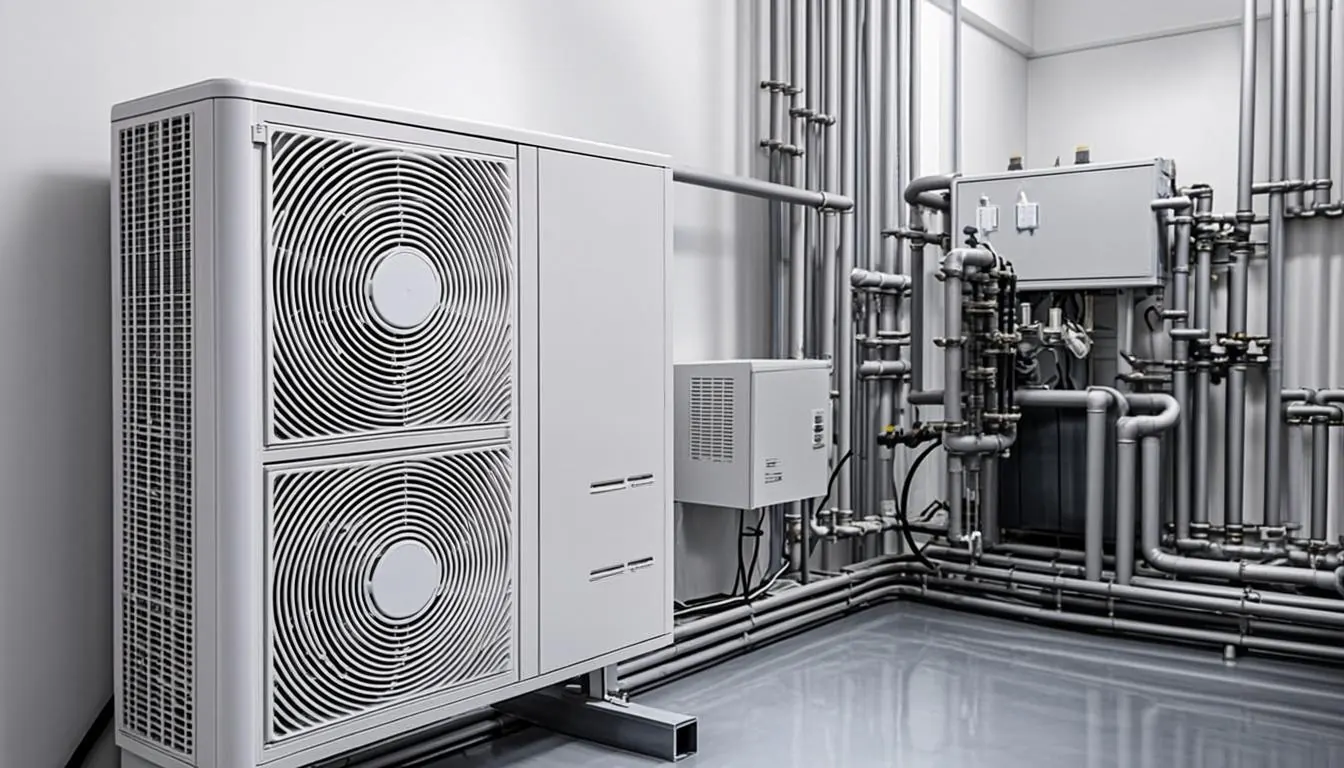
The boiler-versus-furnace question no longer ends at the gas meter, because cold-climate heat pumps have become the third option Vancouver homeowners cannot ignore. A ducted heat pump replaces the furnace outright (or joins it), while ductless and air-to-water units join boiler homes. The modern plays:
- Dual-fuel (furnace + heat pump): the heat pump carries the mild Vancouver season at 300%+ efficiency; the gas furnace takes over automatically below a set balance point (around -5 to -10 degrees Celsius). Two fuels, automatic switchover, lowest total running cost for ducted homes.
- Boiler + ductless heat pump: ductless heads supply summer cooling and shoulder-season heating at heat-pump efficiency; the boiler handles deep-winter duty and domestic hot water. The most common Metro Vancouver hybrid in radiator homes.
- Air-to-water heat pump + hydronic: feeds low-temperature radiant and modern oversized radiators directly; the premium low-carbon path for committed hydronic homes, sometimes with the boiler retained as backup.
- Full heat pump replacement: with CleanBC fuel-switching rebates up to $16,000, replacing an aging gas system outright is often cheaper net than either gas option - the heat pump guide runs the full math.
The strategic insight: your distribution system - ducts versus water - outlives any single appliance. Ducts future-proof central heat pumps and AC; hydronic future-proofs radiant luxury and air-to-water systems. Choose the infrastructure that matches the home, and every equipment generation after that becomes a straightforward swap.
Boiler vs Furnace: FAQ
A high-efficiency gas furnace typically installs for $4,200 to $7,500 using existing ductwork, while a condensing boiler runs $6,500 to $11,000 because of near-boiler piping, circulators and venting work. The gap reverses in older homes with radiators already installed: a boiler swap keeps using those emitters, while converting to forced air means adding ductwork at $12,000 to $25,000 or more. The cheapest path is almost always the one that reuses the distribution system your house already has.
Both average 15 to 20 years with annual service. Cast-iron boilers are the longevity champions - 20 to 30 years is common, with circulator pumps and valves replaced along the way. Condensing boilers and modern furnaces land in the 12 to 18 year band depending on maintenance quality and water chemistry (boilers) or filter discipline (furnaces). Annual service in October is the single biggest lifespan lever for either system.
Yes, but not through the boiler - hydronic systems have no air side. The standard solution is ductless mini-split heat pumps: one to four wall-mounted heads that cool in summer and heat efficiently in shoulder seasons, from about $4,500-$6,500 for a single zone and $8,000-$16,000 for whole-home multi-zone coverage. Air-to-water heat pumps can even drive your radiators in winter. Furnace homes simply add a central AC unit or ducted heat pump to the existing ducts for $5,500-$9,000, which is the furnace's structural advantage.
A combi ("combination") boiler heats your home and produces endless domestic hot water from one wall-hung unit - no hot water tank required. It is ideal for condos, laneway homes, townhouses and character homes with cramped mechanical spaces, especially households of one to four people. Very large households running simultaneous showers can exceed a combi's flow rate, and January's cold inlet water reduces output slightly. Quality brands (Navien, Viessmann, IBC, Lochinvar) with annual service are the reliable path.
Usually no, unless walls are already open and ducting is genuinely free to install. Working radiators are premium emitters with a resale story, and a modern condensing boiler delivers 95%+ efficiency through them. Converting costs $12,000-$25,000+ in new ductwork, forfeits the steady radiant comfort, and rarely improves running costs. If cooling is the goal, keep the boiler and add ductless heat pumps - a fraction of the conversion cost with room-by-room control. Revisit the question only during a full gut renovation.
Yes, through different programs. FortisBC offers rebates on qualifying 96%+ AFUE gas furnaces and up to roughly $3,000 on qualifying boiler upgrades, with bonuses when installed by a registered contractor. CleanBC Better Homes pays the large amounts - $6,000 to $16,000 - for fuel-switching to heat pumps rather than gas-to-gas upgrades, so it pays to weigh the heat pump option before replacing either gas appliance. We validate every rebate and file the paperwork on your behalf, and $0-down financing from 7.99% APR can cover the balance.
Get Your Free Heating Quote in Vancouver & Surrey
Tell us about your home - its age, its radiators or ducts, and what is not working - and we will book a free in-home assessment. You get written pricing for the path that fits your house: boiler, furnace, combi or heat pump, with FortisBC and CleanBC rebates validated before you order, and financing from 7.99% APR available. No obligation, and the advice is honest even if you do not hire us.
Prefer to talk it through?
Boiler-versus-furnace questions are answered fastest on the phone. Tell us your home's age and what heats it now, and our Red Seal gas technicians can sketch your realistic options and price brackets in one call - before anyone books an in-home visit.
Call 604-615-221224/7 emergency line · Mon-Fri 8am-6pm · Sat 9am-4pm