
The Honest Answer Up Front
Toilet installation in BC costs $280 to $650 installed, and the range is driven by two things: the fixture you choose and the condition of what it is going into. A standard two-piece gravity toilet set onto an existing, sound rough-in sits at the lower end. One-piece units, skirted-trap models, comfort-height and dual-flush toilets sit in the middle. Wall-hung toilets with in-wall carriers sit at the top, because with a wall-hung the wall becomes the plumbing project, not the floor.
What every one of those numbers includes: removal and disposal of the old unit, a new seal, fresh closet bolts, a supply line if the old one deserves it, levelling, and a fill-and-flush test before the crew leaves. What it can also include, honestly and without padding, is condition work — a corroded flange, an angle stop that will not close, or subfloor damage found once the old toilet is off. Chapter 6 lists those extras with the prices you should expect to see as line items, never as surprises.
The other half of the decision is repair math. A toilet that runs, hisses or cycles on its own is usually a repair job inside our $180-to-$420 plumbing repair range — a flapper, a fill valve, a flush seat — and replacing a healthy twenty-year-old fixture over a $40 part is the most common unnecessary spend we see. The plumbing services page covers the full repair list, and city pages like plumber Vancouver and plumber Surrey list local response standards.
0 installed range
Gravity two-piece at the bottom, wall-hung carriers at the top, every quote flat-rate and in writing.
0 per toilet
The straightforward swap: out, sealed, set, tested and cleaned up in under an hour.
0 flush volume
The BC Plumbing Code cap; dual-flush 3 and 6 litre units are the showroom norm.
0 star rated
12,000-plus jobs since 2010, with a 2-year workmanship warranty on every install.
What a Toilet Install Price Includes
An honest toilet install quote reads like a checklist. Remove the old unit and dispose of it responsibly. Inspect the closet flange — the ring under the toilet that everything seals to — and prep it. Set a new wax ring or rubber seal, fresh closet bolts, and a new supply line if the existing one is stiff, crusted or kinked. Level the bowl on the flange with shims so it does not rock, connect and aim the tank hardware, then run the tests: fill, flush, check for leaks at the base and the supply, confirm the seat and hardware are tight.
In a straightforward case that is 30 to 60 minutes of work per toilet. What stretches a swap to two hours is never padding; it is condition: closet bolts corroded into the flange so the old toilet fights back, a flange that is cracked or sitting proud of the floor finish, or an angle stop that will not close and has to be replaced before the supply line can come off. A technician who finds those things and quotes them as line items is doing the job right; one who quotes without looking under the old unit is guessing.
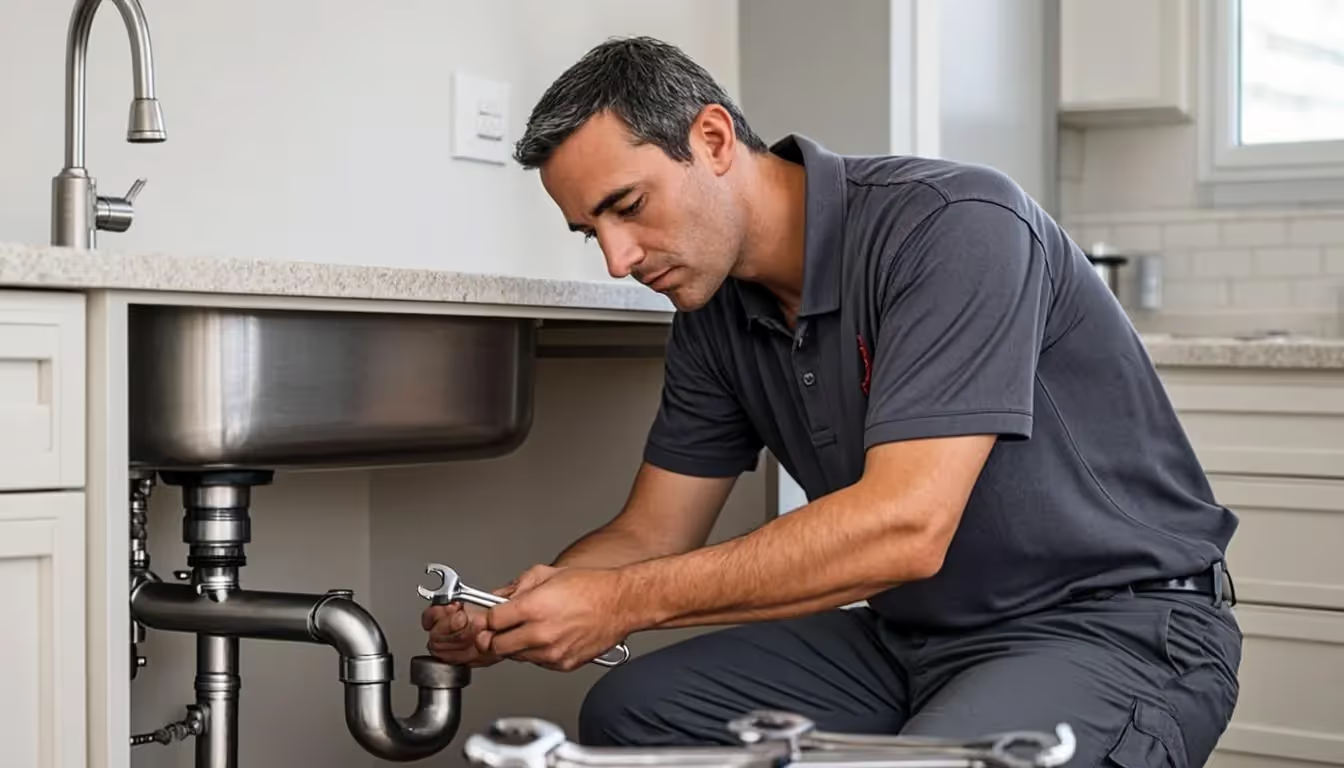
One more item that belongs in the quote: cleanup. The work area should be left dry, the old unit hauled, the packaging removed. It is a small thing, but it is the difference between an installation and a delivery — and on a job measured in minutes, the cleanup is where the careful crews separate themselves.
Toilet Types: Where Each Lands in $280-$650
The $280-to-$650 range is really a map of toilet types, and knowing where each model lands is most of the buying decision. The table below positions the common types inside the installed range — fixture and installation together — with the honest note that matters for BC homes.
| Toilet type | Where it lands in $280-$650 | The honest note |
|---|---|---|
| Two-piece gravity | Lower end | The BC default: cheapest to buy, set and service for twenty years |
| Dual-flush gravity | Lower to mid | 3 and 6 litre buttons; the water-saving standard in showrooms |
| Comfort height | Mid | Chair-height bowl; the right call for knees, hips and aging in place |
| One-piece / skirted trap | Mid to upper | Easier to clean, heavier to set; a premium look without wall work |
| Pressure-assisted | Mid to upper | Strong flush for busy bathrooms; noisier, and harder to service |
| Wall-hung with carrier | Top end | The wall becomes the project: carrier frame, framing, access planning |
Smart toilets with heated seats, bidet functions and sensors exist beyond the comfort tiers, and they are quoted as projects rather than per-unit prices because most need an electrical outlet near the bowl, which is its own scope. If a smart toilet is on your list, the honest planning sequence is plumbing first, electrical second, fixture last.
BC Code Rules: Flush Limits and Permits
Two code questions come up on almost every toilet job, and both have short answers. First, flush volume: the BC Plumbing Code, aligned with the National Plumbing Code, caps toilets at 6 litres per flush, which is why every fixture you can buy here is either a 4.8-or-less single flush or a 3-and-6 dual flush. Toilets installed in BC must also be certified plumbing fixtures under the CSA B45 series of standards, and showroom fixtures sold in this province carry that certification.
Second, permits: a like-for-like replacement on the existing rough-in — the same spot, the same drain, the same venting — is standard fixture work and needs no plumbing permit. The permit conversation starts when the rough-in changes: moving the toilet across the room, adding a bathroom where one did not exist, altering drains or vents, or tying the work into a major renovation. In those cases the permit and inspection are not red tape; they are the mechanism that catches hidden drain and vent mistakes while the wall is still open.
One dimension worth knowing before you shop: the standard rough-in in BC homes is 12 inches from the finished wall to the flange bolts, with 10-inch and 14-inch variants existing for tight and deep bathrooms. Measure yours — or have us measure it — before falling in love with a fixture, because a 12-inch toilet on a 10-inch rough-in is a return trip to the store, and nobody enjoys that conversation.
Running Toilet: Repair vs Replace
The most common toilet call we take is not an installation at all; it is a toilet that runs, hisses or refills itself at 2 AM. Nine times out of ten the fix is small — a flapper that has warped, a fill valve that will not shut, a flush valve seat scaled enough to break the seal — and the repair lands inside the $180-to-$420 range for plumbing repairs. The diagnosis is credited toward any repair you approve, and the $89-to-$129 form of that diagnostic exists precisely so you are not paying for a guess.
Replace instead of repair in three honest cases: the tank or bowl is cracked, the fixture is so old that parts are becoming scavenger hunts, or you are opening the bathroom for renovation anyway and this is the cheapest moment to change it. What you should not do is replace a healthy fixture over a worn flapper — that is the single most common unnecessary spend in this trade, and any technician who recommends it without checking the parts first is selling, not diagnosing.

One quiet-cost angle worth a paragraph: a running toilet is also a water bill. A fill valve stuck open can waste hundreds of litres a day, silently, and a leak at the flange can rot a subfloor for years before it shows. The hidden water leak detection guide covers the signs; the sixty-second version is food colouring in the tank — if colour appears in the bowl without flushing, something is leaking.
Bottom line
Repair first, replace on evidence. A $180-to-$420 repair that buys years on a sound fixture beats a $650 replacement every time — except when the bowl is cracked, the parts are extinct, or the wall is already open.
Water Savings: The Honest Payback
Flushing is typically the biggest indoor water use in a home, and the spread between generations of toilets is enormous. Pre-1990s fixtures can run 20 litres per flush, the 1990s-to-2000s generation around 13, and a modern dual-flush uses 3 for liquid and 6 for solid. Replacing the oldest, most-used toilet in a Metro Vancouver home genuinely shrinks the water bill and the load on regional infrastructure, which matters in a growing region that measures its supply in reservoirs and snowpack.
The honest part of the math: payback on water alone is measured in years, not months, so a toilet is a poor pure-investment pitch and a perfectly good purchase when the old unit is failing anyway, the bathroom is being renovated, or comfort-height and a better flush are worth the money to you. The smart order of operations is the same as in Chapter 1: replace the oldest and most-used fixtures first, and leave the rarely used guest bathroom for last — nobody saves money replacing a toilet nobody flushes.
Municipal water-efficiency incentives have existed in Metro Vancouver in various forms over the years, and they change with program cycles, so ask us what is currently offered when we quote; we check, because a rebate that exists this season can quietly disappear in the next. What does not change is the code floor: every toilet installed today in BC is a 6-litre-or-better fixture, so even the budget end of the $280-to-$650 range is a water-savings upgrade over anything installed before the mid-2000s.
Multiple Toilets and Renovation Timing
Most Metro Vancouver homes have two to three toilets, and the arithmetic of doing them together is simple: one trip, one setup, one cleanup, priced per unit. Two toilets in one visit is typically a half-day; three is a full morning. The per-unit price improves because the fixed costs of the visit are shared, which is also why whole-bathroom renovations carry the best toilet pricing of all — the room is already open and the crew is already on site.
Timing inside a renovation matters more than most homeowners expect. The toilet goes in late: after flooring, after paint, after tile, because setting a toilet on a finished floor with the right flange height is a one-hour job, while setting it early and working around it is how bases get chipped and seals get stressed. If a renovation is on your horizon, sequence the plumbing rough-in first, finishes second, fixtures last — and buy the toilet before the tile goes in so the flange height can be set for it specifically.
For landlords and property managers across the region, the same logic scales: a suite turn that includes a toilet, a flapper rebuild on the second bathroom and new supply valves is one visit, one invoice, and one flat-rate approval, which is how the Langley plumber and Richmond plumber teams handle multi-unit turns every week. The service areas page lists all 17 cities we cover.
DIY vs Pro: Where the Line Sits
We install toilets for a living and we will still say it plainly: a like-for-like swap on a sound flange is one of the few plumbing jobs a careful homeowner can genuinely do. Two bolts, one seal, one supply line, a level and patience. If the old toilet comes out clean, the flange looks intact and the angle stop closes, the hardware store route is honest and we are happy to stay out of your way.
| Situation | DIY or pro | Why |
|---|---|---|
| Like-for-like swap, sound flange | DIY-friendly | Two bolts, one seal, one supply line; take your time and test |
| Corroded bolts or cracked flange | Pro | Extraction and flange repair without cracking the bowl or the drain |
| Wall-hung with in-wall carrier | Pro | Framing, carrier load ratings, drain and flush plumbing in the wall |
| Soft or stained floor around the base | Pro | Subfloor rot needs opening and repair, not shims and hope |
| Strata suite | Check bylaws first | Many stratas and insurers require licensed plumbers for fixture work |
The line moves to pro for anything that involves the flange, the floor or the wall — and for the diagnosis itself when you are not sure what you are looking at. A $89-to-$129 diagnostic that tells you the flange is fine is cheaper than a DIY evening that discovers it is not, and it is credited toward any repair or install you approve from it.
How to Get a Fair Toilet Install Quote
A toilet quote should read like the checklist in Chapter 2: removal, disposal, seal, bolts, supply line, levelling, testing, and the condition items priced as lines. Ask two questions of any company before booking: will you inspect the flange before finalizing the price, and is the workmanship warranty in writing? Ours is two years, on every job, alongside the manufacturer fixture warranty — and the answers you want to hear are yes and yes.
The red flags in this trade are as consistent as the flanges are corroded: a per-toilet price quoted over the phone with no condition questions, a reluctance to say who sets the fixture, and an invoice that grows after the old unit is already off the floor and in the truck. The deeper vetting list lives in the how to choose a plumber guide, and the plumber cost guide for 2026 shows standard daytime rates so you can sanity-check any number you are given.
Bottom line
Insist on a flange inspection before the price is final and a written workmanship warranty behind it. Those two habits turn a $280-to-$650 range into an exact number before anyone picks up a wrench.
The Toilet Budget Cheat Sheet
Find your situation, read the honest number, and remember that every price below is a flat rate approved in writing before work starts.
| Your situation | Honest 2026 number | Watch for |
|---|---|---|
| Standard two-piece, sound rough-in | $280 and up installed | Removal, disposal, seal and testing all inside the number |
| Comfort-height or dual-flush upgrade | Mid-range of $280-$650 | Best value for knees, hips and water bills alike |
| Wall-hung with carrier | Top of $280-$650 | Plan the access panel; the wall is the project |
| Toilet runs or refills on its own | $180-$420 repair | Flapper, fill valve or seat; replace only on evidence |
| Wobbly toilet, stained floor | Diagnose first, $89-$129 credited | Suspect the flange and the subfloor before re-setting anything |
| Two or three toilets, one visit | Per-unit pricing, one trip | Compare quotes on the per-unit line, not the total |
The one-sentence version of this guide: $280 to $650 installed depending on type, repair before replacement when the fixture is sound, and a flange inspection before any price is final. For a real number on your bathroom, the form below reaches a Red Seal technician directly, and 604-615-2212 answers 24/7.
Frequently Asked Questions
Services That Solve This Faster
Plumbing Services
Fixture installs, repairs and diagnostics across Metro Vancouver, flat-rate quoted before work starts.
Plumber Vancouver
Toilet installs and running-toilet repairs in Vancouver, with the $89-to-$129 diagnostic credited.
Plumber Surrey
Same per-toilet flat-rate model across Surrey, from Fleetwood to South Surrey, six days a week.
24/7 Emergency Service
Overflowing bowls and supply failures answered around the clock, with the flat $150 after-hours premium.
Related Guides From Our Team
How to Detect Hidden Water Leaks — the silent leaks that rot subfloors and inflate water bills, and how we find them.
Plumber Cost in Vancouver 2026 — standard daytime rates for the full repair list, from flappers to fill valves.
How to Choose a Plumber in Surrey — the licence, insurance and flat-rate questions worth asking before any booking.
Emergency Plumbing in Vancouver — what to do in the first hour when a fixture fails badly.
Hot Water Tank Rental vs Buy — the other fixture decision every BC homeowner eventually faces.
Red Seal certified, licensed gas fitters (BC-PL-2019-4421), $2M insured, 15-plus years on the tools, 12,000-plus jobs across Metro Vancouver since 2010, 4.9 stars from verified reviews. We wrote this guide because Metro Vancouver homeowners deserve the numbers, the code references and the honest trade-offs before anyone touches a wrench or a wallet.
More about our team →Talk to a Real Technician About This Today
Book a visit with a Red Seal technician: a real diagnostic, a written flat-rate quote before any work starts, honest repair-versus-replace math, CleanBC rebate paperwork handled and financing from 7.99 percent with approved credit. Emergencies answered 24/7 at 604-615-2212.
Running, wobbling or just old?
A Red Seal technician checks the flange, diagnoses the running and gives you the flat number before work starts: $280 to $650 installed, $180 to $420 for most repairs, with a 2-year workmanship warranty behind every job. Emergencies answer 24/7 at 604-615-2212.
Call 604-615-2212 WhatsApp Us