Window Replacement Vancouver: Costs, Permits & Rebates (2026 Guide)
Everything Metro Vancouver homeowners need before ordering new windows: real 2026 pricing per window and per house, double versus triple-pane decisions, frame materials, City of Vancouver permits, CleanBC rebate rules and the 21-point installation standard we hold every crew to.
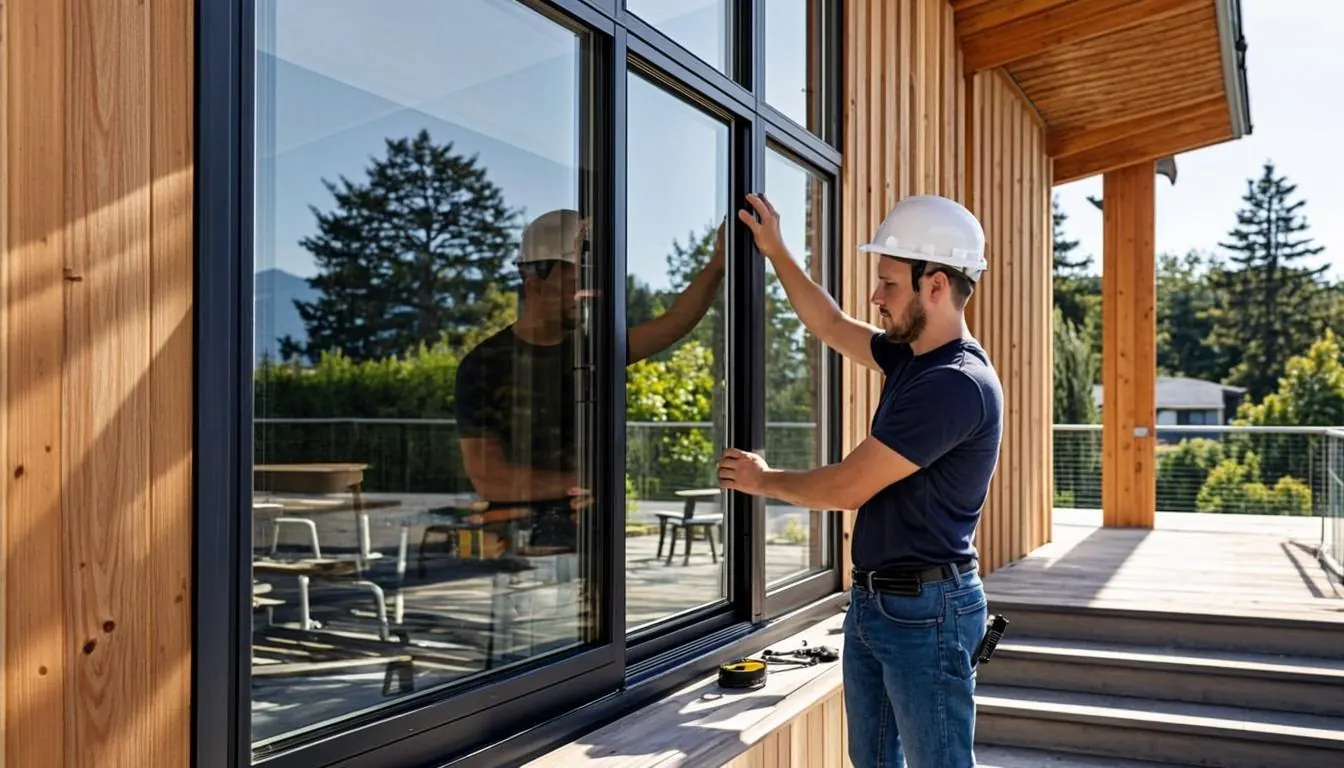
Vancouver is a window city. More than 1,100 millimetres of rain lands on the average roof here every year, most of it wind-driven from the south and east, and our heating season stretches from October well into April. Few single upgrades change comfort, noise and monthly energy costs as much as replacing tired glazing. This guide lays out the numbers our crews actually quote across Vancouver, Burnaby, New Westminster, the North Shore and Surrey - with no mystery markups and no sales-pressure arithmetic.
Why Vancouver Homes Replace Their Windows
Window replacement in Vancouver is rarely a cosmetic decision. The housing stock tells the story. In Kitsilano, Strathcona, Mount Pleasant, Grandview and much of East Vancouver, thousands of pre-1940 character homes still carry original or near-original single-pane wood sash windows - some maintained, many not. A single pane of glass loses roughly twice the heat of a modern double-pane unit and offers essentially zero resistance to street noise. On a January night with the temperature sitting between -5 and 2 degrees Celsius, a single-pane bedroom window feels like a cold radiator pumping heat into the street.
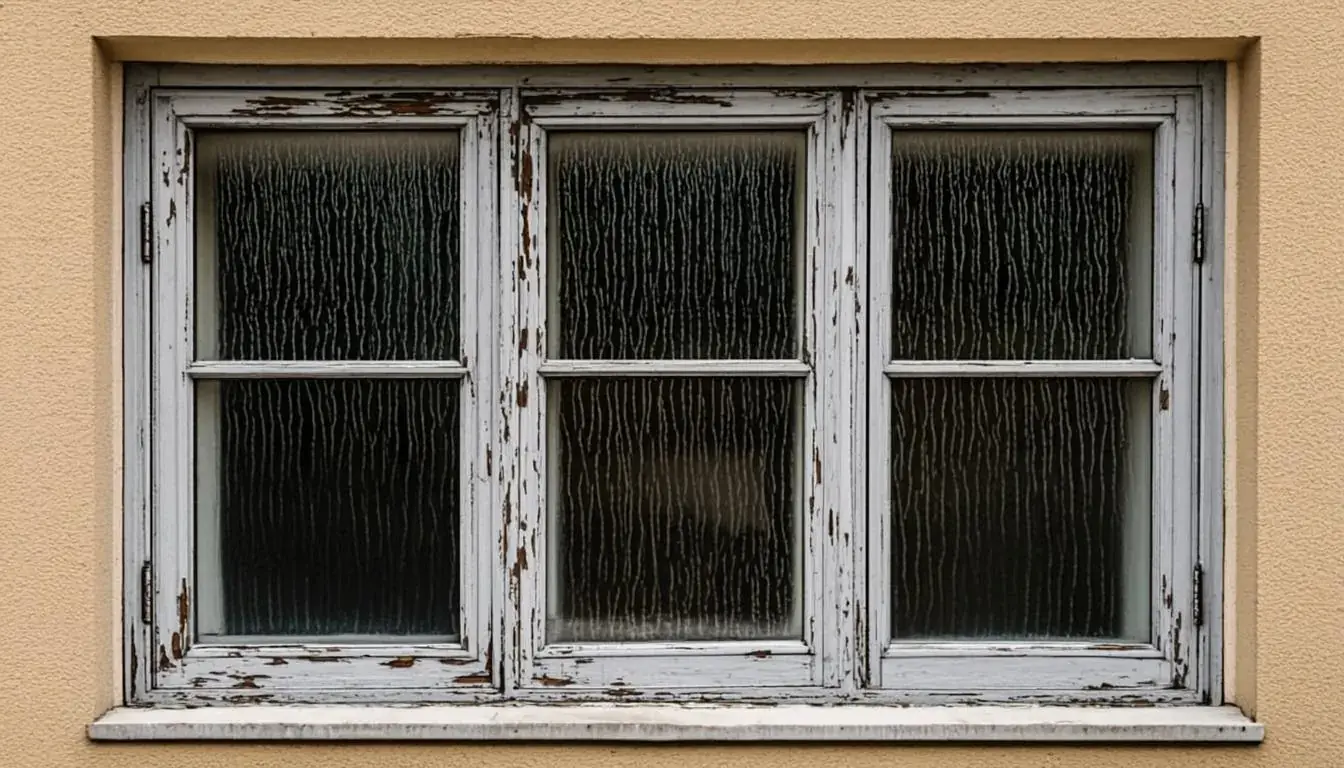
The second wave of problem windows arrived with the 1970s and 1980s building booms that shaped Burnaby, Coquitlam, Surrey's Guildford and Whalley neighbourhoods, New Westminster's apartment belt and much of North and West Vancouver. Those decades favoured aluminum slider windows. Aluminum conducts heat roughly 200 times faster than vinyl, so the frames become condensation magnets: every humid West Coast morning, water pools on the sill, stains the drywall below, and eventually feeds mould in the frame pocket. Many of these windows also used uncoated double-pane sealed units that have long since failed - the fogging or mineral streaking between the panes means the argon or dry air seal is gone and the insulating value has collapsed.
The third driver is our climate itself. Vancouver's winters are mild on the thermometer but damp and long. High outdoor humidity plus heated indoor air creates constant condensation pressure on cold glass and frames. Wind-driven rain tests every exterior seal on south and southwest exposures, from Point Grey and English Bay frontages to exposed West Vancouver hillside homes. And in summer, the June 2021 heat dome and every warm season since have pushed homeowners to think about solar gain and air conditioning - which modern Low-E coatings manage far better than 1980s clear glass.
What Window Replacement Costs in Vancouver (2026)
Window pricing in Metro Vancouver is quoted per unit, installed, and the honest range is wide because glass packages, frame materials and access conditions vary house to house. These are the real-world brackets we quote across the region in 2026, including the window itself, labour, sealing, trim finishing and old-window disposal.
| Window type & package | Installed cost per window (2026) | Best for |
|---|---|---|
| Double-pane vinyl, standard sizes (double-hung or slider) | $650 - $1,100 | Whole-home refreshes, rentals, resale prep |
| Double-pane casement or awning (better air seal) | $700 - $1,200 | Bedrooms and living rooms, rain-exposed walls |
| Triple-pane, any style, Low-E + argon | $850 - $1,400 | Noise zones, CleanBC rebate claims, comfort upgrades |
| Large picture or fixed unit | $800 - $1,500 | Living rooms, views, passive solar gain |
| Bay or bow unit (3-5 joined panels) | $3,000 - $6,500 | Front facades, kitchens, character homes |
| Full home - 10 standard windows | $7,800 - $14,000 | Whole-envelope upgrades with rebate stacking |
The full-home figure assumes standard openings in reasonable condition. A ten-window project on a 1912 Kitsilano craftsman with settling frames will sit near the top of the range or above it; a ten-window swap on a 1996 Surrey townhouse usually lands near the bottom.
What moves a quote up or down
- Frame condition: rotten or insect-damaged rough openings need wood repair before installation - typically $150 to $400 per opening.
- Access: third-storey or roofline windows on West Vancouver or North Vancouver slopes may need scaffolding, adding time and cost.
- Glass upgrades: tempered glass for bathrooms and beside doors, laminated acoustic panes for noise zones, and tinted or privacy glass all add to the sealed-unit price.
- Custom shapes: arched, round-top or unusual sizes must be custom manufactured, which extends lead time and price.
- Heritage replication: matching divided lite patterns or historic profiles in Strathcona or Shaughnessy heritage homes costs more than standard units but preserves character and resale value.
- Disposal and finishing: proper old-glass disposal, interior casing, and exterior trim or cap finishing are included in our quotes - verify they are included in any quote you compare.
A window price quoted by phone or email without anyone measuring your openings is a number, not a quote. Reputable Metro Vancouver window companies measure every opening, check the rough framing, and put the full price in writing before you commit.
Double-Pane vs Triple-Pane: What Makes Sense in Vancouver
Canada rates windows differently from the United States, and the ratings matter more than the pane count alone. Two numbers do most of the work. The U-factor measures how much heat the whole window (glass plus frame) lets escape - lower is better, and Canadian code requires most new windows to hit roughly U-1.6 W/m2-K or better in our climate zone. The ER (Energy Rating) combines U-factor, solar gain and air leakage into a single score - higher is better, and triple-pane units with warm-edge spacers, Low-E coating and argon fill typically reach ER 30 or more.
Double-pane Low-E argon units perform well for most of Metro Vancouver's mild heating season. Triple-pane earns its premium in three situations: exposed or north-facing rooms that never feel warm; homes near serious noise sources; and any project where you want to claim the CleanBC window rebate, which requires a minimum three-pane (triple-glazed) product with a qualifying ER. The added pane also raises the interior glass temperature, which pushes condensation further down the scale during damp January weeks.
| Performance measure | Double-pane (Low-E, argon) | Triple-pane (Low-E, argon) |
|---|---|---|
| Typical whole-window U-factor | 1.4 - 1.8 W/m2-K | 1.0 - 1.3 W/m2-K |
| Typical ER rating | +17 to +29 | +30 to +40 |
| Interior glass temperature in cold weather | Cooler to the touch | Noticeably warmer |
| Street noise reduction vs old single pane | Significant | Best available, especially with laminated pane |
| Approximate added cost per window | Base price | +$150 to $300 |
| CleanBC rebate eligible | No (minimum 3 panes required) | Yes, when ER thresholds are met |
One honest note from our install history: the comfort and noise difference between good double and good triple is felt more than measured on a mild Vancouver bill. If budget forces a choice, an excellent double-pane window installed to a strict air-sealing standard beats a mediocre triple-pane rushed into a leaky rough opening. The install quality carries as much weight as the glass.
Window Frame Materials Compared for the West Coast
Frames decide how a window ages in rain country. Glass performance is standardized; frame behaviour over 20 wet winters is where materials genuinely differ. Vinyl dominates Metro Vancouver replacements for a reason, but it is not the only correct answer - especially for heritage character homes and modern laneway builds.
| Frame material | Cost relative to vinyl | Strengths in Vancouver's climate | Watch-outs |
|---|---|---|---|
| Vinyl (uPVC) | Base | The BC favourite: will not rot or corrode in rain, multi-chambered frames insulate well, welded corners stay airtight, huge colour and style range from local manufacturers | Dark colours absorb summer heat; quality varies widely between extrusion lines |
| Fiberglass (pultruded) | +20% to +60% | Extremely stable - barely expands or contracts with our temperature swings; slim profiles, strong frames for large picture glass; paintable | Higher upfront cost; fewer local finish options |
| Wood & wood-clad | +50% to +150% | The heritage answer for Kitsilano, Dunbar and Strathcona character homes; traditional sightlines; interior can be stained to match existing trim | Needs repainting on a schedule; requires excellent exterior detailing on rain-exposed walls |
| Aluminum (thermal-break) | +30% to +80% | Slim modern sightlines, structural strength for high-rises and big sliders, near-zero maintenance, popular in condos and laneway homes | Even with a thermal break it is the coldest frame option; can still sweat in deep-damp January weather |
For most detached homes in Vancouver, Burnaby and Surrey, a quality vinyl frame with a reinforced multi-chamber profile is the value sweet spot. Fiberglass deserves a hard look for large openings and exposed North Shore or West Vancouver sites. Wood-clad earns its cost where character matters - and on heritage-register homes it may be the only option the character review will approve. Aluminum with a proper thermal break belongs in modern architectural builds and apartments where sightlines and durability outweigh the last few points of insulation.
Retrofit vs Full-Frame Replacement, Explained Honestly
These two install methods are the single biggest source of window quote confusion, and the difference is not marketing - it changes what physically happens to your wall.
Retrofit (insert) installation keeps your existing window frame and stops. The crew removes only the sashes and glass, inserts a new sealed unit inside the old frame, trims it out, and seals it. It is faster, cheaper per window (often $100 to $200 less), and preserves interior trim and exterior cladding - which matters enormously in heritage interiors. The trade-off is a slightly smaller glass area and the fact that the old frame - and any hidden rot or air leakage inside the wall pocket around it - stays in place.
Full-frame replacement removes the entire old window down to the rough opening. The crew inspects and repairs the framing, installs new insulated framing, a complete moisture-management system (sill flashing, tape, drip caps), and finishes with new interior trim and exterior capping. You get the full glass area, a fully inspected structure, and the best possible air seal. It is the right call whenever frames are damaged, when you are changing window style or size, and on any wall with past water intrusion.
| Factor | Retrofit insert | Full-frame replacement |
|---|---|---|
| Cost per window | Lower | Higher (+$100-$250 typical) |
| Glass area | Slightly reduced | Full opening size |
| Frame and rot inspection | Not possible - old frame remains | Full rough opening inspected and repaired |
| Air sealing quality | Good, depends on old frame condition | Best - complete new seal envelope |
| Interior trim | Preserved | New (matches character if specified) |
| Best use | Solid frames, tight budgets, heritage interiors | Aged frames, leaks, style or size changes |
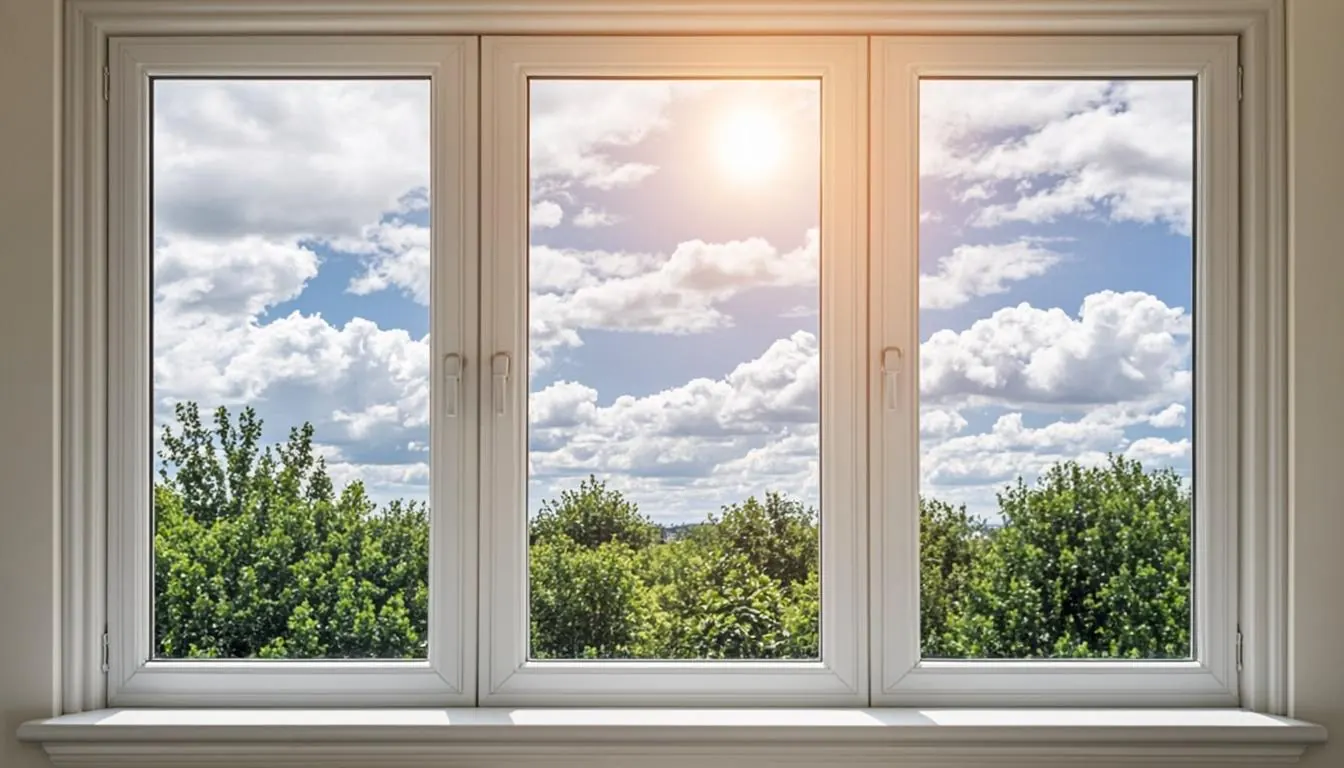
We quote both methods and tell you exactly which openings justify each. A 1970s aluminum slider with a sound rough opening is a strong retrofit candidate; a 1920s sash window with 40 years of sill moisture is not. Here is the visible difference a correct full-frame install makes on a typical Vancouver upgrade:
Permits, Strata and Heritage Homes in Vancouver
Permit rules are simpler than most homeowners fear, but the exceptions carry real consequences. Here is the simplified picture for the City of Vancouver, which other Metro municipalities broadly mirror in structure if not in detail.
Like-for-like replacements generally do not require a building permit. Swapping a window for a new one of the same size, in the same opening, with the same type of glass and no structural change to the wall is typically treated as a repair-level alteration. Our coordinators confirm current rules with the city before every project because requirements do shift.
A permit is required when the work goes beyond like-for-like. That includes enlarging or moving openings, cutting new windows into a wall, changing a fixed window to an operating one on an egress path (bedroom egress windows have minimum size rules), and any structural framing changes. Projects inside the development-permit boundary of a character or heritage home, or on a building listed on the Vancouver Heritage Register, face additional review: the character of street-facing windows often must be retained, which usually means wood or wood-clad frames, true divided lites or accurate grilles, and matching profiles.
Strata is its own jurisdiction. If you own a condo or a strata townhouse in Burnaby, Metrotown, New Westminster or Richmond, exterior windows are usually common property. You need written strata approval before ordering, and many strata councils mandate a specific frame colour, glass spec or installer insurance level. We handle the paperwork - spec sheets, insurance letters and WorkSafeBC clearance - as part of every strata project.
Pre-1940 homes in Strathcona, Kitsilano and Grandview RT (two-family dwelling) zones frequently fall under character-home review even when not formally listed. Order heritage-spec windows before confirmation and you may be buying twice.
CleanBC Window Rebates: Getting $500 to $2,000 Back
CleanBC Better Homes is British Columbia's flagship rebate program, and windows are one of its covered envelope upgrades. The rebate is calculated on the qualifying window area you replace, with total support for a combined window and door project landing between roughly $500 and $2,000 for a typical detached home. The single most important eligibility rule is the minimum three-pane requirement: the program funds triple-glazed windows meeting its ER threshold, not standard double-pane product. That aligns the rebate with the actual building-science case - if you are pulling windows for efficiency, the program wants the upgrade to count.
The process has a specific order, and skipping it is the number one reason claims get denied:
- Book the pre-upgrade EnerGuide energy evaluation before ordering or installing anything. The evaluation (typically $350-$550) documents your home's baseline and enrols the project in the program.
- Install qualifying triple-pane windows with your contractor, keeping every specification label, invoice and product data sheet.
- Complete the post-upgrade evaluation, which verifies the installed product.
- Submit the claim with both reports and documentation; decisions commonly arrive within 4 to 8 weeks of a complete file.
Our coordinators book both EnerGuide evaluations, collect the manufacturer documentation, and submit the full CleanBC claim on your behalf - then follow it until the cheque arrives. Ask us to include the rebate math in your written quote.
Stacking is allowed within reason: the Canada Greener Homes Loan financing stream and our Financeit plans (from 7.99% APR, $0 down) can cover the upfront project while the rebate arrives later, and many clients apply the rebate cheque directly against the loan balance. Our financing and rebates page breaks down every stackable program.
Planning New Windows This Year?
Get a written, measured quote with per-window pricing, the triple-pane upgrade cost, and your exact CleanBC rebate estimate - free, within 48 hours, from a Red Seal certified team that has installed 2,400+ windows across Metro Vancouver.
BC Window Brands We Install and Why They Fit Here
Window manufacturing is a genuinely regional industry, and the Pacific Northwest builds products designed for exactly our weather: rain, moderate cold and salt air. These are the brands we install most across Metro Vancouver, and the ones we stand behind with our own installation warranty on top of the manufacturer coverage.
| Brand | Made in | What they do best |
|---|---|---|
| Vinyltek | Burnaby, BC | Workhorse vinyl windows engineered and warrantied for the West Coast rain; huge style and colour range; short lead times for Metro Vancouver projects |
| Cascadia Windows & Doors | Langley, BC | Fiberglass-frame specialists; ultra-low U-factors and passive-house-grade options for efficiency-first and exposed-site projects |
| Inland | BC / Pacific Northwest | Durable vinyl and aluminum-hybrid product lines with strong value pricing for whole-home multi-window orders |
| Milgard | Pacific Northwest (US) | Broad dealer network and proven aluminum and fiberglass lines; the go-to for slim modern sightlines and big sliders |
Every unit we install carries current CSA A440 performance certification and NAMI or equivalent third-party validation of the ratings, which is what CleanBC documentation requires. Brand choice comes second to glazing spec and install quality, but availability, lead times and local warranty support are real advantages of buying regionally: a window built in Burnaby can be on your wall weeks faster than a custom import.
Energy Savings and Noise Reduction: The Real Math
Heating savings: 15 to 25 percent, honestly framed
Windows typically account for roughly 15 to 25 percent of a Vancouver home's total heat loss when the glazing is single-pane or failed double-pane. Replacing them therefore trims about 15 to 25 percent off your heating energy use - not off your entire bill. Run the numbers on a typical older detached home: if heating costs $1,800 to $2,600 per winter with a gas furnace or boiler, new windows return roughly $270 to $650 per year in gas savings, more if the old windows were badly drafty. Combined with a colder interior glass surface and eliminated drafts, the comfort gain usually registers with homeowners faster than the bill does.
Payback on windows alone, at those savings, is long - often 12 to 20 years on energy alone. That is the honest math, and it is why we recommend windows as part of a considered envelope plan: pairing them with heat pump upgrades, air sealing and insulation lifts the total return, and the CleanBC rebate plus improved resale value cover a meaningful share of the gap. Windows are a comfort-and-asset investment that pays an energy dividend, not a pure energy investment.
Noise: the upgrade you feel within minutes
Vancouver's noise geography is well defined: the Expo, Millennium and Canada Line SkyTrain corridors, Kingsway, Main, Hastings and Knight Street traffic, and the YVR flight paths over Richmond, Marpole and parts of south Vancouver. If your bedroom faces any of them, glazing changes your evenings more than your thermostat.
Noise performance depends on three things: pane thickness asymmetry (a thicker outer pane resonates differently than the inner), laminated glass (a bonded inner layer that damps vibration), and airtightness (a leaky frame lets sound straight through the best glass). Acoustic packages with laminated glass in triple-pane layouts can cut perceived traffic noise by roughly a third to a half versus old single-pane units - the difference between hearing every bus and needing to check that one actually passed. We quote acoustic glazing per opening, so bedrooms facing the corridor get it and the quiet back wall does not pay for it.
| Upgrade | Approximate annual heating value | Comfort effect |
|---|---|---|
| 10 single-pane windows to double-pane | $300 - $550 | Major - warmer rooms, fewer drafts |
| 10 windows to triple-pane + air sealing | $400 - $650 | Major plus condensation reduction |
| Failed double-pane sealed units replaced | $150 - $350 | Moderate - restores lost insulation |
| Acoustic laminate package (noise zones) | Neutral to slight gain | Transformative on busy corridors |
Why New Windows Sometimes Show MORE Condensation at First
This is the most confused topic in window replacement, so it deserves a straight explanation - especially in Vancouver, where winter outdoor humidity stays high and homes are buttoned up against five months of drizzle.
Condensation appears wherever warm moist indoor air meets a surface below its dew point. Old leaky windows did something invisible but important: they constantly leaked warm air out and drew cold dry air in. That exchange actually dried out your house while wasting heat. Your interior humidity stayed low, so the old window - despite being ice-cold - gathered less water than you might expect, and what did form often drained into the wall cavity where you never saw it.
Install airtight new windows and the house stops breathing through the walls. Indoor humidity rises - from cooking, showers, breathing, and gas appliances - and the coldest remaining surface is now the edge of the new glass. Result: water beads on a window that cost four figures, one damp morning in November. It is not a defective window; it is your home's moisture finally becoming visible instead of being vented through the wall.
The fix is managing indoor humidity, not replacing the window again: run bathroom fans 20 to 30 minutes after showers, use kitchen range exhaust while cooking, keep interior humidity around 40 to 50 percent in shoulder season and let it drift lower during cold snaps, and ventilate daily. Modern HRVs and good fan habits solve nearly every case within the first heating season. Condensation between the panes is the different failure - a broken seal - and that is a warranty claim on the sealed unit, not a humidity issue.
Water on the room-side glass edge: humidity management. Fog or streaking permanently sealed between the panes: failed unit, warranty replacement. Water pooling on the frame from outside: installation or flashing issue, call us immediately.
The 21-Point Installation Standard (and Why It Exists)
A window is a system sitting in a wet wall. The glass rating gets the brochure; the installation determines whether the wall stays dry for the next 25 years. Every BC Home Service install is measured against a 21-point checklist, and we publish it because it is what any competent crew should be doing - use it to interrogate any quote you collect.
- Confirm opening measurements against the order at delivery, before demo begins
- Protect interior floors and furnishings with drop sheets throughout the work area
- Remove old sashes and, on full-frame installs, the complete old frame
- Inspect the rough opening framing for rot, insects and structural damage
- Repair or replace any compromised framing members before proceeding
- Verify square, level and plumb of the opening - correct out-of-square conditions
- Install sill pan flashing or compatible drainage detailing per product requirements
- Dry-fit the unit and confirm operation clearances before fastening
- Set the window with correct centre-of-glass positioning in the wall depth
- Shim at specified points only - over-shimming bows frames and fails seals
- Fasten with manufacturer-approved corrosion-resistant hardware
- Seal the interior gap with low-expansion foam, backer rod at wide gaps
- Apply exterior weather-seal (tape or sealant) to shed water correctly
- Install drip caps and flashing at the head to redirect wind-driven rain
- Fit and adjust hardware - locks, keepers, balances, tilt mechanisms
- Verify smooth operation and full locking on every operable sash
- Set glass glazing beads and gaskets flush and fully seated
- Complete interior trim and casing to a paint-ready finish
- Complete exterior trim or cap finishing, sealed to cladding
- Clean all glass, frames and the work area; remove debris and old units
- Final walkthrough with the homeowner: operation, care, warranty registration
Timeline: a ten-window home is typically a one to two day project - one day when access is simple and frames are sound, two days when full-frame work, repairs or third-storey access is involved. Manufacturing lead time for custom-order windows runs three to six weeks from measure day, which is why autumn booking is the difference between installing before heating season and watching drafts all winter. Some styles and popular sizes from local manufacturers arrive faster.
How to Choose a Window Contractor in Vancouver
The window business has its share of seasonal operators and door-to-door pressure crews, and the cheapest way to buy windows is rarely the cheapest way to own them. Use this checklist before signing anything:
- Licensing and insurance in writing: a BC licence (ours is BC-PL-2019-4421), $2M liability coverage and WorkSafeBC clearance for every person on your property. Uninsured crews put your homeowner policy on the hook.
- An in-person measure before a price: quotes produced from a phone call cannot account for rot, out-of-square openings or access. Insist on measured quotes.
- Itemized written scope: retrofit versus full-frame per opening, brand and model, glass package, U-factor and ER, who repairs framing, who finishes trim, and what disposal includes.
- Real local references: projects in your own municipality from the last two years, ideally homes of similar age. Ask how the crew left the site.
- Warranty structure in plain language: sealed-unit glass warranties run 20 to 25 years on quality product, and our installation warranty stands behind the work itself - labour, seals and flashing.
- Rebate competence: a contractor who cannot explain the three-pane CleanBC rule or the pre-upgrade evaluation requirement will cost you the rebate.
- No pressure pricing: today-only discounts and door-to-door crews pushing one brand are red flags. Honest quotes survive a week of comparison.
- Deposit discipline: reasonable deposits only, never the full project cost before work starts, and clear payment milestones.
We answer every one of those points on paper, by default, before you decide anything. That is the standard our 500+ reviewed customers measured us on, and the same crews cover all 17 cities we serve, from Vancouver and the North Shore out to Abbotsford and Chilliwack.
Window Replacement Vancouver: FAQ
For a typical detached home with ten standard windows, expect $7,800 to $14,000 installed in 2026, depending on pane package, frame material and frame condition. Individual windows run $650 to $1,100 for double-pane and $850 to $1,400 for triple-pane, with bay or bow units at $3,000 to $6,500. Written quotes are free, and every opening should be measured before any number becomes a contract.
Like-for-like replacement - same size, same opening, no structural changes - generally does not require a City of Vancouver building permit. You do need one when enlarging or moving openings, adding new windows, making structural changes, or altering bedroom egress windows. Heritage-register and character homes face additional character review, and strata properties need written strata approval. We confirm current requirements with the city for every project before ordering.
They are worth it in three cases: rooms that never feel warm or face north and wind, homes near SkyTrain lines or heavy traffic where you also want the best acoustic performance, and any project claiming the CleanBC window rebate - the program requires a minimum of three panes with a qualifying ER rating. Elsewhere, a high-quality double-pane unit installed to a strict air-sealing standard is excellent value. The premium is roughly $150 to $300 per window.
The installation itself takes one to two days for a ten-window home, longer if full-frame work, framing repairs or third-storey access is involved. The bigger wait is manufacturing: custom windows take three to six weeks from measure day. Book in early autumn and the project lands before heating season; book in November and you may be queued behind freeze-up repairs.
Yes, if the windows are triple-glazed and meet the program's ER threshold, and the process is followed in order: a pre-upgrade EnerGuide evaluation before you order, installation with full documentation, a post-upgrade evaluation, and submission of the claim. Combined window and door projects typically receive $500 to $2,000 back. We book both evaluations and file the entire claim for you.
Your old leaky windows constantly vented humid air outside, keeping interior humidity low. Airtight new windows keep that moisture indoors, and it condenses on the coldest surface left - the edge of the new glass on a cold damp morning. Manage indoor humidity with bathroom and kitchen exhaust ventilation and it settles within the first heating season. Condensation sealed between the panes is different: that is a failed unit and a warranty replacement.
Get Your Free Window Replacement Quote in Vancouver
Tell us about your home and how many windows you are considering, and we will book a free measured estimate: per-window pricing, double versus triple-pane options, your CleanBC rebate eligibility, and honest advice on which openings actually need replacing. No obligation, no pressure, and quotes arrive in writing within 48 hours.
Prefer to talk it through?
Window questions are answered fastest over the phone. Tell us your neighbourhood and the age of your home and we can give you a realistic per-window range immediately, plus current CleanBC rebate status, before booking the free measured estimate.
Call 604-615-221224/7 emergency line · Mon-Fri 8am-6pm · Sat 9am-4pm