The Honest Answer Up Front
One cold room is almost never a furnace problem. When a furnace is actually failing, every room gets worse together: the whole house runs cool, the runtime stretches, and the far registers weaken first but the near ones weaken too. When exactly one room is cold while the rest of the house is comfortable, the furnace is doing its job and the delivery system or the room itself is the problem. That distinction saves families thousands of dollars every winter, because the wrong instinct is to blame, and then replace, a furnace that was never broken.
Here is the triage ladder we give customers on the phone, ordered from free to invested: first balance the airflow, because most cold rooms are simply losing the tug-of-war for air; then fix the cheap delivery faults, filters, blocked returns, closed zone dampers and leaked duct joints; then look at the room's envelope, because a leaky room with a perfectly good supply duct will still feel cold; and only after all three, consider adding capacity, a ductless head for that one room, or a zoning retrofit for the whole floor. This guide walks that ladder rung by rung, with the honest costs at each step.
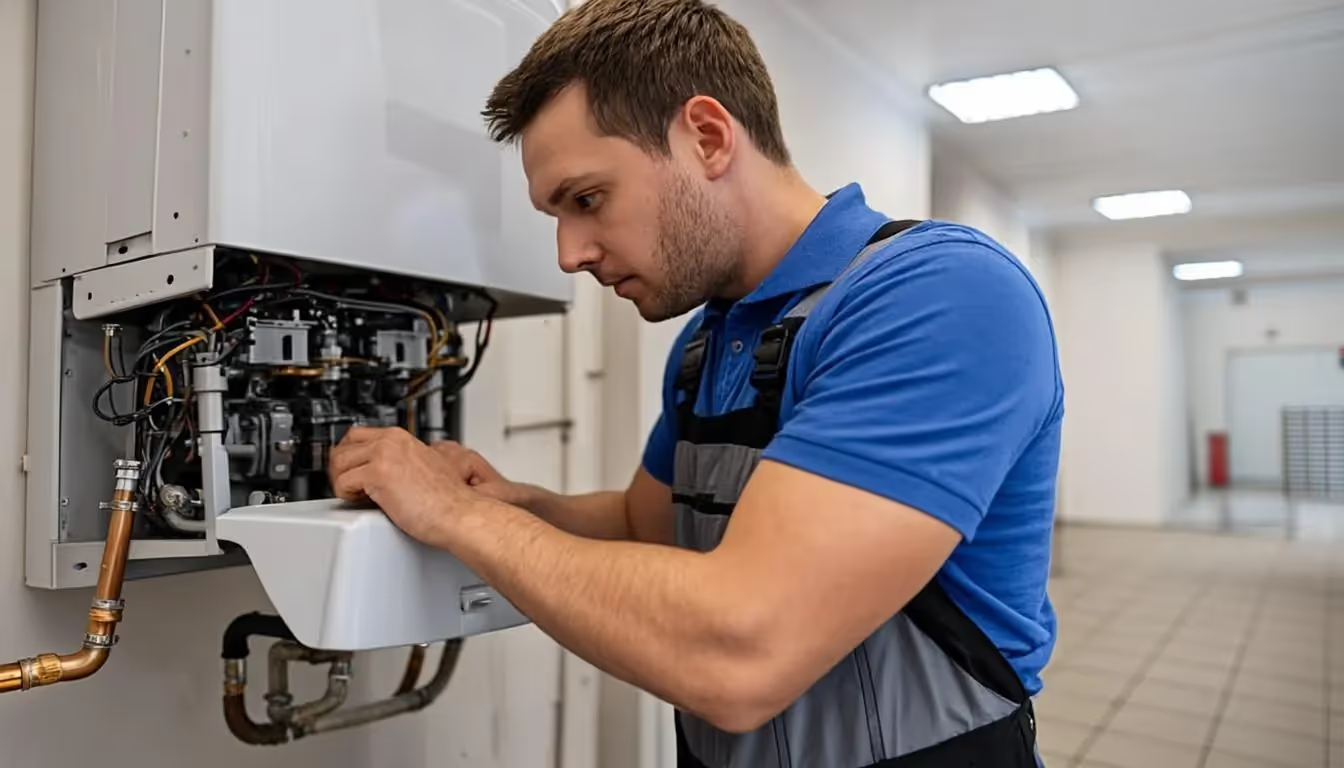
Before you spend a dollar, borrow the $89 diagnostic. Weak airflow everywhere is a blower or filter problem, and a licensed gas fitter can measure static pressure in twenty minutes. That single reading tells you whether your cold room is a furnace-side fault or a delivery-side fact, and the fee is credited toward any repair you approve.
0 jobs since 2010
Heating, cooling and plumbing work across Metro Vancouver, most of it in exactly these older air-distribution homes.
0 star rated
From 26 verified Google reviews, many earned by talking families out of furnace replacements they did not need.
0 static-pressure test
The measurement that separates furnace problems from duct problems before any money moves.
0 degrees of separation
A two-degree room-to-room spread is normal in ducted homes; four degrees or more is a solvable imbalance.
Why Rooms in the Same House Run Different Temperatures
Air is lazy and heat is patient, and both take the easiest path available. A furnace blower pushes warm air into a network of ducts that offers each room a different amount of resistance: long runs lose pressure, upstairs runs fight the natural tendency of warm air to rise, and rooms with two exterior walls lose heat twice as fast as rooms buried in the middle of the floor plan. Stack effect compounds it in two-storey Metro Vancouver homes: warm air buoyantly leaks out the upper floor all winter while cold air infiltrates the lower floor, which is why the bonus room over the garage is cold in every neighbourhood from Kitsilano to Cloverdale.
The construction era matters as much as the physics. Mid-century ranchers in Surrey and Burnaby were built with one thermostat, minimal insulation in places and a single trunk line; the 1980s and 1990s homes of Coquitlam and Langley added floor area faster than they added duct capacity; and the Vancouver Specials of East Vancouver move air through long horizontal runs that leak at every joint a renovator has touched since. None of this is a furnace problem. All of it is why the same 70,000 BTU furnace can hold 21 degrees in the living room and 17 in the back bedroom.
| Cold-room pattern | What usually causes it | First fix to try |
|---|---|---|
| One upstairs bedroom, rest of floor fine | Longest duct run plus stack-effect heat loss | Balance dampers toward that run, seal envelope leaks |
| Entire upstairs floor runs cool | Undersized riser or upstairs return starved | Open an upstairs return path, check riser damper |
| Basement suite is freezing | Supply taps closest to the furnace throttled, or never opened | Rebalance basement branch dampers |
| Room over the garage | Exposed floor cavity, minimal insulation, flex duct pinched at bends | Straighten or replace flex, insulate the cavity |
| Cold room only during outflow winds | North- or east-facing exposure with leaky windows | Weatherstrip and draft-seal before adding equipment |
| Room got colder after a reno | Ducts disconnected, crushed or abandoned in walls | Inspect and reconnect, then rebalance |
The Free Fixes: Balancing Before Buying
Roughly half the cold-room calls we run end with nothing sold, because the fix was time and attention, not equipment. Work this ladder on a weekend afternoon with the furnace running and a thermometer in the cold room. Every step is free.
Throttle the hot rooms first
Close supply registers partway, not fully, in the rooms that overheat. Air pressure follows the path of least resistance, and every register you partially close pushes warm air down the branch serving the cold room. Start with the rooms closest to the furnace, which are stealing the most airflow.
Open the cold room all the way
Fully open the registers and the branch damper, if the cold room has one, in the ductwork near the furnace. Also check that a previous owner, a renovator or a houseguest did not shut the damper lever years ago; a closed lever is the single most common one-line fix we find.
Find the returns
A supply register can only blow into a room if the room can also push air back out through a return grille. If the cold room has no return, leave its door undercut by a couple of centimetres or crack it open; if it has a return, make sure a bed, a dresser or winter clutter is not parked in front of it.
Run the fan continuously
Set the thermostat fan from Auto to On for a test week. Between burner cycles, the blower keeps mixing air around the house, flattening the room-to-room spread. On an ECM blower this costs pennies a day; on an old PSC motor it costs more, so judge it by your electricity bill and your comfort.
Reverse the ceiling fan
In rooms with ceiling fans, run them clockwise on low in winter. Warm air stratifies near the ceiling; a slow clockwise rotation pushes it down the walls instead of drafting the occupants. This alone routinely warms a tall cold room by a degree or two.
Move the furniture
Sofas, headboards and curtains sitting over or in front of registers block surprisingly large amounts of air. Do the hand test at every register in the cold room: if you cannot feel airflow at arm's length, something is in the way, in the room or inside the duct.
Re-test with numbers
Leave the house alone for a few hours and measure the cold room against the thermostat room again. If the gap closed, the imbalance was balanceable, and your job now is holding those settings. If it barely moved, continue to Chapter 4, because the problem is delivery or envelope, not distribution choice.
When Weak Airflow Is the Real Culprit
Before you blame the ducts, make sure the furnace is actually able to move its rated air. A clogged filter chokes the entire system, and the first symptoms always appear at the far ends of the duct network, which is to say, in exactly the rooms that were already marginal. If your cold room got colder gradually over a month or two, and especially if other far rooms cooled with it, the filter is the prime suspect, followed by a blower wheel fouled with dust or a failing blower motor.
There is a filter-quality trap here too. A MERV 13 filter in a duct system designed for MERV 8 can drop airflow enough to cool the far rooms while the near rooms still feel fine, because the blower compensates by pushing harder through the short, fat runs and giving up on the long, thin ones. In wildfire-smoke summers many Metro Vancouver families upgraded filters for good reason, and then forgot to revisit the airflow math in November. If the cold room arrived with a filter upgrade, that is a clue, not a coincidence.
The professional version of this check is a static-pressure reading at the $89 diagnostic, credited to any repair: high static pressure across the filter or the coil points to a restriction, low total airflow points to the blower, and normal numbers with a cold room point squarely back at the ducts and the envelope, which is where the next two chapters go. Our furnace repair service in Vancouver runs those measurements every day, and the heating service pages for your city list the same flat-rate book across the region.
Duct Problems: Leaks, Kinks and Undersized Runs
If balancing fails and the blower numbers are healthy, the branch serving the cold room is losing air on the way. Ducts fail in four boring ways. Flexible duct gets crushed at tight bends or where a tradesperson stepped on it in the attic; sheet-metal joints separate after decades of expansion, venting warm air into the crawlspace or the wall cavity; register boots come loose behind the grille; and some runs are simply undersized for the room they serve, a design shortcut from the original build that only shows up once you insulate or finish the space.
A technician can trace the branch, measure what the run actually delivers against what the room needs, and quote straightening, reconnecting or sealing. On accessible ducts, sealing the leaks in the cold-room branch is one of the highest-comfort returns per dollar in an older home, and it is honest work that scales: leaky supplies leak all winter, every winter. What the fix is not, and this deserves its own paragraph, is duct cleaning.
Duct cleaning removes dust from the air path, it does not add a single cubic metre of airflow to a starved room. A clean but leaky, crushed or undersized duct is still a leaky, crushed or undersized duct. If a duct-cleaning pitch promises to fix a cold room, that is the wrong tool for the problem, and you should be suspicious of anything else on the same invoice.
The Room Itself: Envelope Fixes That Outperform Equipment
The other half of every cold room is heat loss, and no amount of airflow fixes a room that leaks. Hold your hand flat against the window frames, the electrical plates on exterior walls, the baseboards and the attic hatch above the cold room on a windy January day. Anywhere you feel moving air, the room is buying its cold nights one draft at a time. In Metro Vancouver's older housing stock, a north-facing room with original single-pane windows or failed seals can lose more heat than its duct was ever designed to replace.
Sequenced honestly, envelope work beats equipment: weatherstripping and draft-sealing cost almost nothing; attic insulation over the cold room flattens the stratification that makes second-floor rooms miserable; and window replacement is the big move, with double- and triple-pane units that change the room's entire heat balance, covered with real installed prices on our windows and doors service page for Surrey and its city siblings across the region. The test that tells you which layer matters: if the cold room is cold mainly during wind and outflow, the envelope is the problem; if it is cold on still nights too, the delivery is underpowered; and if it is cold both times, you have both, which describes most rooms over unheated garages.
Find Out Why Your Cold Room Is Cold, for $89
The diagnostic is credited toward any repair. You get the static-pressure reading, the branch-by-branch airflow map and an honest list of fixes ordered by return on comfort. Call 604-615-2212 or request a visit online.
When to Stop Balancing and Start Zoning
If the free fixes, the airflow checks and the envelope work have all been done and the room still sits three or four degrees behind the rest of the house, the problem is structural: the duct system cannot deliver what that room needs, and no register trick will change the physics. At that point the honest options are three, ordered by invasiveness.
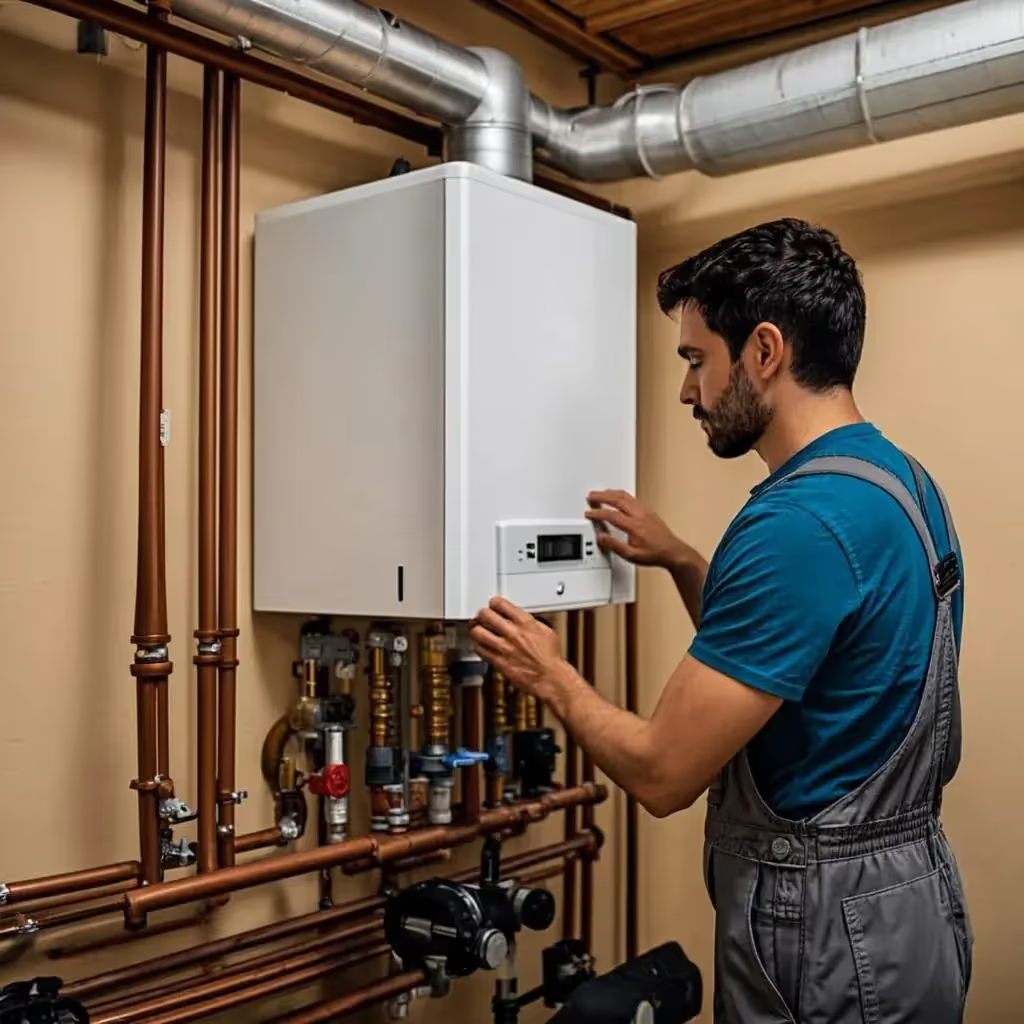
The single-room answer is a ductless head, a wall-mounted unit that heats and cools that one room on its own thermostat, with the compressor outside. A single ductless heat pump install runs $3,800 to $5,500, and it solves the cold room completely while adding summer cooling the room has probably never had. For whole floors, a multi-zone system serving two to four rooms runs $9,500 to $16,000 and lets each zone hold its own schedule, which ends the upstairs-downstairs negotiation permanently. The third path, motorized zone dampers retrofitted into existing ducts, suits some layouts and not others; whether it is even possible in your home depends on the trunk layout, so it is honestly quoted only after a site look, never over the phone.
Because a ductless head is also a heat pump, it comes with the rebate math: combined CleanBC Better Homes, BC Hydro, FortisBC and municipal top-ups can reach $16,000 for cold-climate heat pumps in 2026, and we complete the paperwork. The heat pump crews we run in Surrey and across Metro Vancouver size these one-room solutions conservatively, because an oversized head short cycles exactly like an oversized furnace. And if you are still unsure whether the cold room is a zoning problem or a furnace problem, our guide to a furnace that is not working walks the twelve checks that settle it.
Thermostat Placement: Why One Sensor Cannot Please Every Room
A single-zone furnace holds one number at one point in the house, and wherever that sensor sits defines everyone else's comfort. A thermostat in the sunny hallway calls for less heat all afternoon, and the north bedroom pays for it. A thermostat near the kitchen runs short cycles after cooking, and the far rooms drift. A thermostat in a drafty entryway runs the furnace all evening while the living room bakes. If your cold room shares a zone with a warm room and the sensor lives in the warm one, no balancing will ever fully close the gap, because the system believes the house is already warm.
The cheap experiment is to move the temperature reference: carry a standalone thermometer to the cold room for a day and compare. If the spread is consistent, the fix is either relocating the thermostat to a neutral interior wall, away from supply registers, direct sun, kitchens and exterior doors, or moving to a smart thermostat with remote sensors that average or prioritize the rooms you actually sleep in. Neither approach adds heat, but both make the existing heat land where you feel it, and both are honest fixes for a house that has one thermostat serving rooms with different opinions. For the whole-house version of that seasonal discipline, our Vancouver winter prep checklist covers setbacks, outflow weeks and the rest of the calendar.
The Cost Ladder for a Cold Room
Every number below comes from our flat-rate book or the sanctioned price list we quote against, with the honest caveat that duct sealing, damper retrofits and envelope work are quoted after seeing the house, because the same symptom has ten different causes behind ten different walls. Start at the top of the ladder and stop the moment the room stops being cold.
| Step | Typical cost | What it fixes |
|---|---|---|
| Balancing, dampers, fan-on, furniture, door undercuts | $0, one afternoon | Distribution problems, roughly half of all cold rooms |
| Filter replacement and airflow check | $0 to the price of a filter | System-wide weak airflow that starves the far rooms first |
| Diagnostic with static pressure and branch airflow | $89, credited to any repair | The furnace-versus-ducts question, settled with numbers |
| Furnace-side repairs, blower or ignition faults | $180 - $650 | The minority of cold rooms caused by an actual furnace fault |
| Single ductless heat pump head for the cold room | $3,800 - $5,500 | The structural one-room fix, with cooling included |
| Multi-zone ductless for a whole floor | $9,500 - $16,000 | Every zone on its own thermostat, upstairs-downstairs peace |
| Duct sealing, straightening, zone damper retrofit | Quoted after assessment | Delivery losses in the branch or the trunk, honestly scoped on site |

One financing note for the day the answer is a ductless or multi-zone system: plans run from 7.99 percent with approved credit, which turns a $3,800 to $5,500 single-room fix into a monthly line item smaller than the space heater's electricity bill it replaces, and the paperwork for any applicable heat pump top-ups is handled on your behalf.
The Cold Room Cheat Sheet
Find your situation, do the row, re-test with a thermometer. When two rows apply, do the free one first, every time.
| Your cold room | The next move |
|---|---|
| Got colder over a month, other far rooms too | Check the filter today, $0 |
| Cold only since a renovation | Suspect crushed or disconnected ducts, get the branch inspected |
| Cold only during wind and outflow | Weatherstrip and draft-seal, then re-test |
| Cold on still nights, airflow feels weak at the register | Balance and free fixes first, $0 afternoon |
| Free fixes done, airflow still weak | $89 diagnostic with static pressure, credited to repair |
| Airflow strong but room still cold | Envelope: attic insulation, window seals, then quote the room |
| Whole floor runs behind the other, permanently | Multi-zone quote, $9,500 - $16,000, or ductless per room |
| One stubborn room, structure above reproach | Single ductless head, $3,800 - $5,500, cooling included |
| Someone quoted you a new furnace for one cold room | Get the second opinion first, 604-615-2212 |
Frequently Asked Questions
Services From This Guide
Diagnostics, balancing and zoning installs across Metro Vancouver, 20 cities, seven days a week.
Furnace diagnostics and repair
The $89 diagnostic with static pressure, credited to repairs from $180 to $650, across Metro Vancouver.
Ductless and heat pump installs
One-room heads from $3,800 to $5,500 and multi-zone systems to $16,000 in combined rebates.
Furnace repair Vancouver
Airflow and blower faults diagnosed with measurements, not guesses, seven days a week.
Cooling for the room that bakes in summer
The same cold room that loses winter heat is usually the hot one in July; ductless solves both.
Related Guides
Furnace Not Working? 12 Checks Before You Call
The checks that decide whether your cold rooms are a furnace fault or a delivery problem.
SeasonalVancouver Winter Prep: The Complete Home Checklist
Filters, outflow-week protocol and envelope sealing, the whole-house companion to this guide.
Heat PumpsHeat Pump Vancouver: Costs and Rebates 2026
The full costs and CleanBC stack behind the ductless option for a permanently cold room.

Red Seal certified, licensed gas fitters (BC-PL-2019-4421), $2M insured and 15-plus years in the field, with more than 12,000 jobs completed across Metro Vancouver since 2010 and a 5.0-star rating across 26 Google reviews. We wrote this guide because the most expensive cold-room mistake in BC is replacing a furnace that was never the problem, and the second most expensive is living with a fixable one. To book instead of DIY, see HVAC service in Burnaby — same-day across the city.
More about our team →Solve Your Cold Room for $89
Book the $89 diagnostic, credited to any repair, or a free estimate on a ductless or multi-zone fix. You get the static-pressure reading, the branch airflow map and a written price for every option from free balancing to zoning, with financing from 7.99 percent if equipment wins. Zero obligation. If you would rather hand this to a pro, our heating & furnace services pages cover Metro Vancouver.
House cold right now?
The 24/7 line is answered around the clock with live dispatch and a flat $150 after-hours premium posted in advance. Daytime diagnostics are usually same-day in Vancouver, Burnaby and Surrey.
Call 604-615-2212 WhatsApp Us