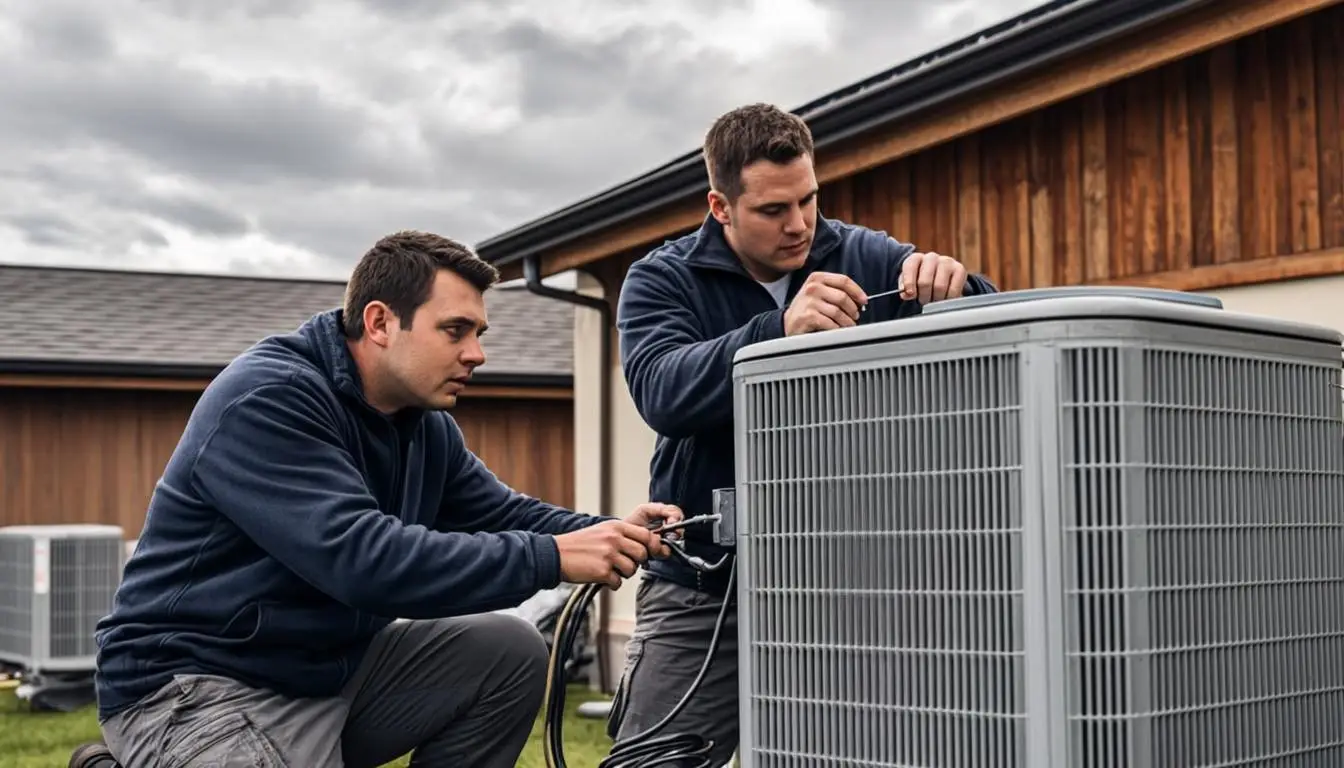
The Honest Answer Up Front
A cold-climate heat pump, the class that holds its rated heating capacity at -15°C and keeps 70 to 80 percent of it at -25°C, costs $6,500 to $16,000 installed in BC in 2026 depending on class and delivery: $6,500 to $10,000 for ducted single-unit systems in the mid brand tiers, $9,000 to $16,000 for premium cold-climate ducted units from Daikin, Mitsubishi Electric and their tier, and $3,800 to $5,500 per zone for ductless, with multi-zone ductless passing $9,000 to $16,000 as heads add up. Those are real installed numbers, commissioning included, before a dollar of rebates.
The rebate stack is the part that changes lives: CleanBC, BC Hydro and FortisBC programs can return up to $16,000 on a qualifying cold-climate installation, with income-qualified tracks reaching further. The conditions are the honest fine print: qualifying equipment lists, a load calculation, and for some programs an EnerGuide evaluation, which is why our quotes carry the paperwork as part of the job. Program caps move by program year, so we confirm current terms at quote time rather than quoting from memory, and the numbers in this guide are the 2026 program-year figures we verify against.
The asterisk on the whole category is backup heat, and there are exactly three honest versions: electric resistance strips, cheapest to install and most expensive to run; dual fuel, a gas or propane furnace as backup, the comfort-first answer and the strategy our carbon tax math favors on big homes; and oversizing the heat pump itself, sometimes right, always a conversation with a Manual J, never a brochure claim. What is dishonest is selling a BC winter a heat pump with none of the three discussed, because the cold night always arrives and the bill follows it. Our heat pump program page tracks the current stack, and the crews behind it cover Vancouver through Surrey and Langley.
$0-$0 installed
Before incentives, by class and delivery: ducted, ductless, premium cold-climate tiers. Commissioning and startup included.
Up to $0 back
The 2026 rebate stack: CleanBC + BC Hydro + FortisBC on qualifying installs, income-qualified tracks reach further. Terms verified at quote.
-0°C the rating that matters
Holds 100% of rated heating capacity at -15°C and 70-80% at -25°C. Ask for the capacity table, not the brochure.
The Equipment Classes, Priced
Cold-climate is a spec, not a slogan, and the price bands follow the class honestly. What separates a $6,800 machine from a $14,000 one is rated capacity at deep temperatures, sound rating, modulation range, and the controls integration that makes zoned or dual-fuel strategies work. The table is our 2026 flat-rate reality across the twelve cities we serve.
| Class and delivery | Holds at -15°C / -25°C | 2026 installed | Honest fit |
|---|---|---|---|
| Ducted mid-tier cold-climate | 100% / 70-80% | $6,500-$10,000 | Homes with sound ductwork replacing an AC or furnace end of life; the value band |
| Ducted premium cold-climate | 100% / 75-85% | $9,000-$16,000 | Comfort-first homes, bigger loads, low-sound requirements, premium brands |
| Ductless single zone | 100% / 70-80% | $3,800-$5,500/zone | Baseboard or boiler homes adding cooling; bedrooms and west-facing rooms first |
| Ductless multi-zone | 100% / 70-80% | $9,000-$16,000 | Whole-house conversions without ducts; heat-pump-ready envelopes |
| Dual-fuel integration | 100% / n/a (furnace below) | add $1,500-$4,000 | Mating a heat pump to an existing gas or propane furnace; the strategy chapter below |
Two brand shelves matter here as everywhere: Daikin and Mitsubishi Electric set the premium cold-climate benchmark in BC, with Carrier, Trane and Lennox strong behind them, while Goodman and Rheem carry the value band where the cold-climate ratings are real but thinner at the deep end. Our Daikin versus Mitsubishi comparison and the best HVAC companies roundup cover how installer quality interacts with brand choice, which is the real variable.
What Is Actually in the Number
A cold-climate install is more labour than a furnace changeout, and the quote should show it. Beyond equipment: the line set or duct adaptation, a properly sized and placed pad or brackets with snow clearance and drainage thought through, condensate management that does not freeze, electrical work where a 240-volt circuit or breaker changes are needed, the outdoor unit placed for airflow and service access, commissioning with the capacity table verified at startup, and the rebate paperwork done in your name. In older homes, Step Code envelopes and the 2026 cooling requirement both push the same direction: better envelope, smaller heat pump, better numbers on both sides of the ledger.
The honest sizing note: cold-climate units are sold on capacity at temperature, and the correct size is the one a Manual J calculation produces, not the one that makes the rebate paperwork easiest. Oversizing short-cycles through the shoulder seasons and hurts dehumidification in summer; undersizing leans on backup heat and the Step 2 electric rate. Our quotes include the load calculation as a deliverable, which the rebate programs increasingly require anyway, and our what size do I need guide explains the sizing conversation in plain language.
Backup Heat, Priced Three Ways
Every honest BC heat pump conversation includes the cold-night plan, because the plan is what the equipment cannot do alone. The three versions, priced: electric resistance strips, $1,000 to $2,500 to add, cheap heat in an emergency and expensive heat as a habit, the Step 2 electric rate makes a week of strip heat the most expensive heat in the province. Dual fuel, $1,500 to $4,000 to integrate with an existing furnace, gas or propane carrying only the deep nights, the strategy our time-of-use pricing guide favors on larger homes and anything beyond the gas main. And the integrated answer: some premium cold-climate units are simply sized and commissioned to carry the load, with strips as the last resort rather than the plan.
The dual-fuel sweet spot
For a house that already owns a sound furnace, dual fuel is the highest-leverage upgrade in BC HVAC: the heat pump carries the 85 to 95 percent of winter hours above -5°C on BC Hydro rates, the furnace takes the deep nights, and nobody's comfort depends on a single machine through a cold snap. The operating math, worked from real bills, is in our heat pump primer: a typical 2,400-square-foot conversion nets $30 to $60 a month across the deepest weeks versus the gas-only alternative, before the cooling bonus that arrives free with the category.
What backup heat never means
It never means a space heater strategy or a fireplace-as-primary plan sold as a feature. And it never means a resistance strip bank quietly doing January's work, which shows up as a February bill. Our heat pump service cost guide covers the maintenance that keeps the rated capacity honest, because a neglected coil or a low charge quietly converts a cold-climate unit into a mild-climate one.

The Rebate Stack That Actually Pays
The 2026 stack: CleanBC Better Homes on qualifying cold-climate equipment, BC Hydro tracks for heat pumps including the financing program we cover in a separate guide this winter, FortisBC programs where gas service exists, and municipal top-ups tracked in our municipal roundup. Income-qualified tracks reach further, and our income-qualified guide lists the current household thresholds. The stack is why a mid-band install can land in four figures net: the conditions, qualifying lists, load calculation, commissioned performance, and for some tracks an EnerGuide evaluation, are paperwork that protects you as much as it pays you.
| Program layer | 2026 reality | The honest catch |
|---|---|---|
| CleanBC Better Homes | Up to $4,000 base on qualifying cold-climate heat pumps, deeper for income-qualified | Qualifying equipment list and installation requirements; confirm current program-year terms |
| BC Hydro | Heat pump tracks incl. financing on qualifying equipment | On-bill repayment; program caps move by year |
| FortisBC | Up to $5,000 on cold-climate where gas service exists | Dual-fuel and dual-program stacking has rules; read them before you sign |
| Municipal add-ons | Varies by city, some Metro Van cities top up | Usually stacks with provincial; check our municipal roundup |
| Our paperwork | Included in the quote | Rebate filings done in your name; approvals are the program's call, not a promise |
The one warning that saves the most money: never buy equipment to chase a rebate. Buy the machine the load calculation says, then take every dollar the programs will pay for it. Our CleanBC guide is the current reference we work from, and it says the same thing the fine print says: the rebate follows the qualifying install, not the other way around.
The Operating Math, Honestly Run
Run against the furnace it replaces, a cold-climate heat pump in Metro Vancouver trades a FortisBC gas bill for a larger BC Hydro bill, and the winner depends on the winter, the envelope, and the backup strategy. The honest pattern from our customers' bills: on the coast, where design loads sit near -7°C, all-electric cold-climate heat pumps mostly win the annual math outright, with the margin widest in Vancouver and Burnaby envelopes built after 2000. In the valley and on the ridge, where -12°C and colder arrive every winter, dual fuel wins more often, and our Abbotsford crews price both futures side by side in writing.
The cooling side is the quiet bonus: every heat pump is a first-rate air conditioner, and after the 2021 heat dome, heat dome preparedness is a category with its own math. The same machine that carries January also carries the July week that ends the we-don't-need-AC era, which is why the category has taken over so much of the BC market: one decision, both extremes.
A heat pump is not a furnace that runs on electricity. It is a different machine with a different job description, and in BC the job description is January and July in the same cabinet.
Ducted or Ductless: The Delivery Decision
The equipment class is half the decision; the delivery is the other half, and BC houses split cleanly into two camps. Ducted houses, anything with a furnace or an air handler already moving air, take a ducted cold-climate unit that reuses the existing trunk lines, usually at $6,500 to $10,000 mid-tier, with duct sealing as the highest-value line item on the quote, because a leaking duct system wastes more capacity than the brand tier ever adds. Baseboard and boiler houses, the Vancouver special and decades of electric heat, take ductless: one head per living zone at $3,800 to $5,500, bedrooms prioritized, the main floor usually one multi-position head, and the economics look completely different because there is no duct system to amortize.
The honest hybrid is more common than either camp admits: ductless heads for the bedrooms that overheat in July and freeze in January, a ducted or single-zone unit for the main floor, all on one outdoor unit where the refrigerant circuits allow it. Our ductless versus central comparison covers the same fork on the cooling side, and the answer rhymes: the house decides, the brochure does not. If a contractor quotes a system without asking what the rooms actually do at 2 a.m. in January and 4 p.m. in July, the quote is a guess wearing a logo.
The First-Year Ownership Rhythm
The first year with a cold-climate heat pump is a learning curve in three acts, and knowing them in advance saves money. Act one, the first fall: book the commissioning walkthrough, learn the balance point and backup settings on the thermostat, and watch the system run a full defrost cycle while the installer is still reachable. Act two, the first deep snap: the system will run long hours, the backup may fire for real, and the electric bill will say so, which is normal and survivable when the strategy was designed, alarming when it was improvised. Act three, the first summer: discover that the machine you bought for January is also the best air conditioner the house has ever had, and that the dehumidification matters as much as the temperature on the muggy weeks the coast now gets.
The bill pattern to expect, honestly: BC Hydro rises, FortisBC falls, and the net depends on your rate mix and envelope, with the widest wins on the coast and the closest calls in the valley. Our customers track the first year and then decide whether to tune, and the two tuning levers are the balance point and the backup lockout, both thermostat settings our techs adjust during the service visits. The maintenance calendar is twice a year, $129 to $250 a visit, and the fall visit is the one that matters, because defrost verification before the cold season is the difference between a cold-climate unit and an iced one with a brochure.
Install Day and the First Winter
A ducted cold-climate changeout runs one to two days: outdoor unit set and leveled on pad or brackets with snow clearance considered, line set run and insulated, indoor unit or air handler adapted to the ducts, electrical connected and verified, vacuum and pressure test, charge weighed in, commissioning against the capacity table, and a startup sheet you keep. Ductless adds a head per zone, each a half-day increment, with line-set routing the variable that moves quotes. The first winter tells the truth: a commissioned system holds setpoint through the snap; a rushed one leans on backup heat and shows you which it was on the bill.
The maintenance rhythm after that, $129 to $250 a visit twice a year on heat pump duty, is in our service cost guide, and the filter discipline that keeps rated capacity honest is in our filter calendar guide this winter. Book the fall visit before the queue, and treat the defrost check as the item that matters, because defrost is the difference between a cold-climate unit and an iced one.
The Cold-Climate Heat Pump Cheat Sheet
The kitchen-table questions, answered the way the cold snap arrives.
| Question | The honest answer |
|---|---|
| What does it cost installed? | $6,500-$16,000 before rebates by class: ducted mid-tier $6,500-$10,000, premium $9,000-$16,000, ductless $3,800-$5,500 a zone |
| What comes back? | Up to $16,000 through the CleanBC, BC Hydro and FortisBC stack on qualifying installs; income-qualified reaches further |
| What does cold-climate mean? | 100% of rated heating capacity at -15°C, 70-80% at -25°C. Ask for the capacity table at temperature |
| What about the deep nights? | Backup heat, three honest ways: strips, dual fuel, or a unit sized and commissioned to carry it. Never none of the three |
| Heat pump or furnace? | Coast envelopes: heat pump mostly wins outright. Valley and ridge: dual fuel wins more often. We price both futures in writing |
| Sizing? | Manual J or nothing. Oversizing short-cycles and dehumidifies poorly; undersizing leans on expensive backup |
| How long to install? | 1-2 days ducted, half a day per ductless zone, commissioning sheet at handover, rebate paperwork in your name |
| Maintenance? | Twice a year, $129-$250: fall heating-side and defrost check, spring cooling-side and coil wash |
One line to keep: buy the class your load calculation names, take every rebate dollar the programs pay for it, and call 604-615-2212 for an estimate that prices both futures, heat-pump and furnace, side by side.
Price Your Cold-Climate Heat Pump Both Ways
A free estimate covers class options, the load calculation, backup-heat strategy, rebate paperwork and both futures run in writing. Coast, valley or ridge, the honest number is the one your house produces.
Frequently Asked Questions
Services From This Guide
Licensed installers, flat-rate quotes, commissioning sheets and 24/7 response across the twelve Metro Vancouver cities we serve.
Heat Pumps Vancouver
Cold-climate installs with backup strategy, $6,500-$16,000 before the stack.
Heat Pumps Surrey
Dual-fuel integrations and whole-home conversions, rebates filed for you.
Heat Pump Repair Abbotsford
Valley-rated service: defrost checks, coil washes, capacity verified.
24/7 Emergency
No-heat response with flat after-hours pricing posted in advance.
Related Guides
Heat Pumps in Metro Vancouver
The primer on ratings, sizing and the operating math, coast edition.
RebatesCleanBC and BC Hydro Rebates
The up-to-$16,000 stack explained without the fine-print fog.
ComparisonsDaikin vs Mitsubishi Heat Pumps
The premium cold-climate shelf, compared on capacity and warranty.
BC Home Service installs and services cold-climate heat pumps across twelve Metro Vancouver cities and the Fraser Valley: Red Seal certified, licensed gas fitters BC-PL-2019-4421, 12,000+ jobs since 2010. This cost guide is written from our own flat-rate job history and our customers' actual bills, with rebate terms verified against the current program year.
More about our team →Get Your Cold-Climate Heat Pump Estimate
A free estimate covers class options, the load calculation, backup-heat strategy, both futures run in writing, and the rebate paperwork done in your name.
Deep snap coming?
24/7 response with a flat $150 after-hours premium posted in advance, and commissioning sheets that prove the backup strategy works. The cold night always arrives; the plan makes it boring.
Call 604-615-2212 WhatsApp Us