The Honest Answer Up Front
For most Metro Vancouver homes facing a full replacement, a cold-climate heat pump is the better buy in 2026: it covers our winters, it adds summer cooling the furnace cannot give, and it captures an incentive stack a gas furnace simply cannot touch. For a meaningful minority of homes, a furnace remains the right call, and the honest reasons are concrete: a serviceable furnace under ten years old, a house in the valley's coldest pockets, ductwork or electrical limits, or a budget where the cheapest reliable path today beats the cheapest lifetime path. Anyone who tells you one machine wins every house is selling you the one they stock.
The decision runs on six factors, and none of them is brand loyalty: your climate pocket, your current equipment and fuel, your ducts, your cooling needs, your budget, and how long you will own the house. This guide works them in order, with real numbers, and finishes with the five questions that settle most households in ten minutes. Our heat pump installation service and our furnace installation service sit on both sides of the fork, which is exactly why the guide reads the way it does: we quote both paths with the same heat-loss assessment and let your house cast the deciding vote.
One framing note before the numbers. After 12,000-plus jobs since 2010, the pattern is unambiguous: homeowners regret the decision they made on a bad day, in a cold house, under time pressure, far more often than they regret either machine chosen on purpose. The purpose of this guide is to move the decision out of the emergency and into the planning, where both options get quoted flat-rate and neither gets chosen for you.
The heat pump versus furnace question is not a philosophy debate. It is six measurable facts about your house. Get the facts measured and the debate ends itself.
0 jobs since 2010
Both machines installed, both serviced, no stake in which one your house chooses.
0 incentive ceiling
Combined 2026 rebate top for cold-climate heat pumps, filed by us. Furnaces draw no equivalent stack.
0 star rated
26 verified Google reviews, a share of them second opinions where we talked people out of the wrong machine.
0 quoted flat
Every estimate prices both options in writing from one heat-loss assessment. The comparison is the service.
Two Machines, Two Kinds of Physics
A furnace is a fire in a box, refined for a century. Gas burns in a sealed heat exchanger, combustion products vent outside, and a blower pushes household air over the hot metal and through the ducts. Every unit of heat delivered cost you one unit of fuel, minus chimney losses. The best condensing furnaces convert about 96 percent of the fuel's energy into warm air, and that is the hard ceiling of the technology: no furnace will ever deliver more heat than the gas it burns.
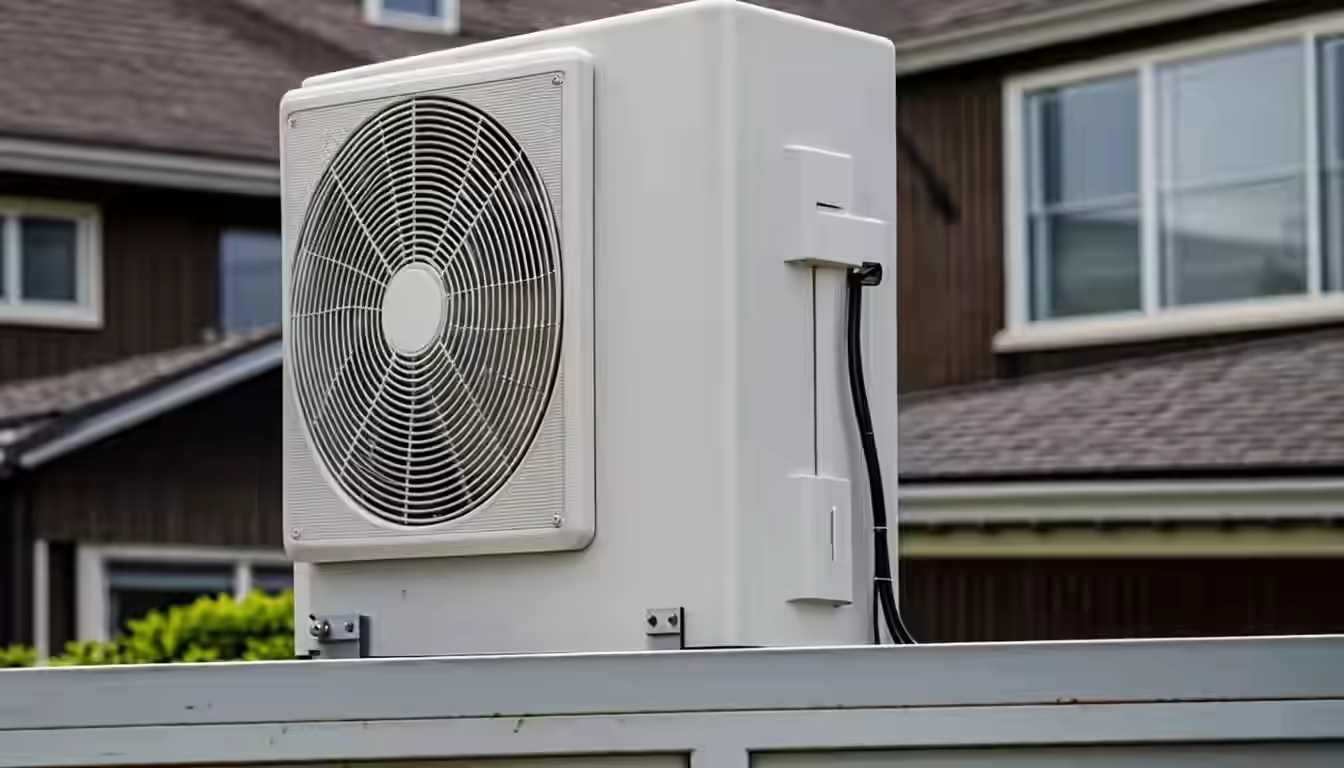
A heat pump does not make heat, it moves it, and that difference is the entire story. Electricity drives a compressor that pumps refrigerant through two coils, absorbing heat from outdoor air, even cold outdoor air, and releasing it indoors. Because most of the delivered heat is harvested rather than generated, a heat pump routinely delivers two to four units of heat per unit of electricity, a seasonal COP of roughly 2.5 to 3 in our climate. Even the finest furnace, burning its 96-percent-perfect flame, is competing against a machine that is effectively 250 to 300 percent "efficient" by the only measure your wallet cares about.
The furnace answers back on certainty. Combustion output is constant regardless of outdoor temperature: a 60,000 BTU furnace delivers 60,000 BTU at +5°C and at -15°C alike, while a heat pump's output declines as the air it harvests from gets colder. Furnace heat is intense, 55°C to 60°C at the registers, and its fuel supply keeps working through power outages in homes with older gravity or generator backup arrangements, an edge that matters more in the valley than the coast. The heat pump answers back with modulation: variable-speed units run long, quiet, near-constant cycles at exactly the capacity the house needs, holding temperature within fractions of a degree instead of the furnace's blast-and-drift rhythm.
Neither machine is a compromise in 2026. The furnace is the mature perfection of combustion heating, the heat pump is the mature perfection of thermodynamic moving, and the choice between them is genuinely about which physics suits your house, your climate pocket and your fuel bills. Chapter 3 makes that local.
What the BC Climate Does to the Math
Metro Vancouver is the fairest fight this comparison gets anywhere in Canada. Heating design temperatures sit around -5°C to -7°C on the coast, the season is long but mild, and the brutal weeks are rare: every few winters an arctic outflow parks -10°C to -15°C air over the region for three days to a fortnight. A cold-climate heat pump that holds 70 to 80 percent of capacity at -15°C finds that our ordinary weather barely challenges it and our worst weather merely works it. In Saskatoon this comparison has a winner; here it has a debate, which is why the other five factors carry the decision.
Geography still tilts the field. Vancouver, Burnaby, Richmond and the North Shore are close to textbook heat pump country, and our Vancouver heat pump installs are overwhelmingly heat-pump-only homes. Surrey, Coquitlam, Langley and Delta run a touch colder on clear nights but stay firmly in the same camp with ordinary sizing care. Abbotsford and the valley floor are where outflow air pools and -15°C hours become routine; there, the furnace or a dual fuel pairing keeps a real constituency, and our honest quotes there include backup-heat planning the coastal ones skip. The same house relocated forty kilometres east changes the answer, and any quote that ignores that gradient was written from a spreadsheet.
The fuel landscape completes the picture. BC Hydro electricity is among the least expensive in North America, a gift of geography and hydro dams that most heat pump comparisons elsewhere do not enjoy, while natural gas prices float with continental markets. Low power prices widen the heat pump's operating advantage in our region relative to almost anywhere else on the continent, which is why the same equipment that is marginal in Ontario or the Maritimes is often decisive here. When gas is cheap, the gap narrows and the furnace loyalists get their season; the long-run trajectory of carbon pricing and incentive programs points the other way, which Chapter 9 covers without editorializing.
Installed Costs, Side by Side
Sticker prices first, then the two adjustments that make the comparison honest. These are our real flat-rate Metro Vancouver ranges, the same ones that appear on written quotes, and within any range the drivers are capacity, efficiency tier, ductwork condition and the electrical or gas work the site needs.
| Equipment path | Installed range | What it gives you |
|---|---|---|
| 80-percent gas furnace | from $3,800 | Heat only, budget path, minimum efficiency tier |
| High-efficiency gas furnace | $5,500-$9,000 | Heat only, 96-percent tier, two-stage and ECM options |
| Furnace + central AC | $5,500-$9,000 + $3,800-$6,500 | Heat and cooling as two machines: furnace plus separate air conditioner |
| Cold-climate heat pump, ducted | $6,500-$14,000 | Heat and cooling, one system, rebate-eligible |
| Heat pump, single-zone ductless | $3,800-$5,500 | One room or suite, heat and cooling, easiest entry |
| Heat pump, multi-zone ductless | $9,500-$16,000 | Whole home without ducts, room-by-room control |
Adjustment one: compare complete outcomes, not machines. A furnace-only quote is not the same purchase as a heat pump quote, because the heat pump price includes summer cooling the furnace household will otherwise buy separately at $3,800 to $6,500, and the two-machine path also means two yearly maintenance visits, two warranties and two eventual replacements. When the cooling need is real, the honest comparison is furnace-plus-AC against heat pump, and that ledger looks very different from the furnace-only one.
Adjustment two: incentives. Combined CleanBC Better Homes, BC Hydro, FortisBC and municipal top-ups can reach $16,000 for cold-climate heat pumps in 2026 — we complete the paperwork. The programs specifically reward heat pumps that displace fossil-fuel heating, which means the gas furnace path receives no comparable stack, and the effective installed gap between the two paths narrows dramatically or inverts entirely for fuel-switching homes. The 2026 CleanBC rebates guide has the program-by-program detail; the sizing caveat matters here too, since only certified cold-climate equipment qualifies for the top tiers.
The Monthly Operating Math
Operating cost is where the comparison gets personal, because it multiplies over fifteen-plus years and it depends on four inputs no article can know for you: your electricity rate, your gas rate, your house's heat loss, and how the heat pump is run. What we can do is show the structure of the math and where the answer flips.
The furnace side is simple: gas burned, at 80 to 96 percent conversion, plus a little blower electricity. The heat pump side is a seasonal average: COPs of 3-plus through the long shoulder season, around 2 near 0°C, and 1.5 to 2 during the rare deep weeks. Averaged across a Metro Vancouver winter, seasonal COP of 2.5 to 3 means each unit of electricity brings two to three units of heat, and with BC electricity among the cheapest on the continent, the heat pump's monthly heating cost lands competitive with a 96-percent furnace most years, decisively better than an 80-percent unit, and unbeatable against electric baseboards, which it beats by roughly half to two-thirds. The crossover variables are gas prices in any given year and how cold the specific winter runs: cheap gas plus a warm winter flatters the furnace; the normal pattern here favours the heat pump or a near-tie, with the heat pump pulling ahead the moment cooling is counted.
Three honest footnotes belong in the math. First, auxiliary resistance heat is the saboteur: a heat pump that leans on backup strips through January runs at COP 1 exactly when rates matter most, and that outcome is a sizing failure, not an equipment truth. Second, the furnace household pays a fixed gas service charge whether it burns much or little, and fuel-switching homes sometimes eliminate that line item entirely, a savings the unit-comparison misses. Third, conservation behaviour, setbacks, fan habits, filter discipline, moves both machines, but it moves the heat pump less, because modulation recovers from setbacks efficiently while the furnace pays a fuel penalty to reheat. We run the real arithmetic on twelve months of your actual bills during the estimate, because generic tables have kept more homeowners wrong than right.
The Cooling Factor Nobody Prices In
Ten years ago a Vancouver furnace comparison could ignore summer, because coastal summers barely demanded cooling. That decade is over. Heat domes now arrive most years, overnight lows during those events stay tropical, and a house that hits 31°C indoors at midnight is not a quirky coastal story anymore, it is a health issue for kids and seniors. In our current service mix, cooling is the single most common reason homeowners open the replacement conversation at all.
A furnace has no answer to any of that. The cooling path from a furnace household runs through a separate central air conditioner at $3,800 to $6,500, its own condenser, refrigerant circuit, maintenance and lifespan, or through window units and portables that dump heat back into the rooms they cool and hum all night doing it. A heat pump is the answer by being the same machine: the identical refrigeration loop that heats in January cools in July, at SEER2 efficiency levels that make window units look like resistance wire. The purchase price of the heat pump path effectively contains the air conditioner, which is why Chapter 4 insisted the honest comparison is furnace-plus-AC versus heat pump, not furnace alone.
The cooling factor also breaks the tie for the growing group of homes with ductless heads or hybrid layouts: a multi-zone heat pump gives bedroom cooling that a central furnace-plus-AC arrangement delivers poorly, because central systems cool the whole house to fix one hot room while a head cools exactly the room that needs it. If your July nights are part of the reason you are reading this, weight this chapter heavily, because no furnace improvement in any price tier changes a word of it.
Lifespan, Repairs and Maintenance
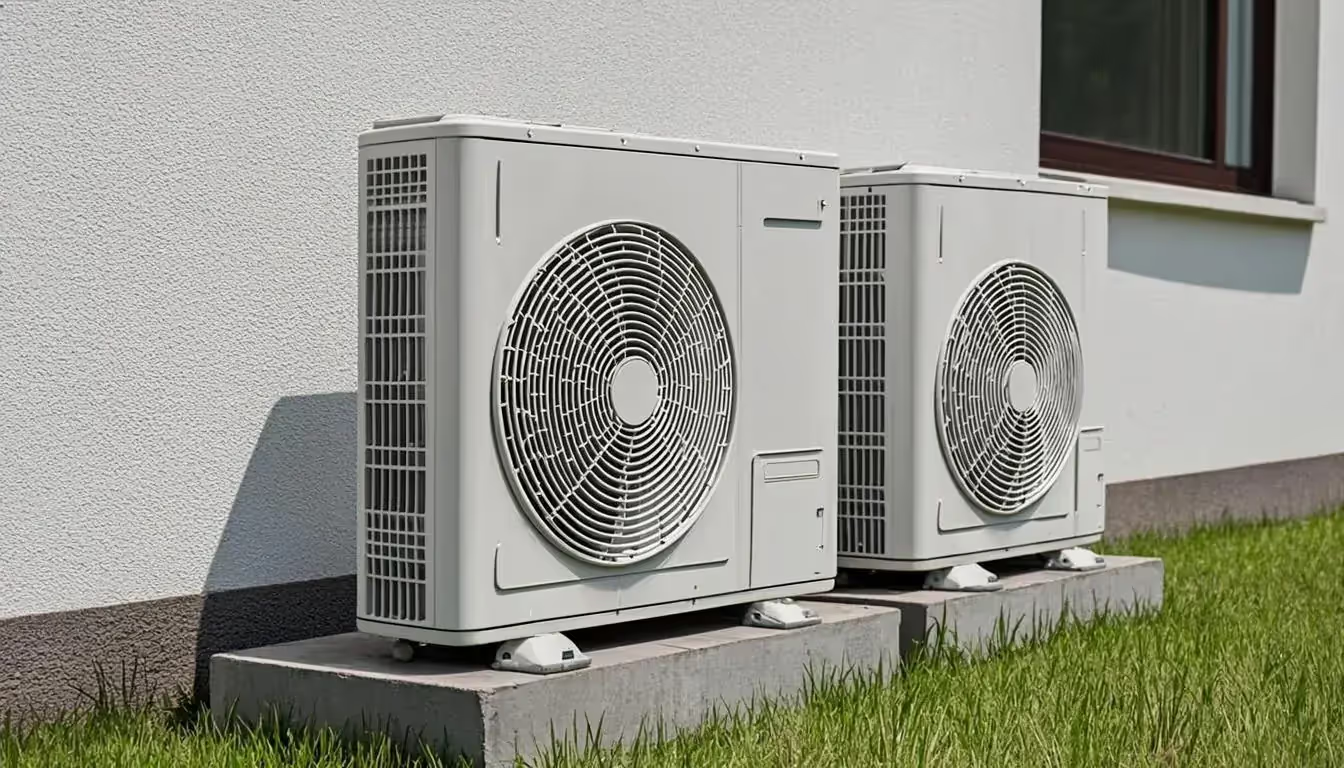
A well-maintained gas furnace in this climate runs 15 to 20 years, and Metro Vancouver is gentle on them, our heating hours are low and coastal dust is mild. A heat pump in the same house runs 10 to 15 years, not because it is built worse but because it runs three seasons, heating, cooling and the shoulder defrost months, and accumulates compressor hours a sleeping furnace never sees. The honest lifetime-cost view prices both machines accordingly: the furnace may be replaced once per heat pump replacement cycle, but the heat pump replaces the AC cycle too, so the two paths trade blows rather than one dominating.
Repair mixes differ in ways worth knowing before you own one. Furnace repairs here, $180 to $650 in our flat-rate book, cluster around flame sensors, igniters, inducers and control boards, with the heat exchanger crack as the rare career-ender. Heat pump repairs land more often in capacitors, contactors, fan motors and the occasional refrigerant leak, and the inverter boards that make modern units brilliant are not cheap when they fail. The $89 diagnostic, credited toward any resulting repair, applies to both machines, and our furnace repair versus replace guide covers the five rules that decide the furnace side of that coin.
Maintenance is where the heat pump quietly costs less attention than its reputation suggests. The furnace wants its $129 annual tune-up, combustion analysis and safety checks that genuinely matter with a flame in the house. The heat pump's annual visit is filter and coil care, refrigerant and electrical verification, no combustion analysis because there is no combustion, and no carbon monoxide risk because there is no flame, a safety asymmetry that deserves a sentence of its own: heat pumps remove the CO detector from the replacement conversation entirely. DIY duties are similar on both sides, filters on schedule, registers clear, outdoor unit unburied, and cheap on both.
Six Metro Vancouver Scenarios, Answered
Most households recognize themselves in one of these six, and in our experience the recognition is worth more than the theory. Find your row and read the verdict, then sanity-check it against the decision path in Chapter 10.
1960s Vancouver special, original ducts, electric baseboard
Heat pump, almost always. You are the rebate stack's favourite customer, baseboard bills drop by more than half, and ductless heads sidestep the duct question entirely.
Surrey family home, 22-year-old furnace, no AC
Cold-climate ducted heat pump. The furnace is at end-of-life, the AC you want is included, and the rebate stack lands while the ducts are still serviceable.
Same house, but the furnace is 7 years old
Keep it and add a heat pump as the primary stage, a dual fuel pairing. The furnace becomes your backup stage and cooling, and no working equipment gets scrapped.
Abbotsford floor plan, exposed to the outflow
Heat pump with conservative sizing and a real backup plan, or dual fuel. The valley's -15°C hours earn their insurance here.
Closed-up house, selling in three years
Lean cheap and reliable, which often means the 80-percent furnace path from $3,800, unless the buyer pool is paying a premium for cooling and low bills, in which case the heat pump is the listing asset.
One cold bedroom, everything else fine
Neither machine. A single $3,800 to $5,500 ductless head solves the room and the argument, and no one should sell you a whole system for a one-room problem.
Emissions, Code and the 2026 Direction
The policy context matters in this decision more than in most, and it deserves a factual paragraph rather than a sermon. BC's electrical grid is overwhelmingly hydro, which gives a heat pump here a carbon footprint dramatically lower than a gas furnace's for the same heat, and the province's incentive programs, the same CleanBC Better Homes, BC Hydro and FortisBC stack that reaches $16,000, are built precisely to accelerate that switch. Municipal governments in the region have also begun steering new construction toward electric heating in various ways, and the building code's efficiency steps keep raising the bar every building renewal must clear.
What that means for a homeowner deciding today, stripped of politics: the incentive money and the code direction both currently reward the heat pump path, and neither shows signs of reversing. Gas furnaces remain fully legal, fully serviceable and fully supported, we install and tune them weekly and will for decades, and nobody should be frightened out of one. But the total-cost ledger in 2026 includes a policy tailwind on one side of the fork, and a homeowner deserves to see it stated plainly rather than discover it later.
The emissions point, stated once and without moralizing: if your electricity is BC Hydro hydro and your alternative is a gas flame, the heat pump cuts your heating emissions sharply, and for households where that matters, it is a real factor that stacks with the bill math rather than competing against it. Our job is the honest ledger either way, and the ledger is what the rest of this guide has been building.
The Five-Question Decision Path
Work these in order with your household at the table. Most families have their answer by question four, and the remaining question is only about timing.
Do you want cooling?
If yes or even probably, the heat pump path has already won the honest comparison, because the furnace path must buy a second machine to match it.
How old is the current furnace?
Under about ten years and healthy: pairing becomes attractive. Fifteen-plus or failing: the fork is fully open and the rebate stack pulls hard.
Where is the house?
Coast and most of the region: heat pump carries it. Deepest valley pockets and exposed siting: weight backup heat or dual fuel accordingly.
What are you heating with today?
Baseboards or oil: run, do not walk, to the heat pump quote. Gas: the operating math is a genuine near-tie and questions one through three decide it.
How long will you own it?
Ten years-plus: lifetime math and incentives dominate. Selling soon: cheapest reliable heat plus a cooling story for the listing usually wins.
Then one phone call makes it real. The Vancouver heat pump guide details the equipment side of what you would buy; our estimate visit puts both paths in writing, from the same heat-loss assessment, with the rebates already applied. Whichever machine your house votes for, you will own the decision, because you will have made it on numbers.
The One-Page Cheat Sheet
The whole fork, compressed. Tape it beside the quotes, and remember the meta-rule: any quote that did not measure your house can be safely ignored.
| Question | The answer |
|---|---|
| Furnace installed cost? | From $3,800 at 80 percent; $5,500-$9,000 high-efficiency |
| Heat pump installed cost? | $6,500-$14,000 ducted; $9,500-$16,000 multi-zone; $3,800-$5,500 one zone |
| Cooling? | Furnace: add $3,800-$6,500. Heat pump: included |
| Rebates? | Up to $16,000 combined on cold-climate heat pumps in 2026, paperwork filed by us |
| Operating comparison? | Heat pump beats baseboards by half to two-thirds; near-tie with a 96-percent furnace most years |
| Lifespan? | Furnace 15-20 years, heat pump 10-15, but the heat pump covers the AC cycle too |
| Young furnace? | Keep it, add the heat pump as primary: dual fuel |
| Who decides? | Your climate pocket, ducts, bills and years of ownership, measured on site |
Frequently Asked Questions
Services From This Guide
Replacement estimates on both paths, heat-loss sizing, operating-cost math on your actual bills, and rebate paperwork handled across Metro Vancouver.
Heat pump installation
Cold-climate, ducted and ductless installs sized from real heat-loss math, with the rebate stack filed for you.
Furnace install and repair
The other side of the fork: honest furnace replacement, the $129 tune-up and repairs from $180 to $650, flat-rate.
Heat pump Vancouver
City-specific installs across Vancouver, the North Shore and Burnaby, with the coastal sizing profile.
24/7 emergency heating repair
No-heat calls on either machine answered around the clock, average 45-minute response, $150 flat after-hours premium.
Related Guides
The Vancouver Heat Pump Guide
The complete equipment, cost and sizing overview for the heat pump side of this decision.
HeatingFurnace Repair vs Replace: The Honest Guide
The furnace side of the same fork: five golden rules and the part-by-part costs that decide a repair.
RebatesCleanBC Rebates: The 2026 Guide
The incentive stack that tilts this decision, program by program, with eligibility rules decoded.

Red Seal certified, licensed gas fitters (BC-PL-2019-4421), $2M insured and 15-plus years in the field, with more than 12,000 jobs completed across Metro Vancouver since 2010 and a 5.0-star rating across 26 Google reviews. We wrote this guide because we install both machines and service both machines, and the honest answer is that each wins in different houses. A company with only one product to sell will always find a way for your house to be the one that needs it, so we publish the decision rules instead. To book instead of DIY, see heat pump repair in Delta — same-day across the city.
More about our team →Get Your Heat Pump vs Furnace Verdict
Book a $89 diagnostic or a free replacement estimate with a Red Seal estimator. You get a heat-loss assessment, a written flat-rate price for both paths, the monthly math run against your actual utility bills, and the rebate stack applied to the numbers. Zero obligation, and the same advice whether you buy from us or not. Zero obligation, same-day quotes on most calls. The brand-by-brand breakdown lives in Electric Furnace vs Heat Pump in BC: 2026 Verdict. If you would rather hand this to a pro, our heat pump services pages cover Metro Vancouver.
Heating down right now?
No-heat calls are answered 24/7 with live dispatch and flat after-hours pricing posted in advance. Daytime? The $89 diagnostic is usually same-day in Vancouver, Burnaby and Surrey.
Call 604-615-2212 WhatsApp Us