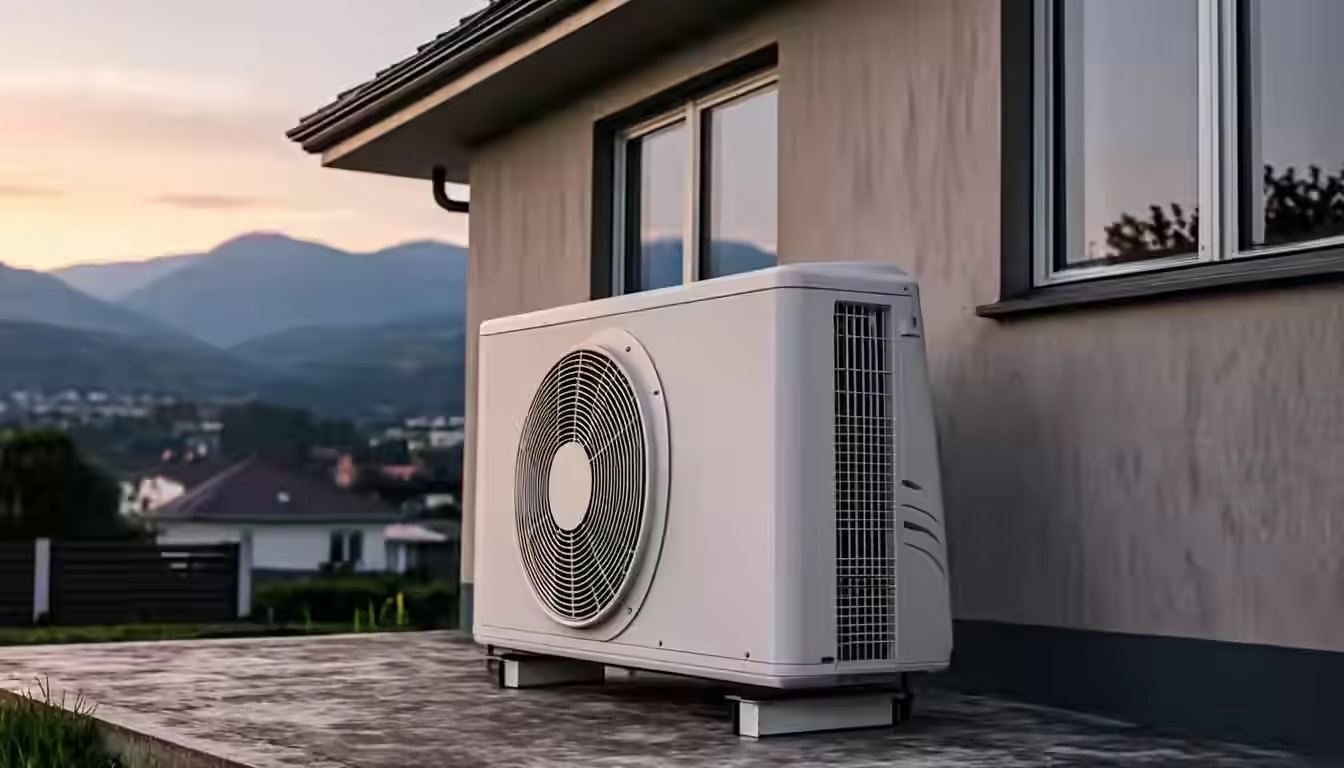
The Honest Answer Up Front
Lennox, Carrier and Trane all build excellent furnaces, all three tier their line-ups in almost exactly the same shape, and the honest comparison is not brand versus brand, it is tier versus your house. Each maker offers a premium variable-capacity tier, Lennox Signature, Carrier Infinity and Trane XV; a two-stage mid tier, Lennox Elite, Carrier Performance and Trane XL; and a budget-friendly single-stage tier, Lennox Merit and Trane XR. The differences that matter live inside those tiers and inside your ductwork, not on the badge.
The price frame is shared too: an 80 percent single-stage furnace installs from $3,800, and a high-efficiency two-stage furnace runs $5,500 to $9,000 installed, with premium equipment from all three brands typically quoting toward the upper half of those ranges. Repairs run $180 to $650, the annual tune-up is $129, and the $89 diagnostic is credited toward any repair you approve. When two of the three brands land in your home at the same tier, the decision usually comes down to comfort details, parts logistics and which control ecosystem you enjoy living with, and Chapter 9 turns that into a five-question test.
One disclosure that should be standard in every brand comparison: we are an independent, licensed installer and warranty-compliant repairer of all three brands, trained by each, factory-authorized by none. No dealer quota decides what lands in your mechanical room, and when a different brand fits a home better, we say so. That independence is why this comparison is worth reading.
Homeowners ask us "which brand is best" and the honest answer is that BC is full of fifteen-year-old furnaces from all three brands running perfectly, and full of five-year-old furnaces from all three brands failing early. The variable between those outcomes is almost never the badge. It is the installation and the maintenance.
0 jobs since 2010
Installs, repairs and tune-ups across all six brands we service, including the big three compared here.
0 one ladder
Signature, Elite, Merit; Infinity, Performance; XV, XL, XR: three names per rung, one honest tier ladder.
0 tune-up, any badge
Combustion analysis, exchanger inspection, static pressure, blower cleaning: brand-agnostic maintenance.
0 star rated
From 26 verified Google reviews, earned across every brand we install and repair.
The Three Brands, One Paragraph Each
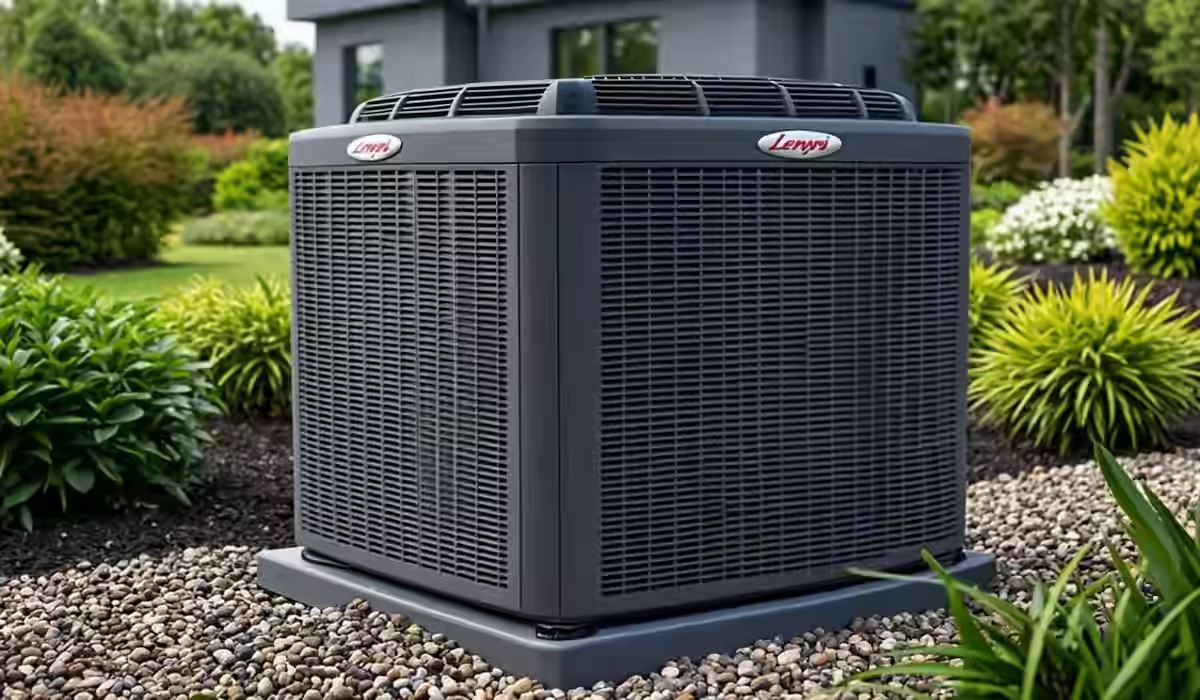
Lennox has been a fixture in BC basements for decades, and its Signature, Elite and Merit tiers still map neatly onto Metro Vancouver housing. Lennox holds a special place in our Surrey workload, where thousands of 1980s-2000s subdivision homes are living through their first full furnace replacement cycle and the original Lennox units among them are now 20 to 40 years old. Signature equipment modulates heat in fine increments and runs near-silent through our long mild heating season; Elite is the two-stage workhorse; Merit serves suites and budgets. The brand's iComfort-family controls store readable fault history, and one practical note: Lennox has historically distributed parts through its own dealer network, which makes a supplier who knows the licensed wholesale channels worth having. Our Lennox installation and repair page carries the full line-up.
Carrier is one of the most-installed HVAC brands in British Columbia, and the reason is straightforward: the Infinity and Performance lines cover everything from variable-capacity gas furnaces to cold-climate heat pumps, all coordinated through a communicating control ecosystem homeowners actually enjoy using. Infinity is modulating territory, the quietest blowers Carrier builds with long low cycles that match our mild, wet winters; Performance is the two-stage mid tier for straight swaps that reuse sound ductwork. On the repair side, communicating Infinity systems store fault history on the wall control and the furnace board, which makes diagnosis faster, and the concentration of intelligence in one board is also the system's main single point of failure. The Carrier installation and repair page has the tier map.
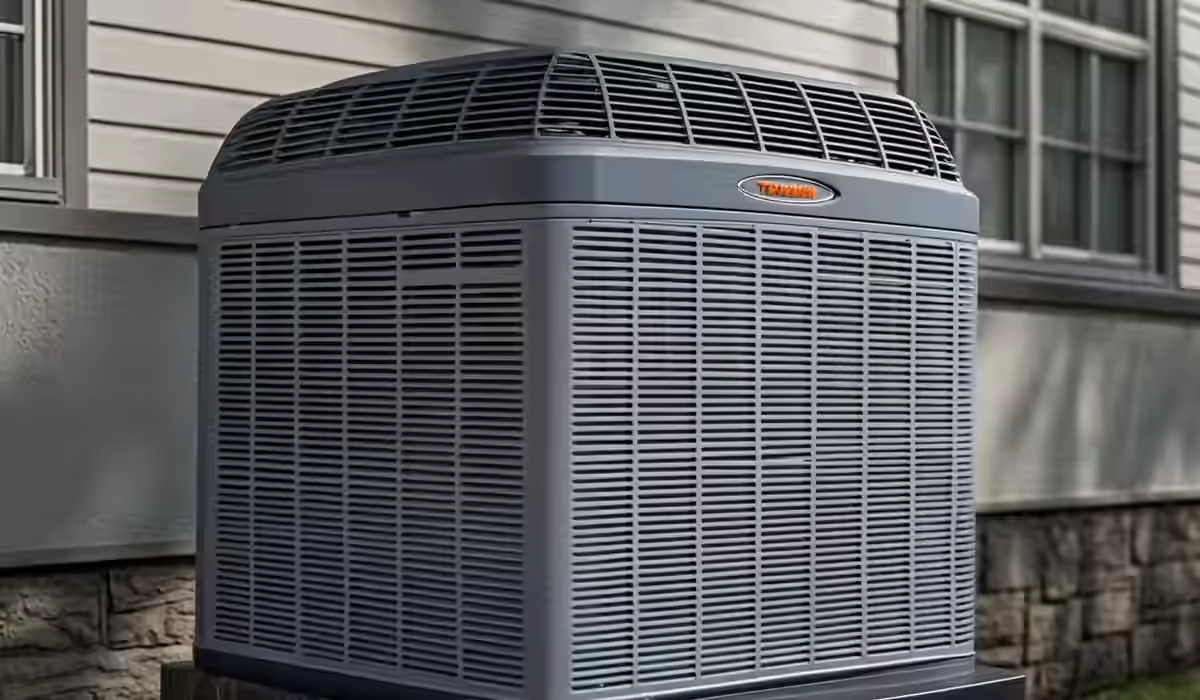
Trane builds its Metro Vancouver reputation on two things: heavy-duty construction, with the all-aluminum Spine Fin outdoor coil as its signature, and TruComfort variable-speed technology that ramps capacity in tiny increments instead of slamming on and off. XV is the variable-speed premium tier, XL the two-stage mid tier, XR the budget-friendly single-stage tier, and the brand shows up disproportionately in Fraser Valley dual-fuel pairings, where colder outflow winters reward a heat pump that hands off cleanly to a gas furnace. One coastal note from our own repair log: corroded wiring connectors in damp air are a recurring accomplice in Trane control failures. The Trane installation and repair page details the line-up.
The Tier Ladder, Side by Side
Every brand in this comparison sells the same three-rung ladder with different names on the rungs. Once you see the ladder, brand comparisons stop being mysteries and start being matching exercises.
| Tier | Lennox | Carrier | Trane | What the rung buys |
|---|---|---|---|---|
| Premium, variable-capacity | Signature | Infinity | XV | Modulating heat in fine increments, near-silent long cycles, communicating controls, the quietest blowers each maker builds |
| Two-stage mid | Elite | Performance | XL | High efficiency and two-stage comfort at a moderate installed cost, matched to existing ducts after a static-pressure check |
| Single-stage value | Merit | Performance-tier single-stage options | XR | Dependable single-stage heat and zoned ductless options at the friendlier budget end, for suites, rentals and laneway homes |
Read the ladder honestly and two things jump out. First, the rungs are more similar across brands than the marketing suggests: a Lennox Elite, a Carrier Performance and a Trane XL furnace are playing the same position with different accents. Second, the rung matters more than the brand: a Merit or XR single-stage furnace in a rental suite and a Signature or XV modulating furnace in a Point Grey character home are different products doing different jobs, and the badge is nearly incidental to both decisions. Price the rung first, then choose the brand by the Chapter 4 and Chapter 5 details.

Comfort Technology Compared
Metro Vancouver winters average 0 to 6 degrees C with roughly 168 rain days a year: a long, gentle heating season punctuated by brief outflow events that dip to -10 or -15 degrees C for a few nights at a time. That is precisely the profile where variable-capacity equipment earns its premium, and all three premium tiers exploit it in the same fundamental way: instead of full-blast on and off cycles, they modulate heat output in fine increments, running long and quiet at low fire through most of the season. Steadier temperatures, better dehumidification, less wear, and fewer of the temperature swings that old ductwork amplifies.
The accents differ. Lennox Signature emphasizes near-silent operation, which matters on noise-sensitive lots and in homes where the mechanical room shares a wall with a bedroom. Carrier Infinity emphasizes the communicating ecosystem, with the wall control coordinating furnace, heat pump and zoning as one system, which is the technology dual-fuel homeowners feel most. Trane XV emphasizes TruComfort ramping, capacity moved in tiny increments with the heavy-duty construction the brand is known for, and it pairs naturally with the Spine Fin coil story on the heat pump side. These are real differences, and they are also the smallest differences in this comparison: they all modulate, they are all quiet, and they all cost toward the upper half of the two-stage installed range.
The two-stage mid tiers capture most of the comfort benefit for most homes: longer, gentler cycles than single-stage and steadier temperatures, at a moderate cost, which is exactly why Elite, Performance and XL equipment anchors so many of our Surrey, Langley and Coquitlam replacements. The honest budget note: single-stage equipment, Merit and XR, is on-and-off heating, and in a region this mild that is a perfectly livable pattern for a suite or a rental where nobody is paying the comfort premium.
One technology note that applies to all three brands equally: the refrigerant transition is underway across every manufacturer, with R-410A systems being phased out through the industry, so any heat pump added alongside or instead of a furnace in the next few years lands in the new refrigerant generation. The equipment decisions are unaffected, but the long-term parts picture favours buying current-generation equipment, and our heating services overview tracks what that means for replacements.
Comparing Quotes From All Three Brands?
We install and repair Lennox, Carrier and Trane with no dealer quota, size by room-by-room load calculation, and quote flat-rate with permits, commissioning and warranty registration included. Call 604-615-2212 or get a free quote.
Built for the Coast: Damp-Air Durability
The climate variable that brand arguments ignore is the one our repair log keeps proving: Metro Vancouver's air is wet, and a furnace here breathes soup for half the year. The consequences are brand-agnostic. Wet, mild combustion air fouls flame sensors faster than a dry Prairie climate would, and the dirty flame sensor is the leading no-heat call on Lennox, Carrier and Trane equipment alike. Pressure switches stick in damp coastal air on all three. Humidity finds its way into wiring connectors on all three, with corroded connectors a recurring accomplice in Trane control failures in particular, and the same story hiding inside every brand's cabinet.
Where the brands do differ on coastal exposure, it is mostly on the cooling side of the mechanical room. Trane's all-aluminum Spine Fin outdoor coil is the brand's signature answer to corrosion-prone coastal environments, and it is a genuine engineering difference rather than a brochure claim. Lennox Signature's quiet operation suits dense neighbourhoods where outdoor equipment sits close to property lines. Carrier's Infinity coordination handles the defrost and changeover behaviour of coastal heat pump duty smoothly. On the furnace side, honestly, the cabinets are all steel, the exchangers are all engineered for decades, and the damp-air maintenance burden is the same $129-a-year reality for every badge.
The practical conclusion from a decade of coastal repair logs: choose the brand by tier, comfort and price, then protect whichever one you choose with the annual tune-up, clean filters and a properly sized condensate path. Installed to code and maintained on schedule, all three run a decade-plus; installed carelessly, any brand fails early. That sentence is the most brand-specific thing in this chapter, and it applies equally to all three.
The Repair Log: What Breaks and Costs
Strip the badges off ten years of call logs and the failure list is nearly identical: flame sensors lead, igniters fail second, control boards fail third, pressure switches stick, and the occasional premium repair, an ECM variable-speed blower motor, arrives to prove that comfort and efficiency share a heart. The prices are shared too, because the work is shared.
| Repair | Honest price | Brand notes from our log |
|---|---|---|
| Diagnostic | $89, credited | Fault history read from iComfort, Infinity controls or Trane boards before guessing begins |
| Flame sensor / igniter | $180 - $350 | The leading call on all three; our wet combustion air fouls sensors fastest |
| General furnace repair | $180 - $650 | By part, system age, controls tier and access |
| Control board | Within the repair range | Communicating systems concentrate risk: one Infinity board coordinating furnace, heat pump and zoning can silence everything at once |
| ECM variable-speed blower | $650 - $1,150 | The premium repair on all three, worth doing on an otherwise sound furnace |
| Thermostat replacement | $220 - $420 installed | Communicating controls live on the wall, and their failures mimic furnace failures |
| Annual tune-up | $129 | Same six documented points regardless of badge, before October every year |
The one genuine brand-level difference in the repair column is parts logistics. Lennox has historically distributed parts through its own dealer network, which slows down repairs for companies outside it; we source through licensed wholesale routes and stock the Lennox-failure parts that actually fail here, which is the honest workaround rather than a reason to avoid the brand. Carrier and Trane parts flow through broad wholesale channels with strong availability. Diagnostics favour the communicating tiers across all three brands, because fault history stored on the wall control or the board turns guessing into reading.
If you already own one of these brands, the practical takeaway is that repair economics do not care which one: a $180 to $650 repair band, a $129 maintenance habit, and a decision point when a single quoted repair approaches a third of replacement cost on a furnace past its mid-teens. The full framework is our furnace repair or replace guide, and brand-specific repair details live on each brand page, including the Surrey furnace repair crews page where most of the region's replacement cycle is happening.
What They Cost Installed
The installed-price conversation for all three brands runs on the same ladder, and the differences between brands at the same tier are smaller than the differences between tiers. Use this table as the frame, then hold every quote to the Chapter 10 standard.
| Equipment | Installed price | Where the big three land |
|---|---|---|
| 80% single-stage furnace | from $3,800 | Merit and XR territory; Carrier serves the same role from its value options |
| High-efficiency two-stage furnace | $5,500 - $9,000 | Elite, Performance and XL anchor the middle of this range for subdivision straight swaps |
| Premium variable-capacity tier | Upper half of the two-stage range | Signature, Infinity and XV quote toward the top, paying for modulation and communicating controls |
| Ductless heat pump, single zone | $3,800 - $5,500 | Baseboard conversions from East Vancouver to Maple Ridge |
| Cold-climate ducted heat pump | $6,500 - $14,000 | Whole-home conversions and dual-fuel pairings, strongest in the Fraser Valley |
| Multi-zone ductless | $9,500 - $16,000 | Room-by-room comfort for homes without ducts |
| Central air conditioner | $3,800 - $6,500 | Adding cooling to heat-only ducted homes, any brand |
Two notes that keep quotes honest. First, the number that matters is installed: equipment, permits, venting and condensate work, gas fitting, commissioning to the manufacturer's startup checklist, and warranty registration, all on one flat-rate page. A quote that itemizes none of those is not a cheaper furnace, it is a smaller invoice with the rest coming later. Second, the heat pump rows carry the 2026 context: combined CleanBC Better Homes, BC Hydro, FortisBC and municipal top-ups can reach $16,000 for cold-climate heat pumps, and we complete the paperwork, which is why the dual-fuel and conversion conversations now start with the rebate math. The CleanBC rebates guide carries the detail.
The Housing Map: Which Brand Fits Which Home
Metro Vancouver's housing stock sorts itself into a handful of patterns, and each pattern points at a tier more clearly than any brand argument. This is the map our quotes are built on.
| The home | Where it is | The tier that fits |
|---|---|---|
| Pre-1940 character homes, generous volumes, aging ductwork | Dunbar, Point Grey, Kerrisdale, New Westminster's Queens Park | Premium variable-capacity: Signature, Infinity or XV, where modulating heat smooths the swings old ducts create |
| 1980s-2000s subdivision family homes | Surrey's Fleetwood, Guildford, Newton, Clayton; Langley's Walnut Grove; Coquitlam's Westwood Plateau | Two-stage mid tier: Elite, Performance or XL, straight swaps that reuse sound ductwork after a static-pressure check |
| Suites, rentals, laneway homes | East Vancouver, Burnaby, New Westminster | Single-stage value tier: Merit or XR, dependable heat and a 10-year parts warranty without features tenants never notice |
| Baseboard-heated houses | East Vancouver to North Delta | Ductless conversions, brand chosen by head placement and budget |
| Colder outflow-winter homes, dual-fuel candidates | Langley, Maple Ridge, Abbotsford | Heat pump plus gas furnace pairings, where a sound furnace under ten years old waits for outflow nights |
| Whole-mechanical-room projects | Renovations region-wide | Any of the three, coordinated with the water heater decision, venting designed as one system |
The row that matters most in this region is the second one. Surrey, Langley and the Tri-Cities are dense with 1980s-2000s homes whose original furnaces, Lennox among the most-installed brands of that era, are now 20 to 40 years old, and that wave is why the two-stage mid tier is the busiest rung on the ladder. The third row matters almost as much: BC's suite stock heats fine on single-stage equipment, and paying premium-tier money for a tenant suite is spending that nobody in the building will ever feel.
And the honest cross-reference: this is a three-brand comparison because these are the three we install most, not the only three worth installing. When a Goodman value tier, a Rheem whole-mechanical-room package or a Daikin ductless system fits a home better than any of these three, we say so, and the repair-or-replace math applies to all six equally.
The Five-Question Decision Test
This is the test we walk homeowners through in the basement, compressed to five questions. Answer them honestly and the brand usually picks itself.
How long are you staying?
Premium tiers pay their comfort and quiet back over decades. Five-year horizon, spend two-stage money and bank the difference; this-forever home, the Signature, Infinity or XV conversation is worth having.
What condition is the ductwork in?
Aging ducts with generous volumes reward modulating heat and gentle long cycles; tight modern ducts make the two-stage tier an easy call. Either way the static-pressure check comes before the brand choice, because ducts pick the blower before the badge does.
How much does noise matter?
Mechanical room against a bedroom, suite below, townhouse neighbours: all three premium tiers are quiet, Lennox Signature leads the silence story, and the answer moves real money on the quote.
Which tier fits the real budget?
From $3,800 for single-stage to the upper half of $5,500 to $9,000 for premium tiers, the ladder is priced in comfort and longevity, and the honest move is buying the rung you can maintain, not the one that photographs well.
Who is installing it?
Room-by-room load calculation instead of square-footage guessing, permits pulled, commissioning to the manufacturer's startup checklist, warranty registered, workmanship warranted two years in writing. That standard is the difference between a decade-plus furnace and an early failure, on every brand in this comparison.
When the test ends in a tie between two brands, break it on the details this guide has ranked: parts logistics for your area, the control ecosystem you would actually use, and which company answered questions like these without flinching.
What Matters More Than the Badge
Every year of our repair log says the same thing: the furnace you get depends on the brand, and the furnace you live with depends on the installation and the maintenance. Here is what protects any of these three brands in a BC home, in order of impact.
| Decision | Why it outweighs the brand |
|---|---|
| Sizing by room-by-room load calculation | An oversized furnace of any brand short-cycles, drafts and dies young; a right-sized one of any brand runs its rated life |
| Commissioning to the startup checklist | The manufacturer's own procedure, gas rates, airflow, static pressure, controls verified, not assumed |
| The $129 annual tune-up | Combustion analysis, exchanger inspection, blower cleaning and control calibration, the maintenance that keeps warranty and efficiency intact |
| Warranty registration and documentation | Registered coverage and a filed maintenance record are what a warranty claim actually runs on |
| Installer credentials | Red Seal certified, licensed under BC-PL-2019-4421, $2M insured, two-year workmanship warranty in writing, flat-rate quotes before work starts |
The one-sentence version of this entire guide: pick the tier that matches your house and horizon, then pick the company that proves its work with instruments, permits and paperwork, and let the badge settle itself. Our crews install and repair all three brands across Vancouver, Surrey, Burnaby, Richmond, Coquitlam, Langley, Delta, New Westminster, North Vancouver, Maple Ridge, Abbotsford and Port Coquitlam, the Metro Vancouver service areas list has the map, and the 24/7 line at 604-615-2212 answers every hour.
Frequently Asked Questions
Services From This Guide
Independent installation, flat-rate repair and documented maintenance for all three brands, across every Metro Vancouver city we serve.
Lennox install and repair
Signature, Elite and Merit equipment installed, repaired and maintained by Lennox-trained independents.
Carrier install and repair
Infinity and Performance systems, fault-history diagnostics and warranty-compliant repairs.
Trane install and repair
XV, XL and XR equipment, Spine Fin coil care and TruComfort diagnostics by Red Seal crews.
All heating services
Every brand we service: $129 tune-ups, $89 diagnostics credited, flat-rate repairs and replacements.
Related Guides
Furnace Repair or Replace
The age thresholds and repair-cost math that decide when any brand's furnace stops earning repairs.
Heat PumpsVancouver Heat Pump Guide
Where a heat pump beats a furnace in this climate, and where the gas furnace still wins the outflow nights.
RebatesCleanBC Rebates 2026
Combined rebates up to $16,000 for cold-climate heat pumps, and how the paperwork actually gets done.

Red Seal certified, licensed under BC-PL-2019-4421, insured for $2M and installing all three of these brands across Metro Vancouver since 2010, with more than 12,000 jobs completed and a 5.0-star rating across 26 Google reviews. We wrote this comparison because brand debates are where homeowners get sold the most expensive thing they did not need: an independent installer with no dealer quota is the only party whose answer to "which brand" can start with "it depends on your house" and end with the truth. To book instead of DIY, see HVAC service in Delta — same-day across the city.
More about our team →Get Your Three-Brand Furnace Quote
Tell us about the home and we will bring the tier logic to you: room-by-room load calculation, flat-rate quotes across the brands that fit, permits, commissioning and warranty registration included. Crews cover Vancouver, Surrey, Burnaby, Richmond, Coquitlam, Langley, Delta, New Westminster, North Vancouver, Maple Ridge, Abbotsford and Port Coquitlam. For a side-by-side comparison, see Trane vs Carrier Furnaces in BC: Real Comparison. If you would rather hand this to a pro, our heating & furnace services pages cover Metro Vancouver.
Furnace gave up mid-comparison?
The 24/7 line answers any hour. Repairs run $180 to $650, the $89 diagnostic is credited to the approved work, and the flat $150 after-hours premium is quoted before the truck rolls, whatever brand is in the basement.
Call 604-615-2212 WhatsApp Us