The Honest Answer Up Front
A multi-zone mini-split is one outdoor heat pump feeding two to five indoor wall heads, each with its own thermostat, so one piece of equipment heats and cools every floor and every important room of a house that has no ducts. In Metro Vancouver it is the default whole-home answer for electrically heated houses, ductless renovations and the thousands of split-levels where a single central thermostat never satisfied anybody. Installed across this region it runs $9,500 to $16,000, and it converts a two-temperature household, hot upstairs, cold downstairs, into a house where each room owns its own climate.
The honest framing has two edges. Done right, a multi-zone system is the most comfortable per dollar in the ductless world: inverter modulation keeps the outdoor unit loafing along at partial capacity most days, the room-level control kills the upstairs-downstairs war, and cold-climate rated equipment carries our winters while qualifying for the largest rebate tiers. Done casually, it is the system most likely to be mis-sized, because the temptation to hang a head in every room meets the reality that the outdoor unit and the refrigerant architecture must be engineered as one system, not ordered as a parts list. Combined CleanBC, BC Hydro, FortisBC and municipal top-ups can reach $16,000 for cold-climate heat pumps in 2026, with us completing the paperwork, and multi-zone fuel-switching homes are squarely in the target zone for that stack.
Our heat pump installation service designs these systems room by room, and our Surrey heat pump crews install more multi-zone systems than any other crew in the company, because Surrey's stock of ductless-era additions, suites and electrically heated split-levels is exactly the housing this architecture serves. This guide is the design conversation we run at the kitchen table: how one outdoor unit serves many rooms, how zones get chosen, what the real costs are, and where these systems shine or disappoint.
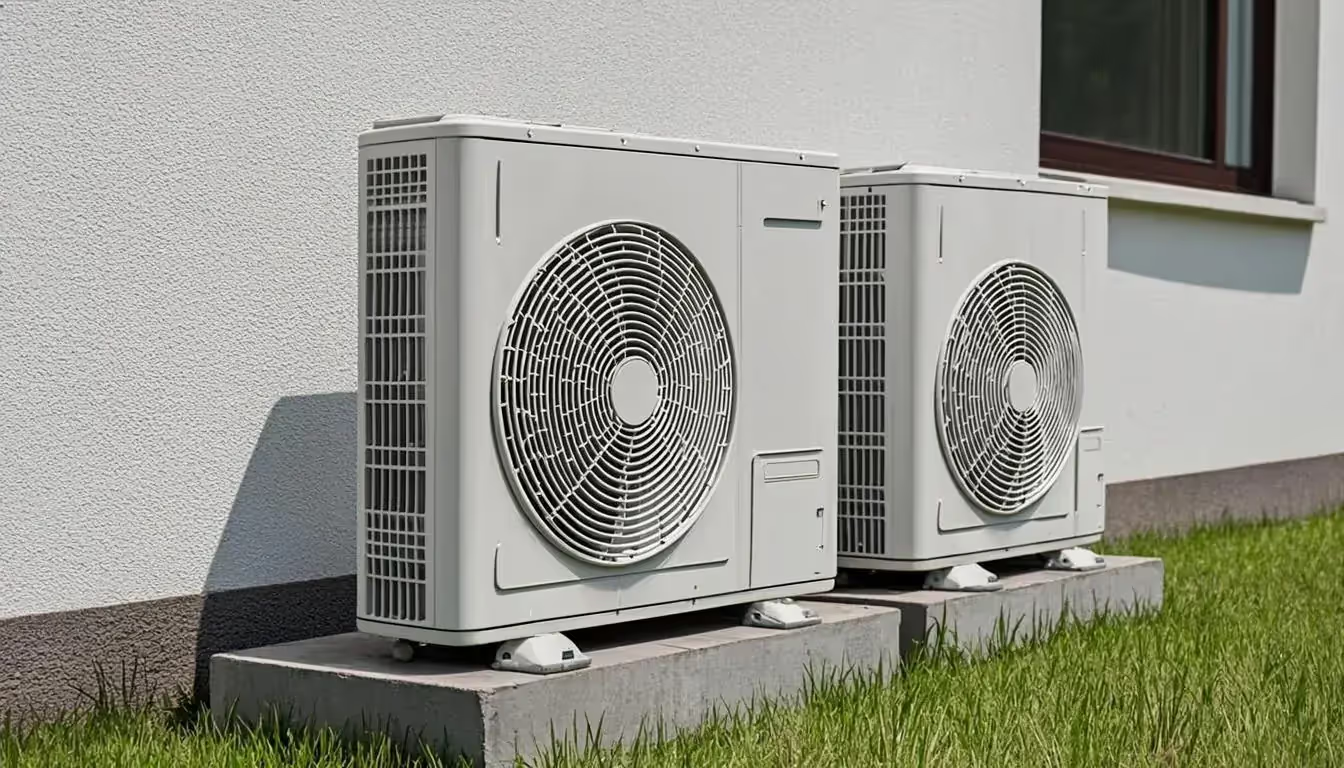
One outdoor unit, five rooms, five thermostats. The multi-zone mini-split is the closest thing residential HVAC has to giving every room in the house a vote.
0 zones typical
Residential multi-port outdoor units serve two to five heads from one refrigerant circuit family.
0 electrical
One dedicated 240-volt circuit for the outdoor unit in most homes, instead of a panel full of baseboard breakers.
0 star rated
26 verified Google reviews, a steady share of them multi-zone conversions on electrically heated homes.
0 per year
Heating through the Metro Vancouver winter, cooling and dehumidifying through the heat-dome summers, one machine.
The Architecture: One Outdoor Unit, Many Heads
The parts count is small. One outdoor unit, the compressor and reversing valve that drive everything. Two to five indoor heads, the slim wall units that blow conditioned air into their rooms. One set of refrigerant lines running from the outdoor unit to a distribution point, either a branch box that distributes refrigerant to each head through its own line pair, or a manifold-style header with the outdoor unit driving multiple ports directly. And one communication and control network that lets each head's thermostat talk to the outdoor unit's inverter brain. Compared with a ducted central system, the refrigerant piping replaces the ductwork, which is why ductless retrofits avoid opening walls and ceilings.
| Component | Role | Where it lives |
|---|---|---|
| Outdoor unit | Compressor, inverter drive, reversing valve, defrost logic | Pad or brackets outside, one 240-volt circuit |
| Indoor heads | Fan and coil per room, local thermostat and mode control | High on the wall of each served room |
| Line sets | Insulated refrigerant pairs feeding each head | Behind the heads, through walls, along the exterior |
| Branch box | Distributes refrigerant from the main lines to each head | Utility wall, closet, or concealed above a ceiling |
| Condensate runs | Drain each head in cooling season | Along the line sets to a drain or pump |
| Controls | Per-head thermostats, optional central app control | Each room, with a phone in your pocket |
The single-zone alternative, one outdoor unit per room, works well for one or two heads and keeps each circuit independent, but past two rooms the multi-zone architecture wins on cost, yard clutter and control integration: one large condensing unit modulates across the whole house instead of several small ones cycling separately. The ductless versus central guide covers that architecture fork in full from the cooling side, and the short version is this: no ducts or a duct-addition problem, multi-zone ductless; workable existing ducts, compare ducted before signing anything.
How One Compressor Serves Five Rooms
The trick is the inverter drive. Instead of running at a single fixed speed, the outdoor compressor ramps continuously across a wide capacity range, from a whisper at light load to full output when three zones call at once in January. When only the bedroom runs overnight, the unit operates at a small fraction of rated capacity, quietly and efficiently, which is why multi-zone systems spend most of their lives loafing rather than cycling. The capacity you buy is not the capacity you pay to run, and that single design fact is behind most of the comfort and most of the bill savings.
Zone diversity does the rest. In a real house, rooms do not peak together: the west bedroom heats with the afternoon sun while the north office wants heat all day, and the living room's need rises exactly when the bedrooms' falls. Installers size the connected heads to the rooms and the outdoor unit to the realistic simultaneous load, and it is normal and correct for the sum of the indoor capacities to exceed the outdoor unit's rating by a modest margin, because the odds of every zone calling at full tilt in the same hour are low. The discipline is in the margins, and a load calculation for the whole house is what keeps the margin honest.
When every zone does call at once, the system does the sensible thing rather than the dramatic one: the compressor maxes out, and the heads share the available capacity, holding temperatures approximately rather than exactly until loads relax. A well-designed system makes that a rare, brief event. A casually designed one makes it a January habit, which is the failure mode Chapter 7 teaches you to spot, because heads that cannot reach setpoint on the coldest afternoon are usually a diversity-math problem, not a broken machine.
Choosing Zones: The Design Conversation
Zone selection is where these systems are won or lost, and the rules are more interesting than one head per room. Heat rises, so a two-storey home wants the upstairs heads sized modestly and placed where they can counter summer heat gain, while downstairs heads carry the winter load. Rooms with high heat gain, west-facing glass, or high loss, north walls, old single-pane windows, earn their own zones because their needs run opposite to the rest of the floor. Interior rooms that share air through open doorways often ride along on a neighbouring head for free. The correct head count is almost always lower than the room count, and an honest designer spends as much time deleting heads from your wish list as adding them.
Per-room sizing follows the same heat-loss arithmetic as any other heat pump work, head capacity matched to the room's calculated loss and gain, with cold-climate rated indoor and outdoor equipment where winter performance matters, which in our region is everywhere. Placement within the room matters nearly as much as sizing: heads want to be high on an exterior wall near the line-set route, blowing along the ceiling or across the room rather than down onto a bed or sofa, and clear of drapes and furniture that short-circuit the air pattern. The airflow physics are quiet tyrants, and the placement rules reward a designer who has actually stood in the room.
Two local habits are worth naming. Bedrooms at 19 or 20 degrees for sleeping, living spaces at 21 or 22, are one of the quiet luxuries of per-zone control, and a system designed around those setpoints runs cheaper than a whole-house compromise. And in suite homes, a laneway or basement suite with its own head set and its own meter logic, the zone boundary doubles as a billing boundary, which is why our Burnaby heat pump installs in suite-heavy neighbourhoods are dominated by two-zone and three-zone layouts that split cleanly along occupancy lines.

What Multi-Zone Systems Cost, Honestly
The installed range for a multi-zone mini-split in Metro Vancouver is $9,500 to $16,000, and the width of that range is not mystery, it is four concrete variables. Head count, each head adds equipment, line set and labour. Line-set routing, long runs, exterior wall crossings and concealed routes add time and copper. The electrical connection, one dedicated 240-volt circuit in most homes, with panel work where capacity is tight. And the equipment tier, cold-climate rated, higher-efficiency units with better modulation cost more and earn more back through winters and rebates.
| Ductless path | Installed range | What it delivers |
|---|---|---|
| Single-zone ductless heat pump | $3,800-$5,500 | One room or suite, the entry point |
| Multi-zone ductless, 2 to 5 heads | $9,500-$16,000 | Whole-home heating and cooling, room-by-room control |
| For comparison: ducted cold-climate | $6,500-$14,000 | Where usable ducts exist, one thermostat zone or zoned ducts |
Against the sticker sits the incentive stack. Combined CleanBC Better Homes, BC Hydro, FortisBC and municipal top-ups can reach $16,000 for cold-climate heat pumps in 2026 — we complete the paperwork. For a household switching from electric baseboards or an aging electric furnace, that stack is at its widest, and the multi-zone path frequently nets out to a fraction of its list price. Financing from 7.99 percent, detailed on our financing page, then lets the operating savings, often half to two thirds off the baseboard heating share, carry the monthly payment. The Vancouver heat pump guide walks the equipment landscape tier by tier for the shoppers among you.
The quote-level honesty rule from our flat-rate book: the written price should name the heads, the line-set routes, the electrical scope, the commissioning measurements and the rebate filing as line items. A multi-zone quote that reads like one number for everything is hiding where the variables live, and the variables are exactly where the surprises come from.
The Electrical Side: Simpler Than It Looks, Checked Always
Multi-zone ductless is electrically kind to a house. The outdoor unit takes one dedicated 240-volt circuit, sized to the unit, and the heads draw their share through the refrigerant-side wiring and communication cable run with the line sets. Compare that with the 8 to 15 kilowatts of baseboard zones a conversion retires, and many panels end up with more spare capacity after the upgrade than before it. That arithmetic makes conversions possible in older Vancouver and New Westminster housing stock that a panel upgrade would otherwise price out.
Panel audit first
Available breaker space and service capacity verified before the equipment list is finalized, not after.
Retired-zone accounting
Baseboard or electric-furnace breakers identified for decommission, freeing capacity the new circuit reuses.
Circuit design
One 240-volt circuit to the outdoor unit, sized to the unit and the run length per code.
Permit and inspection
Electrical work done under permit with the licensed trades, which the rebate paperwork also likes to see.
The permit line is not decoration. Rebate programs and insurers increasingly ask for permitted electrical work on file, and the inspection visit that closes the permit is a free second set of eyes on the connection. Our crews book it as part of the job rather than an optional extra, because the paperwork trail is half the value of doing the conversion properly.
Winter Behaviour: Capacity, Defrost, Backup
Cold-climate rated equipment is the entry fee for a heat-pump-first house in this region, and the multi-zone world adds one consideration: capacity retention has to be read at the whole-system level. The outdoor unit must hold enough output at the valley's coldest realistic hours to carry the zones that will actually be calling, usually bedrooms and living spaces in the evening, which is a smaller simultaneous load than the nameplate sum but not a negligible one. The design question our estimators answer on paper: at -10, with the zones you actually run overnight, does the system hold setpoint? If yes on paper, the winter will confirm it. If marginal, the fix is sizing, not hope.
Defrost is the behaviour that generates calls. In damp cold weather the outdoor coil frosts, and the system periodically reverses briefly to melt it, during which the heads pause their warm output for a few minutes. It is automatic, it is correct, and it is audible if you are standing beside the outdoor unit. Homeowners who know it is coming do not phone us in January, homeowners who do not, phone us relieved. The honest number is that defrost events cost a small fraction of seasonal output here, and the coastal damp that causes them is also why our winters are otherwise so easy for heat pumps.
Backup planning is regional. Coastal multi-zone homes run heat-pump-only with confidence. Fraser Valley homes from Aldergrove east earn a backup conversation, and the options are the same honest set as any heat pump project: a few retained baseboard zones set below the crossover, electric backup integrated where the architecture allows it, or simply a more conservative outdoor-unit selection. Our valley installs get the conservative version by default, because the cheapest backup heat is capacity you already own.
Noise, Heads and Neighbours
The noise story is a quiet one, in both directions. Indoor heads in low-speed heating mode run at library-quiet levels, typically in the low 20s of decibels for modern units, which is the whole point of overnight bedroom zones. Outdoor units hum along in the 50s of decibels at full tilt, quieter at the partial loads where inverter systems spend their lives, and sit far enough from bedroom windows and property lines by design rather than accident. Placement of the outdoor unit is a two-constraint problem, service access and sound, and both constraints are cheap to honour on paper and expensive to fix after concrete is poured.
Metro Vancouver municipalities carry noise bylaws that mostly govern equipment placement relative to property lines and sleeping areas, and strata buildings layer their own rules on top for anything visible from common property. The practical sequence: check the municipal and strata rules before the equipment order, then place the outdoor unit to satisfy both with margin, then sleep fine. We have never had a multi-zone install rejected for noise when the bylaw check happened before the quote, and we have cleaned up a few where somebody else skipped it. Our crews keep the current bylaw notes for the cities we work in, because the rules move more often than the equipment does.
Six Houses, Six Multi-Zone Answers
These six cover most of the multi-zone book in a given month. Find your row, then pressure-test it against the zone-design rules in Chapter 4, because the architecture is standard and the zone plan is always the house's own.
Two-storey Surrey family home, baseboards, no ducts
Three or four heads: two up, one or two down. The war between floors ends, winter bills drop by half or more, cooling arrives for the first time.
Vancouver character house, basement suite plus main floor
Two-zone split along occupancy lines, suite and main, with separate control and clean billing logic for the rental.
1970s split-level, hot top floor, cold bottom floor
Zones placed against the stack effect: modest head up, bigger head down, and the temperature spread flattens within one afternoon.
Renovated rancher with an open-plan addition
Two heads for the open span, sized as one zone with two air paths, plus a third for the far bedroom wing.
Laneway home or garden suite
One outdoor unit, one or two heads, the whole building as a compact cold-climate system with cooling built in.
Condo strata with a heat pump bylaw rewrite in progress
Wait for the ruling or seek written approval first. The physics is easy, the paperwork is the project.
Ownership: Maintenance and Lifespan
Multi-zone ownership is light. The homeowner's list is short: wash the head filters monthly-ish through busy seasons, keep the louvres and sensors unobstructed, keep the outdoor coil clear of leaves, snow drift and hedge growth, and keep condensate paths draining. The professional visit covers refrigerant and electrical verification, coil and blower care, and the defrost and control checks that keep the modulation behaviour honest. Two seasons per year of runtime, heating and cooling, is what the equipment is built for, and 10 to 15 years is the realistic service life in this climate before a planned replacement conversation.
The one multi-zone-specific habit: filters multiply with heads. Five heads means five filters, and the heads in kitchens and pet rooms load fastest. Washing them on a calendar rhythm, the first of the month takes two minutes per head, is the entire difference between a system that ages gracefully and one that strains its blowers for want of a rinse. It remains the highest-return chore in the ductless world, which is a quiet argument for the architecture in the first place.
The Five-Question Decision Path
Work these in order with the household at the table. Most families have their scope settled by question three, and the rest is timing and paperwork.
Are there usable ducts?
If yes, price a ducted cold-climate system alongside the multi-zone quote. Ducts change the math and sometimes win it.
Which rooms genuinely need their own zone?
Heat gain, heat loss, occupancy schedule and suite boundaries decide. Room count does not.
What does the electrical panel say?
One 240-volt circuit, with retired baseboard zones often paying for it in freed capacity.
Valley or coast?
Coastal homes run heat-pump-only with confidence. Valley homes get conservative sizing and a named backup plan.
What does the money say?
Rebate eligibility and financing from 7.99 percent shape the timing, and the paperwork position belongs in the quote, not after it.
Then one visit makes it real: our estimator runs the room-by-room load calculation, walks the line-set routes with you, and leaves a written flat-rate price with the rebate numbers already applied. The $89 diagnostic, credited toward any resulting repair, covers the households whose first question is a struggling existing system rather than a new one.
The One-Page Cheat Sheet
The whole guide compressed for the quote meeting. If a proposal cannot answer these rows, the proposal is a guess wearing a logo.
| Question | The answer |
|---|---|
| What is a multi-zone mini-split? | One outdoor heat pump feeding 2 to 5 heads, each with its own thermostat |
| Installed cost? | $9,500 to $16,000 in Metro Vancouver, driven by head count, routing, electrical and tier |
| Rebates? | Up to $16,000 combined in 2026 on cold-climate systems, paperwork filed by us |
| Can it carry a BC winter? | Yes with cold-climate rated equipment and honest simultaneous-load sizing |
| What if all zones call at once? | The inverter shares capacity across heads, a rare and brief event in a well-designed system |
| Electrical impact? | One 240-volt circuit, and retired baseboard zones often free the panel space |
| How many zones should I buy? | Fewer than rooms: gain, loss and occupancy decide, not arithmetic |
| Maintenance? | Rinse head filters monthly, keep the outdoor coil clear, one professional visit a year |
Frequently Asked Questions
Services From This Guide
Room-by-room load calculations, zone plans that respect your house, and flat-rate multi-zone quotes with the rebate stack applied across Metro Vancouver.
Heat pump installation
Multi-zone and single-zone ductless, cold-climate rated, designed room by room from real load math.
Heat pump Surrey
The busiest multi-zone territory we serve: split-levels, suites and electrically heated family homes.
Cooling and AC service
The summer half of the ductless story, plus central AC where ducts argue for it.
24/7 emergency service
No-heat and no-cool calls answered around the clock, average 45-minute response.
Related Guides
Ductless vs Central: The Surrey Guide
The architecture fork that decides whether your house is a multi-zone ductless candidate at all.
Heat PumpsThe Vancouver Heat Pump Guide
The equipment, cost and process overview behind the units a multi-zone build installs.
RebatesCleanBC Rebates: The 2026 Guide
The incentive stack that reaches $16,000 on cold-climate systems, decoded program by program.

Red Seal certified, licensed gas fitters (BC-PL-2019-4421), $2M insured and 15-plus years in the field, with more than 12,000 jobs completed across Metro Vancouver since 2010 and a 5.0-star rating across 26 Google reviews. We wrote this guide because multi-zone ductless is the system our region adopted fastest and understood least, and because the difference between a five-head house that delights and one that disappoints is a design conversation, not a brand choice. For a side-by-side comparison, see Portable vs Window vs Mini-Split AC in BC. To book instead of DIY, see heat pump repair in Vancouver — same-day across the city.
More about our team →Get Your Multi-Zone Design
Book a free multi-zone estimate with a Red Seal estimator. You get a room-by-room load calculation, a zone plan with the head count your house actually needs, line-set routing walked with you, a written flat-rate price, and the rebate stack applied to the numbers. Zero obligation, same-day quotes on most calls. Related reading: How to Clean a Mini Split (and When Not To). If you would rather hand this to a pro, our heat pump services pages cover Metro Vancouver.
Heating or cooling down right now?
No-heat and no-cool calls are answered 24/7 with live dispatch and flat after-hours pricing posted in advance. Daytime? The $89 diagnostic is usually same-day in Vancouver, Burnaby and Surrey.
Call 604-615-2212 WhatsApp Us