The Honest Answer Up Front
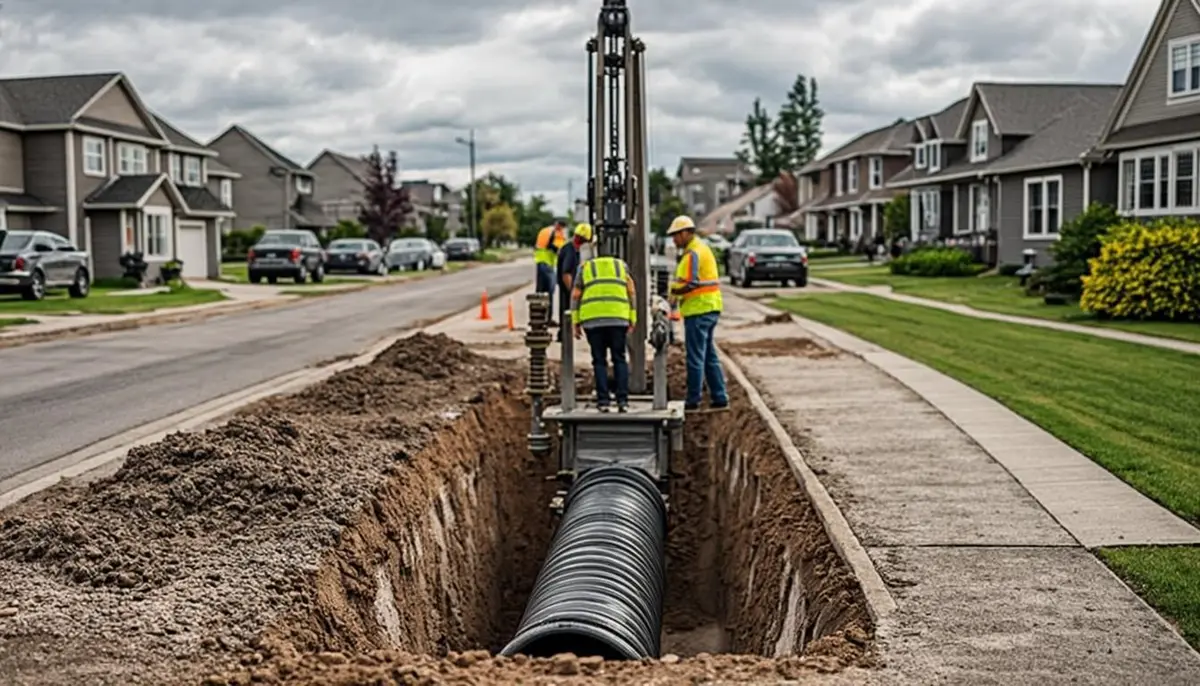
Sewer line work in Vancouver prices across three tiers in 2026: a spot repair, digging one section to fix a belly, break or root ball, runs $3,000 to $6,000; trenchless lining, a cured-in-place pipe pulled through the existing line with two small excavations, runs $6,000 to $12,000; and full open-cut replacement from house to street runs $12,000 to $25,000, with deep lines, mature trees, driveways and city-street portions pushing the top of that band. The camera inspection that decides which tier you are in costs $250 to $400 and is the best money on this page.
What actually sets your number: depth, the line is 4 to 10 feet down depending on your era and street, material, clay tile, concrete or cast iron each fail differently, length, a Vancouver Special runs 20 to 40 feet to the city main while corner lots can double it, and surface, lawn is cheap, driveways and street permits are not. The city-owned portion and the connection at the main have their own permit and traffic-management costs when the dig crosses the curb line, and those are quoted separately from the pipe work itself.
The honest fork: trenchless is brilliant when the line is intact-but-failing, cracked clay with sound shape, root intrusion at joints, infiltration, and it is malpractice when the line has bellied, collapsed or changed grade, because a liner locks the existing geometry in place forever. Any crew selling lining without a camera report showing grade and alignment is selling the most expensive guess in plumbing. Our drain and sewer crews run the camera first on every job, and this page is the pricing we hand across afterward.
Nobody wants to spend fifteen thousand dollars on a pipe they have never seen. That is exactly why the camera report is the first money you should spend and the last you will regret.
30000 to $25k
The full 2026 sewer band in Metro Vancouver, spot repair through full replacement.
2500 to $400
The camera inspection that decides which tier of that band is yours.
1000 yr lifespan
What a properly installed PVC replacement or CIPP liner is rated to deliver.
20 excavations
The entire footprint of a trenchless lining job: access pits, not a trench.
The Three Tiers, Priced and Explained
Sewer pricing is tier pricing, and the tiers are really three different answers to the question of how much pipe is worth saving. This is the ladder with the conditions attached to each rung.
| Method | 2026 range | Best for | Disqualifiers |
|---|---|---|---|
| Spot repair (open dig, one section) | $3,000-$6,000 | One break, belly or root ball with sound pipe either side | Multiple defects; the rest of the line is failing too |
| Trenchless CIPP lining | $6,000-$12,000 | Intact-but-failing line: cracks, roots at joints, infiltration | Bellies, collapses, grade changes, badly offset joints |
| Pipe bursting (trenchless replacement) | $9,000-$15,000 | Line beyond lining but route clear for the bursting head | Sharp bends, utility crossings, collapsed sections |
| Full open-cut replacement | $12,000-$25,000 | Collapses, multiple bellies, undersized or hopeless line | Nothing disqualifies it; it is the floor of last resort |
Read that middle row carefully, because it is where the money and the mistakes concentrate: lining is priced per foot, roughly $80 to $150 installed by diameter, and its economics shine on longer runs where open-cut costs scale with surface restoration. On a short 25-foot line, the trenchless premium can exceed the dig it avoids; on a 60-foot line under a finished driveway, it is the only sane number on the page.
What Sets the Number: Depth, Length, Surface
Three variables do most of the pricing, and each deserves a paragraph because they are what an honest estimator measures before quoting.
Depth
Vancouver-era sewers sit 4 to 6 feet down on average, but grade-driven streets, especially in New Westminster and the North Shore hills, routinely bury lines 8 to 10 feet. Every foot of depth adds shoring, safety and excavation cost, and deep lines are why some quotes seem to carry a second job inside them: they do, and it is called trench safety, and it is legally required.
Length and alignment
The pipe you own runs from your foundation to the city main, typically 20 to 45 feet on standard lots, longer on corner and flag lots. The connection point matters too: lines that cross the property line into the street boulevard trigger city permits, traffic management on busier streets and restoration to municipal standard, all of which price separately from the plumbing itself.
Surface and overhead
Lawn to lawn, an open dig is straightforward. Concrete driveways add saw-cutting and replacement, fences and decks add disassembly, mature street trees add arborist review when roots are why you are digging in the first place, and the tree-versus-pipe conflict on Vancouver side streets is a genuine category of its own. None of this is padding; it is the difference between a quote that contains the job and an invoice that does not.
The Clay Story: Why Vancouver Ground Fails This Way
Most of Metro Vancouver plumbed its first sanitary sewers in clay tile, and clay fails on a schedule set by trees and ground movement rather than by water chemistry. The joints, short bell-and-spigot sections packed with mortar or gasket, are the failure points: roots find a hairline, thrive, wedge the joint open, and twenty years later you have a root ball with a pipe attached. The bellies follow, because the wedged joints settle, and settled joints hold water and paper until the clog is permanent.
The era map matters for budgeting: pre-1960 houses are clay almost everywhere; 1960s-80s moved to concrete and asbestos-cement in places; cast iron served the older infill and larger buildings; and PVC from the 1980s onward is the material every repair method is trying to get you to. If your inspection report says clay with root intrusion at joints and sound grade, you are the trenchless ideal customer. If it says belly at 30 feet with ponding, no liner on earth fixes that, and the seasonal drain guide covers the maintenance chapter of this story.
Trenchless: When It Is Brilliant and When It Is a Scam
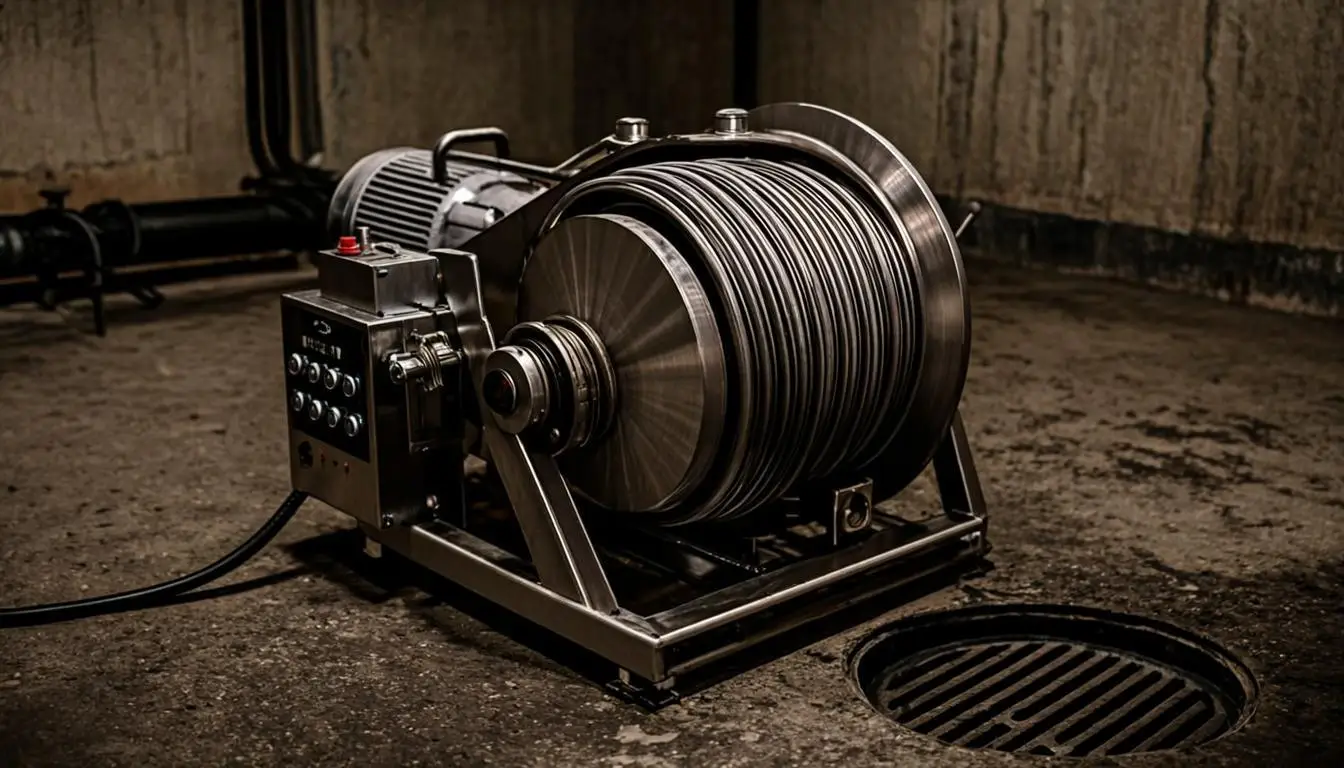
Cured-in-place lining, CIPP, pulls a resin-saturated felt tube through the existing sewer and cures it into a seamless pipe-within-a-pipe, done through two access pits, in a day, with your driveway intact. For the right line, cracked clay with true grade, offset-but-recoverable joints, root intrusion you are tired of fighting, it is one of the best products plumbing has delivered in decades: full-diameter mostly preserved, 50-to-100-year rating, root-proof joints, and a price that beats excavation the moment surface restoration enters the math.
The scam version sells the same product to the wrong lines. A liner over a belly cures the sag into your sewer permanently. A liner over a collapsed section bridges a void that will fail. A liner through offset joints creates lips that catch paper for the rest of the pipe life. Every one of those failures is visible on the camera report beforehand, which is precisely why the camera is mandatory and why a lining quote without one, or with a glossy one-page summary instead of the actual footage, should end the conversation. Grade, alignment and wall condition are the three questions, and the water main repair guide covers the supply-side version of this arithmetic.
Permits, the City Connection and the Paper Trail
Sewer work is the most permitted job in this article. Within your property: a city plumbing permit with inspection of the new line before backfill. Crossing into the street or boulevard: a street-use permit, traffic management where the street warrants it, and restoration to municipal standard, with the city connection itself often requiring the municipality or its contractor at the main. Crews skip this paperwork for speed, not for your benefit, and an unpermitted sewer repair surfaces at sale, at insurance, and at the next failure, as an expensive question.
- Permit and inspection: $200 to $600 within the property, included in honest quotes.
- Street-use and restoration: $1,500 to $5,000 where the dig crosses the curb line, quoted separately and often city-billed.
- As-built and camera documentation: the report you keep for the next owner, worth insisting on at every stage.
- Tree protection where street trees are involved: arborist review can add cost, and skipping it can add fines.
The paperwork is also the asset: a permitted, camera-documented sewer replacement is one of the strongest documents a Metro Vancouver house can carry into a sale, in an era where buyers are learning to ask for sewer scopes the way they ask for roof inspections.
Insurance, Real Estate and Timing
The money context nobody puts on the flyer: an unrepaired sewer failure is the failure mode insurers handle worst, because gradual infiltration and repeated backups read as maintenance neglect rather than sudden damage. A documented repair, camera report and permit in hand, closes that exposure. On the sale side, sewer scoping has become standard practice on pre-1970 houses in this region, and a clean scope or a documented replacement is now a negotiation asset worth real dollars, frequently thousands, against a competing listing with an unknown line.
Timing, honestly: book sewer work for the May-to-October window when you can, because winter digs in this climate mean mud, dewatering where the ground water sits high, and slower everything. Emergency work happens when it happens, and a collapsed line in January is a dig in January, but the planned tier of this market, the camera shows a failing line, no emergency yet, is the tier with seasonal pricing power in it.
Choosing the Crew and the Method
The evaluation sequence for a sewer quote, in order: camera footage you actually watch, a written report with depths, grades, materials and defect locations marked; a method recommendation with the disqualifiers acknowledged rather than one-size-fits-all lining; a permit line on the quote; and a warranty in writing, 10 to 25 years is the honest range for both lining and replacement, with the fine print on what voids it. The choosing the contractor guide generalizes this checklist, and the what to look for guide covers the paper side.
One regional note: the lowest sewer quote is almost always the one that excluded the surface restoration or the street permit, because those are the lines a customer cannot see missing. Insist on the complete number, trench to lawn, before comparing anything.
City Notes: The Ground Under Each City
Sewer geography in Metro Vancouver is consistent enough to plan by municipality, and these are the patterns our crews dig against.
- Vancouver: mature street trees over shallow clay, the root-and-joint capital; lining volume highest in the region.
- New Westminster: deep lines on grade-driven streets, oldest stock, shoring-heavy digs priced accordingly.
- Burnaby and Coquitlam: mid-century clay and concrete mixes on hillside grades, bellies from settlement.
- Surrey and Langley: longer lot lines, newer stock in the east, clay heartland in the older neighborhoods.
- Richmond: high water table and flat grade, dewatering on deep digs, backwater valves riding along frequently.
City pages under service areas carry local notes, and our Vancouver plumbing page is the entry point for the city that anchors this guide.
The Sewer Cost Cheat Sheet
The underground questions, answered before anything gets dug.
| Question | The honest answer |
|---|---|
| Spot repair? | $3,000-$6,000, one section, sound pipe either side |
| Trenchless lining? | $6,000-$12,000, intact line with sound grade only |
| Full replacement? | $12,000-$25,000 by depth, length and surface |
| Camera first? | $250-$400, always, and watch the footage yourself |
| Lining red flag? | Any quote that skips the grade question |
| Permits? | $300ish within the lot, $1,500-$5,000 crossing the street |
| Best season? | May-October for planned work, obviously |
| Warranty standard? | 10-25 years in writing, on both methods |
One line to keep: the camera report is the cheapest page in this whole story and the only one that tells the truth. Call 604-615-2212 and the scope comes first, the quote second, the digging only if the footage earns it.
Get Your Sewer Scoped Before Anyone Quotes a Shovel
Camera inspection with footage you watch, a written report with grades and defect locations, and a method recommendation that acknowledges its own disqualifiers. Permits and restoration in the number, warranty in writing.
Frequently Asked Questions
Services From This Guide
Licensed crews, flat-rate quotes and 24/7 emergency response across the twelve Metro Vancouver cities we serve.
Drain and Sewer Vancouver
Camera scopes first, quotes second.
Plumbing
The full trade behind every dig.
Plumber New Westminster
Deep-line and heritage specialists.
Plumber Richmond
High water table and backwater work.
24/7 Emergency Plumbing
Collapses and backups answered fast.
Service Areas
Local notes for all twelve cities.

{esc(a['author'])}
More about our team →Get the Scope Before the Shovel
Camera inspection with footage you watch, a written report with grades and defect locations, and a complete quote from trench to lawn, permits and restoration included. Zero obligation.
Backup into the basement right now?
24/7 response with a flat $150 after-hours premium posted in advance, and the diagnostic credited to any work completed. Rising sewage goes to the absolute front of the queue.
Call 604-615-2212 WhatsApp Us