
The Numbers First
0
root causes cover nearly every frozen AC line we see
0
of continued frozen running that can kill a compressor
0
diagnostic, credited toward any repair you approve
0
top of the flat-rate band for most AC repairs
Is This You?
Ice rarely travels alone. These are the companion symptoms that show up in the same week, and matching your home to the pattern shortens the diagnosis dramatically.
- The larger copper line at the outdoor unit is frosted or wrapped in ice
- Air from the registers has gone weak, warm or intermittent
- The indoor coil or the plenum above the furnace has visible ice or condensation dripping
- The system runs for hours without reaching temperature, especially on milder days
- You hear the outdoor unit running but the indoor blower sounds weak or has stopped
- The filter is more than three months old, or a return grille is blocked by furniture
- The thermostat has been set very low during a mild stretch of weather
- You have recharged or topped up refrigerant in the past two years
The first three items say the coil is already freezing. The middle three point at airflow, which is the most common cause and the cheapest to fix. The last two are the refrigerant and runtime causes, and those change what happens next.
The Thaw-and-Check Sequence
Every technician starts the same way, because nothing can be diagnosed or charged while the coil is a block of ice. Run this sequence in order and do not skip the thaw.
Switch cooling off at the thermostat, fan to On
Set the system to Off but leave the indoor blower running. Moving room air across the coil melts the ice safely in one to three hours, and the fan alone cannot damage anything.
Never chip, scrape or force the thaw
Sharp tools near an aluminum coil and fin pack create leaks that were not there before. Let air and time do the work, and put towels down if the thaw water will overflow the condensate pan.
Check the filter while it thaws
A loaded filter is the number one cause of frozen coils, and it is a five-minute fix. If yours is gray or has been in more than 90 days, replace it before you do anything else.
Walk the return and supply paths
Confirm every register is open and the main return grille is not blocked by a sofa, a rug or a deliberately closed damper. Restricted return air freezes coils just as reliably as a dirty filter.
Check the condensate drain
A clogged drain can ice backwards at the coil on long runs. Make sure the drain line is flowing once the thaw is done, and look for kinked or frozen sections near the exterior exit.
Run one cooling cycle and watch the line
After a full thaw with a fresh filter, set cooling and observe the large copper line after 15 minutes. Cold and sweating is healthy. Frost forming again within the hour means the cause is charge or blower, and it is time to book the diagnostic.
Stop running a system that refreezes
A refreezing system is returning liquid refrigerant to the compressor, which is the most expensive component in the outdoor unit. Shut cooling off and switch to fan until a technician arrives.
Notice the sequence: airflow fixes are free or nearly free, and they resolve the majority of freeze calls. Everything beyond them involves gauges, and gauges belong to a licensed tech.
Safety first. Do not attempt to add refrigerant yourself. Pressurized refrigerant handling is regulated work, and an overcharge causes exactly the icing you are trying to fix. Also treat any electrical inspection of the blower with respect: shut the breaker first. If the outdoor unit hums but the fan will not turn, or you smell burnt electronics near the furnace, leave the power off and call 604-615-2212 for 24/7 dispatch.
When to Call a Pro, and What It Costs
Here is the flat-rate reality once the thaw-and-check sequence rules out the free fixes. These are the Metro Vancouver numbers from our own rate book.
| Situation | Typical cost | Notes |
|---|---|---|
| Diagnostic visit | $89, credited to repair | Includes low-voltage checks, static pressure across the filter and coil, and full freeze-cause diagnosis |
| Typical AC repair | $220 to $420 | Capacitors, contactors, blower motors, condensate fixes, most same visit |
| Refrigerant leak find and repair | quoted after testing | Depends on the leak location and refrigerant type; we pressure-test and quote flat before repair |
| Full AC replacement | $3,800 to $6,500 central | Includes right-sizing, removal and commissioning; financing from 7.99% with approved credit |
| After-hours call | flat $150 premium | Same flat repair rates, premium posted in advance |
The $89 diagnostic converts into the repair, so it is paid once, not twice. Two honesty notes: refrigerant work is the one category we quote after testing, because the fair price depends on the leak location, not a brochure. And a compressor damaged by weeks of frozen running is why this guide pushes the thaw-and-shutoff discipline so hard. The deep dive on charge problems lives in our AC not cooling guide, and the cooling services overview lists everything else the flat book covers.
The Four Causes, Explained
A coil freezes when its surface drops below 0 Celsius while air moves too slowly across it, or when refrigerant pressure is wrong. Only four things create that combination, and knowing them makes the repair conversation honest.
Cause one is restricted airflow: a loaded filter, blocked returns or undersized ductwork. Cause two is low refrigerant charge from a leak, which drops coil temperature below design. Cause three is blower failure, a weak capacitor, a failing motor or a wrong speed tap. Cause four is runtime mismatch: thermostat set very low during mild weather, so the coil runs colder than the air can warm it. Our spring AC maintenance checklist catches the airflow and blower causes before summer starts.
Why low charge freezes instead of cools less
Refrigerant boiling temperature falls with pressure. Undercharged, the coil runs colder than design while the system moves less cooling, so the surface drops below freezing and humidity from our coastal air builds frost fast. That is why a frozen line plus weak cooling points at charge, while frozen line plus full airflow points elsewhere.
Why mild days freeze coils that heat waves do not
On a 35-degree day the air delivers enormous heat to the coil and keeps it above freezing. On a 22-degree day with the thermostat at 17, the coil can run cold enough to frost with the same charge. This is the runtime cause, and it is why we see freeze calls spike in June and September, not August.
What frost on the big line versus the small line means
The two copper lines at the outdoor unit tell different stories. The large suction line carrying cold gas is the one that sweats in normal operation, and frost on it is the classic airflow-or-charge signal. The small liquid line should stay warm and dry, and frost forming there points at a restriction elsewhere, a clogged filter-drier or a metering device problem, which is a different repair conversation entirely. Photograph both lines before the thaw, because that single photo often separates the two diagnoses before a technician arrives.
Preventing the Next Freeze
Three habits prevent most freeze callbacks. Change the filter every 90 days and monthly in wildfire smoke season, keep furniture off return grilles, and avoid thermostat settings more than a few degrees below the outdoor temperature on mild days. Add the $129 annual tune-up, which measures the actual temperature split across the coil and catches slow charge losses years before they become ice. The weak-blower end of the cause list is covered in detail in our AC capacitor guide.
The split measurement that tells the truth
A technician measures supply against return temperature during the tune-up. A narrowing split is the early signature of either airflow loss or charge loss, the two freeze families. It takes minutes and it is the cheapest early-warning system an AC owner can buy.
One watch on the line, once a summer
On the first warm weekend, run cooling for an hour and look at the big copper line at the outdoor unit. Cold and sweating is a healthy system. Any frost means book early, before the July rush and before the compressor pays for the delay.
The filter the freeze story always circles back to
A filter that is two seasons old is present in a striking share of freeze calls, because restriction and coil temperature move together. The 90-day interval from the filter schedule is a ceiling, not a target, and coastal homes with pets, renovation dust or a summer of wildfire smoke should read the filter itself instead of the calendar. Hold it up to a window: light passing through means it lives, and a gray face with no light means the coil behind it is running colder than design, which is step one of every ice story in this guide.
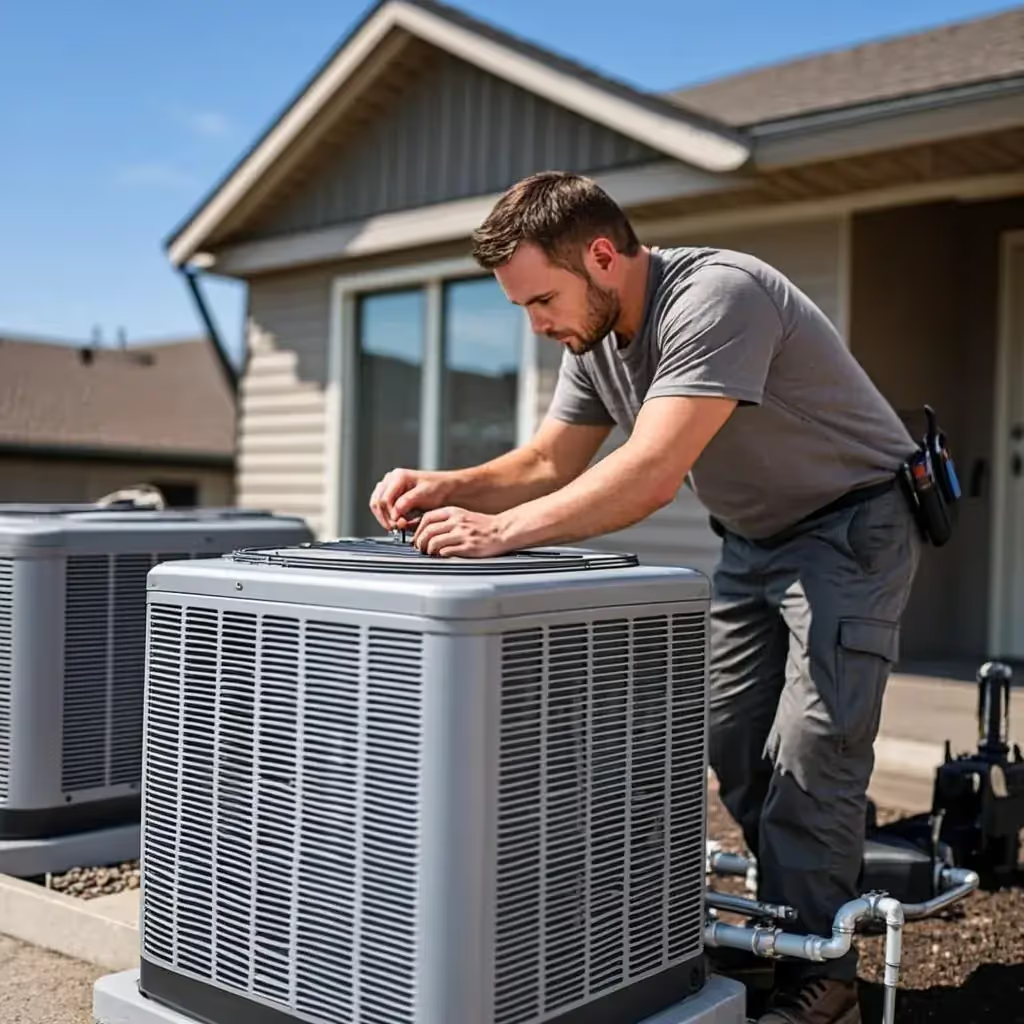
Frost on the Line? Book Before It Becomes a Compressor
Run the thaw-and-check, then book the $89 diagnostic credited toward any repair. Flat-rate quotes in writing, same-day cooling crews across Metro Vancouver, 2-year workmanship warranty.
Frequently Asked Questions
Services From This Guide
Cooling and AC repair
Freeze diagnosis, leak testing, blower and capacitor repairs, flat-rate across Metro Vancouver.
AC repair Vancouver
Same-day cooling response for Vancouver and Burnaby with stocked capacitors and contactors.
AC repair Surrey
Surrey, Langley and Delta cooling crews, same flat-rate book, 24/7 dispatch.
Heat pump service
Heat pumps share the freeze physics; our heat pump crews diagnose both refrigeration sides.
Related Guides
AC Not Cooling: 10 Causes
The full weak-airflow-to-refrigerant diagnosis ladder for Metro Vancouver homes.
PartsAC Capacitors: Failure and Cost
The weak-blower cause of frozen coils, what failure sounds like, and what replacement costs.
SeasonalHeat Dome Preparedness
Getting the system ready before the week everyone calls at once.

Red Seal certified, licensed gas fitters (BC-PL-2019-4421), $2M insured and 15-plus years in the field, with more than 12,000 jobs completed across Metro Vancouver since 2010 and a 5.0-star rating across 26 Google reviews. We wrote this because frozen lines are the most preventable major AC repair we see, and because the thaw-and-shutoff discipline alone saves compressors every June. To book instead of DIY, see AC repair in Vancouver — same-day across the city.
More about our team →Book the Freeze Diagnosis Before It Costs a Compressor
Run the thaw-and-check, then book the $89 diagnostic, credited toward any repair. Flat-rate cooling quotes in writing, same-day crews across Metro Vancouver, 2-year workmanship warranty. If you would rather hand this to a pro, our cooling & AC services pages cover Metro Vancouver.
Coil frozen solid tonight?
Shut cooling off, fan on, towels down, then call. 24/7 dispatch with a flat $150 after-hours premium posted in advance and average 45-minute response across Metro Vancouver.
Call 604-615-2212 WhatsApp Us