The Honest Answer Up Front
Ductless mini splits in BC in 2026 price by zone: $4,200 to $5,800 for a single cold-climate head with install, $6,500 to $9,000 for a dual-zone, and $9,000 to $15,000 for a three-to-four-zone system covering a whole floor plan. Standard-tier heads for cooling-biased use run $500 to $1,000 less per zone, and the premium brands, Mitsubishi, Daikin and Fujitsu, carry $300 to $800 per head over value brands like Goodman and Midea.
What decides whether you are at the bottom or top of a band is rarely the equipment: it is the line-set run, the refrigerant piping between the outdoor unit and each head, and the wall and ceiling work it takes to hide it honestly. A back-to-back install where the outdoor unit sits directly behind the first head is the cheapest possible layout; a three-zone with 60 feet of line, a ceiling cassette and a crawlspace crossing is the expensive one, and the difference is labour and trim, not brand.
The BC-specific notes that matter: cold-climate heads, the Mitsubishi Hyper-Heating and Daikin Aurora lines, are worth their premium anywhere east of Langley and on the North Shore, because standard heads lose capacity below about -5°C; single-zone installs on primary residences can qualify for CleanBC and BC Hydro money when they meet the program rules; and the heat pump desk prices these daily, which is where every number in this guide comes from.
A mini split is the only HVAC category where the brochure and the bill are close together. The variable is not what the head costs, it is how far it lives from the outdoor unit.
42000 to $5.8k
Single cold-climate zone installed, the suite and addition workhorse.
120000 to $15k
The four-zone band, a whole unducted house on one outdoor unit.
400 ft line runs
Where per-zone pricing starts climbing: long runs add labour and trim.
90000 BTU heads
The most common bedroom zone size, and the one most often oversized.
Priced by Zone, Honestly
Every mini split quote is a zone count wearing a dollar sign, so here is the ladder as we actually price it, with the layout factors that move each band.
| System | 2026 installed range | Layout assumptions | Watch for |
|---|---|---|---|
| Single zone, 9-12k BTU | $4,200-$5,800 | Back-to-back or short run, wall head | Oversizing; a 9k head heats most bedrooms |
| Dual zone, one outdoor | $6,500-$9,000 | Two heads, 15-40 ft combined line | Second-storey runs, line covers |
| Triple zone | $9,000-$12,500 | Three heads, mixed runs | Electrical capacity for backup strips |
| Four zone, large outdoor | $12,000-$15,000 | Whole floor plan, one condenser | Zone oversubscription; the outdoor must cover all heads |
| Ceiling cassette per head | +$600-$1,200 | Kitchens and open rooms | Attic or ceiling framing access |
The oversubscription trap deserves its own line: a four-zone system only works when the outdoor unit is sized for simultaneous full load, and value-tier packages sometimes quote a condenser that covers all four heads only if two of them are off. The load math should be in the quote, and the sizing guide explains how to check it.
The Brand Field and What Tiers Buy
The 2026 field, as we install it: Mitsubishi and Daikin at the premium end with the strongest cold-climate engineering and the quietest heads, Fujitsu just behind, LG and Samsung strong in the middle with excellent efficiency numbers, and Goodman and Midea delivering honest value where the budget is the constraint. The premium buys real things: better low-temperature capacity retention, indoor noise ratings in the 19 to 23 decibel range, finer modulation, and longer warranties, typically 12 years on parts from Mitsubishi and Daikin versus 10 in the value tier.
What tiers do not buy: efficiency at rated conditions, where regulation has flattened the differences, and reliability when the install is clean, because a properly vacuumed, correctly charged, honestly run Midea outlives a rushed premium install every time. The the Daikin versus Mitsubishi comparison carries the full breakdown; the one-line version is that the brand is the second most important decision and the install is the first.
Cold-Climate Heads: Where the Premium Pays
A standard mini split head is rated to about -5°C outdoor temperature for full heating capacity, and below that it derates quickly, leaning on whatever backup heat the house has. A cold-climate head holds the majority of its rated capacity at -15°C and keeps producing to -25°C. In Vancouver, Richmond and the coastal band, the standard tier covers roughly 95 percent of winter hours, which is why the value tier dominates those quotes. In Abbotsford, Langley, Maple Ridge and anywhere elevation or the valley bowl adds real cold, the cold-climate premium, $500 to $1,000 per head, is not an upgrade, it is the product working as intended in January.
The defrost behaviour is the second cold-climate difference: standard heads frost and pause more often in our 2 to 6°C rain-snow band, the exact weather Vancouver does best, and the cold-climate lines handle it with smarter algorithms and less drama. If the plan is primary heating with no backup, the cold-climate tier is mandatory regardless of city; if there is a boiler or baseboard carrying the deep cold, the value tier does honest work as a shoulder-season and cooling system, and the regional heat pump primer walks the full decision.
The Install: Line Sets, Covers and the Wall Work
The equipment arrives in boxes. The price lives in the runs. A line set is the insulated copper pair carrying refrigerant between outdoor unit and head, and every metre of it means drilling, routing, securing, protecting from UV, and either hiding behind a wall or covering honestly in painted channel. Back-to-back installs, head and outdoor unit sharing one wall, are the $4,200 jobs. The 40-foot run around a corner, up and over a soffit and across the bedroom ceiling is where the same head becomes $5,500.
- Line-set length matters technically too: beyond the manufacturer maximum, usually 50 to 75 feet, capacity drops and some quotes quietly exceed it.
- Vertical separation has limits, typically 25 to 50 feet of rise; hillside houses need the outdoor unit placed with the spec sheet open.
- Pump-down and vacuum are the two install steps that decide decade reliability: a proper nitrogen pressure test and pull-down are non-negotiable, and both belong on the commissioning sheet.
- Condensate routing is the afterthought that stains ceilings: exterior-wall heads drain by gravity; interior-wall heads need a pump, and the pump needs a serviceable path.
- Wall penetrations get sealed and sleeved, because the same hole that carries the line set is otherwise a rodent highway and a rain entry.
Our Vancouver install page shows the standard we hold on every run, and the install cost guide covers the labour side in depth.
The Use Cases That Dominate Our Bookings
Mini splits earn their keep in five Metro Vancouver situations, and each prices a little differently.
| Use case | Typical layout | 2026 price | Notes |
|---|---|---|---|
| Basement suite or rental | $9k single zone in suite | $4,200-$5,800 | Landlord favourite: tenant controls their own zone |
| Laneway or coach house | 2 zone compact | $7,500-$10,500 | Often the whole HVAC system for the building |
| Radiant house adding cooling | 2-3 zones beside boiler | $8,000-$13,000 | North Shore pattern; heat pump carries spring and fall |
| Hot upstairs addition | Single zone, 12k BTU | $4,500-$6,000 | The converted attic and over-garage special |
| Going electric off gas | Whole-house multi-zone | $12,000-$15,000 | Rebate eligibility matters most in this column |
The suite and laneway rows deserve emphasis because they are where BC differs from the mini split marketing of the US south: here the head is usually the primary heat for a small space, not a cooling luxury, and the cold-climate tier decision follows. The installation cost guide and code guide cover those builds in full.
Rebates: What Qualifies and What Does Not
The rule set in 2026, plainly: CleanBC Better Homes money applies to ductless mini splits that meet the cold-climate qualified-products criteria and serve as the primary heating system for the defined area, with single-zone and multi-zone rules that have tightened over the years; BC Hydro runs companion programs for customers switching from electric baseboards; FortisBC participates for its gas customers on qualifying equipment. The practical ceiling on a multi-zone ductless install is substantial, thousands of dollars, but the eligibility paperwork is where it lives or dies, and pre-approval before signing is the habit that protects it.
What does not qualify: cooling-only installs, single rooms added onto an existing gas-heated whole house in some program configurations, and value-tier standard heads that miss the cold-climate list. Our quotes carry the model codes against the qualified list before you sign, and the CleanBC guide covers the current program shape in detail.
What Ownership Costs After Install
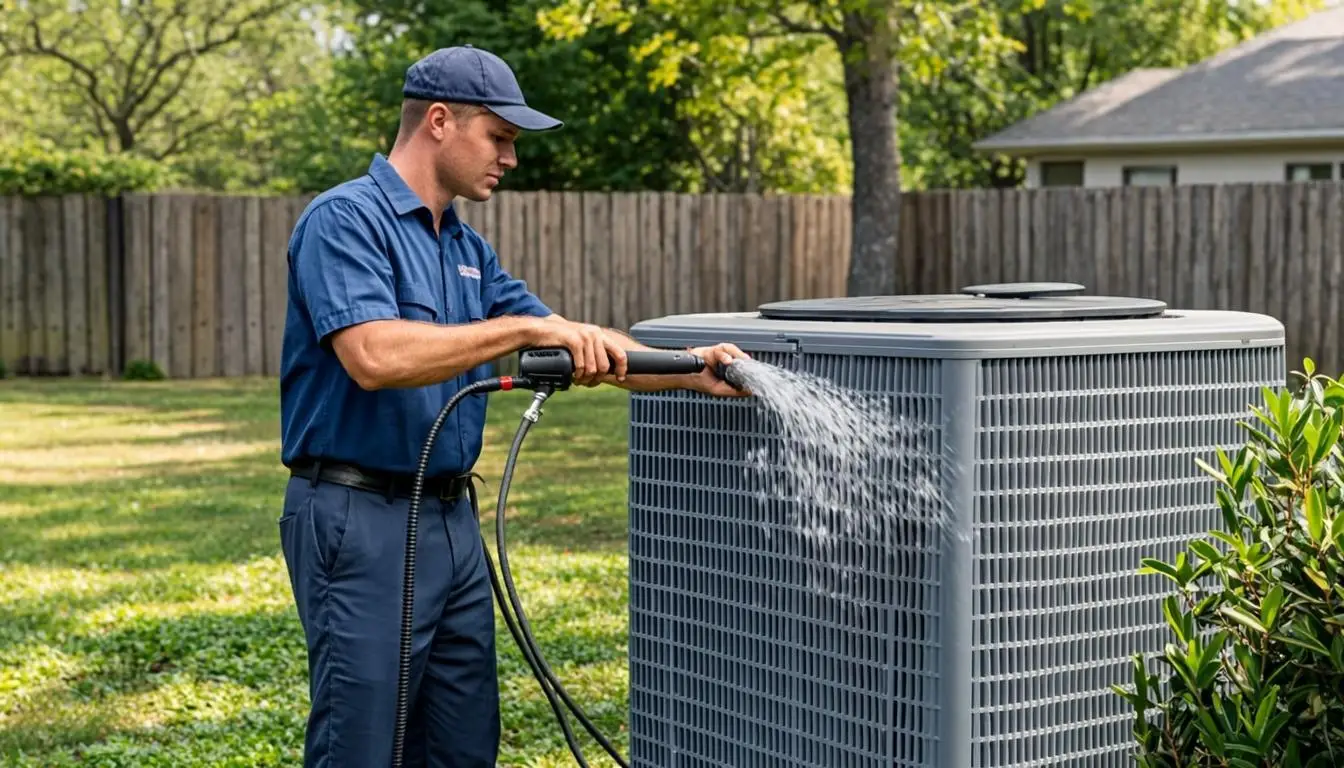
Mini splits are the lowest-masking HVAC category we service, but the maintenance they need is specific: the washable head filters want a rinse every four to six weeks in heating season, the outdoor coil wants a spring wash to shed the winter grime, and the drain pan and pump want a check before the season where the head runs coldest, because a frozen condensate line is the one mini split failure mode that makes noise at 3 a.m. Professional service runs $149 to $250 a visit and can be bundled across multiple heads at the same property.
The filter note matters more than people expect, because mini split heads move a lot of air through a small filter area: a neglected filter shows up first as capacity loss, the room never quite reaching setpoint, and eventually as a iced coil in humid weather. The maintenance checklist covers the whole-home version of that habit, and the service cost guide prices the annual visit honestly.
City Notes From the Ductless Log
Where the heads go follows the housing, and the regional pattern is remarkably consistent.
- Vancouver and Burnaby: suite conversions and Vancouver Special second floors; compact two-zone systems dominate, electrical capacity usually fine.
- North and West Vancouver: radiant houses adding cooling and shoulder heat; premium tiers dominate, and line runs down hillside walls price the trim work.
- Surrey and Langley: 1980s-2000s houses with failing baseboard zones and the laneway boom; highest rebate-eligibility volume in our book.
- Richmond: suite density and flood-zone elevation habits; outdoor units on brackets, never pads at grade.
- Abbotsford and Maple Ridge: the cold-climate heartland, where standard-tier quotes deserve skepticism and the valley bowl earns its reputation.
Every city has a dedicated page under our service areas, and the Langley heat pump page is a good example of the local notes that change the quote.
The Mini Split Cheat Sheet
The zone-count questions, answered before the first head goes up.
| Question | The honest answer |
|---|---|
| Single zone? | $4,200-$5,800 installed, cold-climate tier |
| Whole floor plan? | $9,000-$15,000, three to four heads on one outdoor |
| Premium tier worth it? | Yes for -15°C performance and 19-23 dB quiet |
| Biggest price variable? | Line-set length and trim, not brand |
| Suite install? | $4,200-$5,800 and the tenant gets their own zone |
| Rebate? | Cold-climate primary-heat installs qualify; check the list first |
| Maintenance? | Filter rinse monthly, coil wash yearly, $149-$250 visit |
| Outdoor unit placement? | Elevated, levelled, 12 inches clearance minimum |
One line to keep: buy the run, not just the head, because refrigerant piping is the part you will look at for fifteen years. Call 604-615-2212 for a quote that prices every metre of it.
Get a Mini Split Quote With Every Run Priced
Zone-by-zone layout plan, line-set runs measured and covered in the number, cold-climate tier matched to your microclimate, rebate eligibility checked before you sign. Cash and financed pricing together, zero obligation.
Frequently Asked Questions
Services From This Guide
Licensed crews, flat-rate quotes and 24/7 emergency response across the twelve Metro Vancouver cities we serve.
Heat Pumps
Cold-climate ductless and ducted installs.
Heat Pumps Surrey
Highest ductless volume in our footprint.
AC Installation Vancouver
Ductless and central cooling installs.
Heat Pump Repair Langley
Valley-climate service and diagnostics.
Plumbing
Laneway and suite utility work.
Financing and Rebates
From 7.99 percent with approved credit.

{esc(a['author'])}
More about our team →Get a Ductless Quote With the Runs Measured
Zone layout planned with you, line sets measured and covered in the price, tier matched to your microclimate, rebate eligibility checked against the qualified list. Zero obligation.
No heat tonight?
24/7 response with a flat $150 after-hours premium posted in advance, and the $89 diagnostic credited to any repair. Cold rooms move up the queue.
Call 604-615-2212 WhatsApp Us